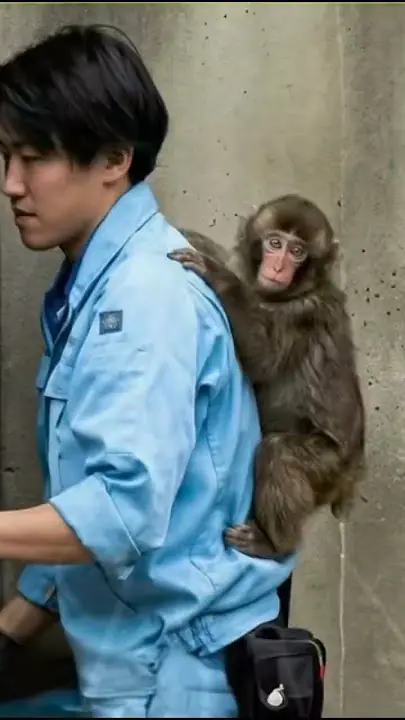
The Dads They Needed Most: A Story of Care, Connection, and Chosen Family
More Than Caretakers: The Quiet Love That Turned Into Family at Ichikawa Zoo
News 23/04/2026 15:02
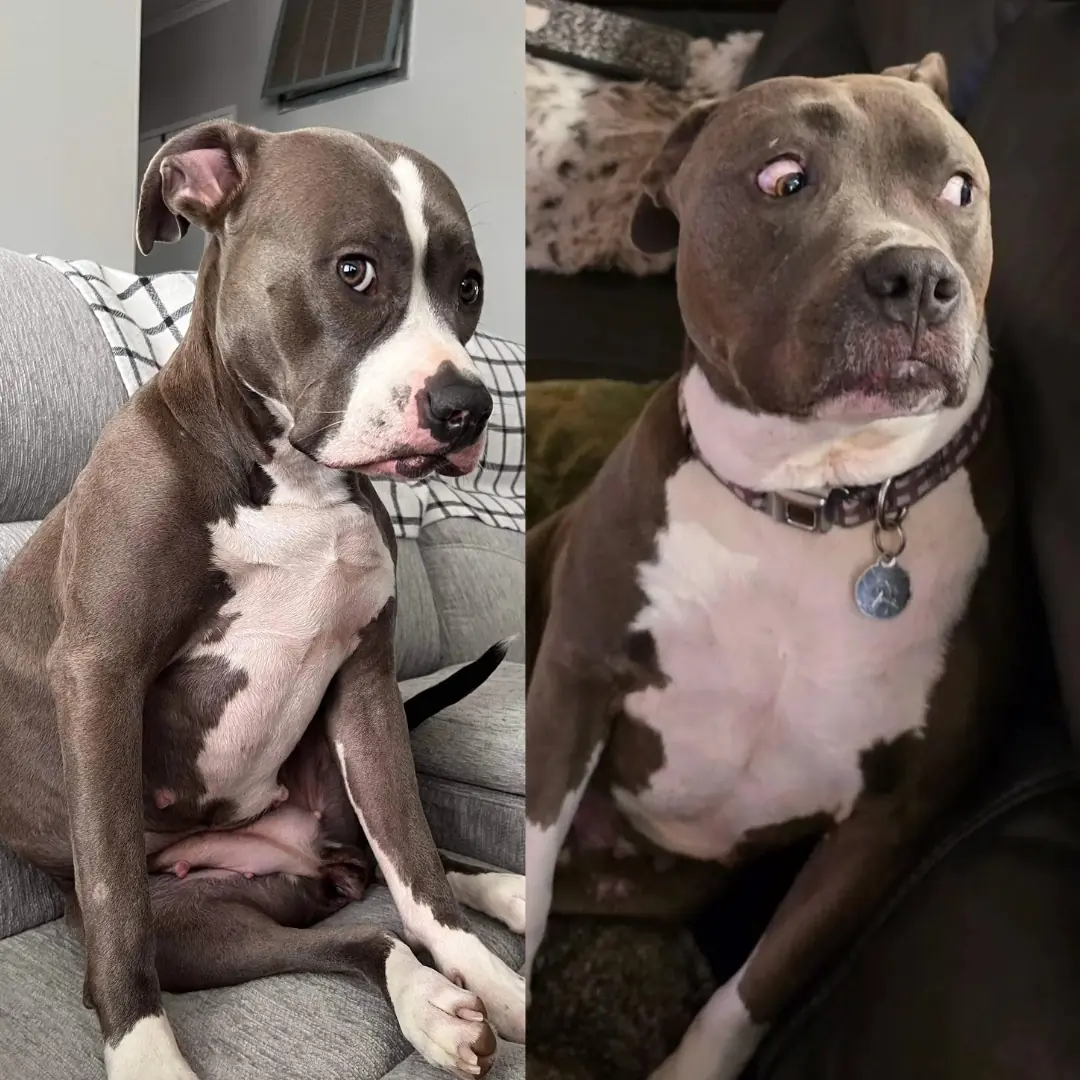
Luna the Staffordshire Bull Terrier: Returned for Loving Too Much 🐶💔
In a world where many dogs are abandoned for behavioral issues, aggression, or neglect, Luna’s story stands out in the most heartbreaking way. Luna, a gentle 5-year-old Staffordshire bull terrier, wasn’t returned to the shelter because she misbehaved. She wasn’t destructive, disobedient, or difficult to manage. Instead, she was brought back for a reason that feels almost impossible to accept—she loved too much.
For Luna, love wasn’t something she gave sparingly. It was her entire world. From the moment she formed a bond with her owner, she devoted herself completely. Her favorite place wasn’t a bed across the room or a cozy corner by herself. It was right beside her human—close enough to feel their warmth, to hear their breathing, to know she wasn’t alone. Every night, without fail, Luna would curl up next to her person, pressing gently against them, seeking comfort in the quiet stillness of shared presence.
To Luna, this closeness wasn’t just a habit—it was safety. It was trust. It was love in its purest form.
But to her owner, it became too much.
And so, one day, Luna was brought back to the shelter she once thought she had left behind forever.
Dogs don’t understand explanations the way humans do. They don’t grasp reasons like “too clingy” or “needs too much affection.” What they understand is presence—and absence.
For Luna, the return to the shelter wasn’t just a change in environment. It was a sudden disappearance of everything familiar. The scent of her home, the rhythm of daily life, the voice she had come to recognize as her safe place—all gone in an instant.
Shelter staff remember the moment she came back. There was no aggression, no panic. Just quiet confusion. Luna walked in calmly, her tail low but not tucked, her eyes searching—not frantically, but hopefully. As if she believed this was temporary. As if she thought her person might come back for her at any moment.
That kind of hope is both beautiful and devastating.
Now, Luna spends her days in a kennel that feels far too small for the amount of love she carries. She curls up in her bed, often resting her head on her paws, watching the world pass by through metal bars. The shelter is filled with noise—barking dogs, footsteps, voices—but Luna remains quiet.
She isn’t the kind of dog who demands attention.
She waits.
Every time someone walks past, Luna gently lifts her head. Her ears perk slightly, and her eyes follow each movement with quiet curiosity. There’s no frantic jumping, no desperate barking. Just a soft, hopeful gaze that seems to ask, “Is it you? Could it be you?”
Sometimes, when a staff member or visitor stops to greet her, Luna slowly rises and walks over. She doesn’t rush. She doesn’t overwhelm. She simply leans in—gently, carefully—pressing her body against them in a silent request for connection.
And in that moment, it becomes clear: Luna hasn’t stopped loving. Not even a little.
To say that Luna was returned for loving too much reveals more about human expectations than it does about her behavior. What some might call “clingy,” others would recognize as loyalty. What was seen as excessive affection could just as easily be understood as deep emotional bonding.
Staffordshire bull terriers are known for their affectionate nature. They are often called “velcro dogs” because of their tendency to stick close to their humans. They thrive on companionship and connection. For them, being near their person isn’t optional—it’s essential.
Luna embodies this trait completely.
Her desire to sleep beside her human wasn’t a problem to be fixed. It was an expression of trust. A sign that she felt safe enough to rest deeply, knowing she wasn’t alone.
In many homes, that kind of love would be cherished.
What’s remarkable about Luna isn’t just her capacity to love—it’s her resilience.
Despite being returned, despite the confusion and loss, Luna hasn’t become withdrawn or fearful. She hasn’t shut down or lashed out. Instead, she remains open. Gentle. Willing to trust again.
That kind of emotional strength is rare.
Many dogs in similar situations develop anxiety or behavioral issues after being returned. They struggle to understand why they were abandoned and may become guarded as a result. But Luna continues to greet each new person with the same calm curiosity, as if she believes—deep down—that someone out there will understand her.
That belief is what keeps her going.
There are small moments throughout the day that reveal who Luna truly is.
When a volunteer sits beside her kennel, Luna slowly approaches and leans her head against their knee. She doesn’t demand pets, but when they come, she closes her eyes slightly, soaking in the contact as if memorizing the feeling.
If someone sits on the floor with her, she may gently climb closer, resting part of her body against theirs—not fully, not forcefully, just enough to feel connected.
It’s in these quiet interactions that Luna’s personality shines brightest.
She isn’t overwhelming. She isn’t demanding.
She just wants to be near.
Shelter staff often say that there’s a perfect home for every dog—it just takes time to find it. For Luna, that perfect home is one where her affection isn’t seen as a burden, but as a gift.
She doesn’t need a large house or endless toys. She doesn’t require constant activity or stimulation. What she needs is simple, yet deeply meaningful: someone who understands that love, in its purest form, often looks like closeness.
The right person for Luna will see her desire to be near not as something to correct, but as something to embrace. They’ll welcome her presence at their side, on the couch, maybe even in bed. They’ll understand that for Luna, being close isn’t about dependency—it’s about connection.
And in return, they’ll receive a level of loyalty and affection that can’t be taught or trained.
For Luna, “home” is not defined by walls or furniture.
Home is a feeling.
It’s the warmth of a body beside hers.
The steady rhythm of breathing in the quiet of the night.
The reassurance that she is not alone.
Once, that feeling came from a Mama-like presence—something safe to cling to. Over time, it transformed into trust for a human. And now, even after loss, that instinct remains.
She is still searching for it.
Still believing in it.
Luna’s story resonates because it challenges the way we think about animals and their emotional lives. It reminds us that dogs are not just companions—they are beings capable of deep attachment, loyalty, and love.
When a dog like Luna is returned for being “too affectionate,” it raises an important question: are we always prepared for the kind of love animals offer?
Because sometimes, it’s bigger than we expect.
Sometimes, it asks more of us—not in effort, but in presence. In patience. In willingness to accept closeness without pushing it away.
Luna doesn’t need to change who she is.
She just needs someone who understands her.
As the days pass, Luna continues her quiet routine. Watching. Waiting. Hoping.
She doesn’t know how much time will pass before someone stops, looks into her eyes, and sees what shelter staff already know—that beneath her calm exterior is a heart full of unwavering love.
And when that person comes, everything will change.
Because for Luna, love was never the problem.
It was always the answer.
🐾💛
More Than Caretakers: The Quiet Love That Turned Into Family at Ichikawa Zoo
From Storms to Smiles: Understanding the Emotional Seasons We All Go Through
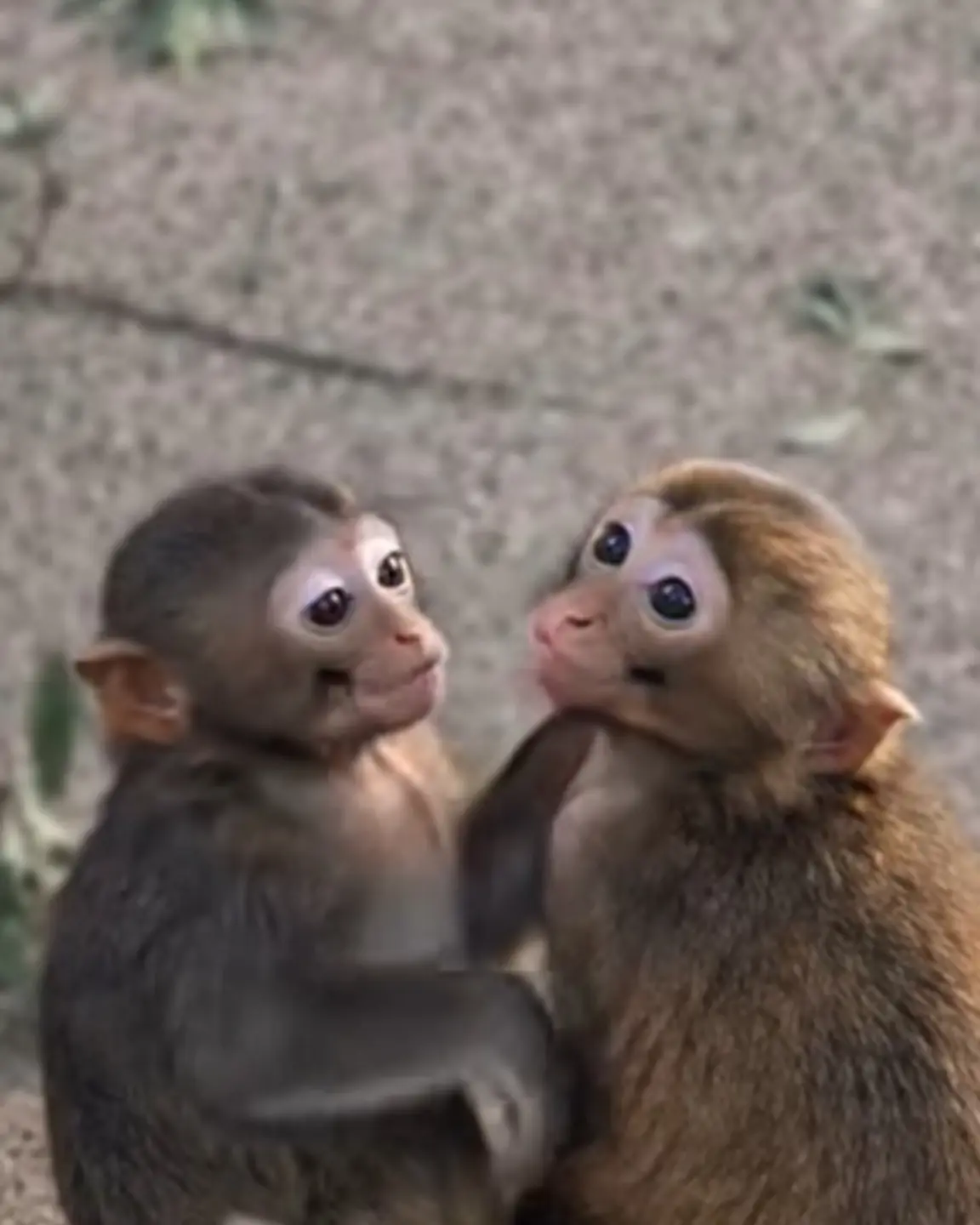
When Safety Becomes Home: The Meaning of Truly Belonging 🌿
How Trust Is Built Slowly—and Why It Lasts So Deeply
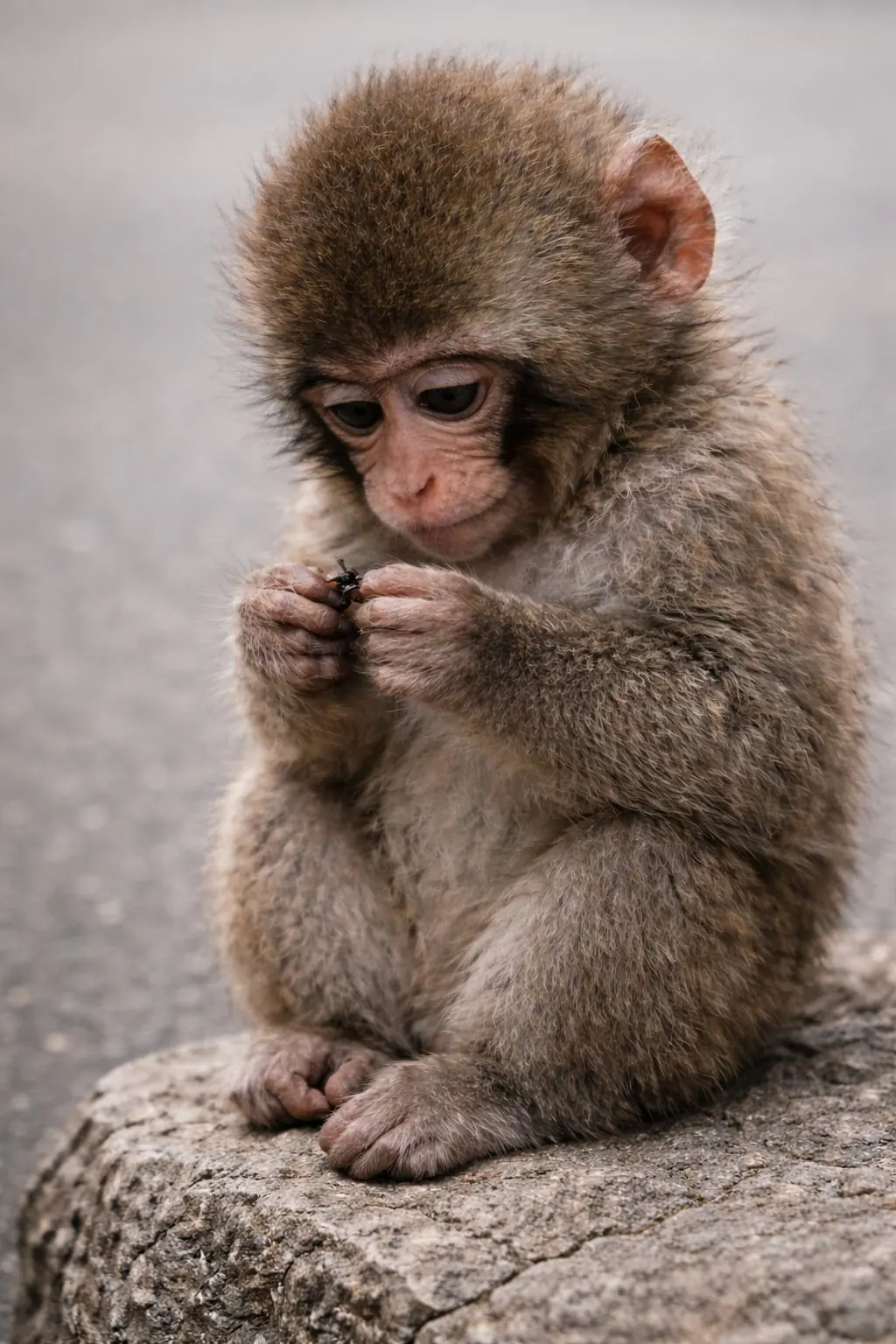
The Power of Stillness: What Punchy Teaches Without Words
A Small Act of Care Before a Sweet Moment with Momo-chan
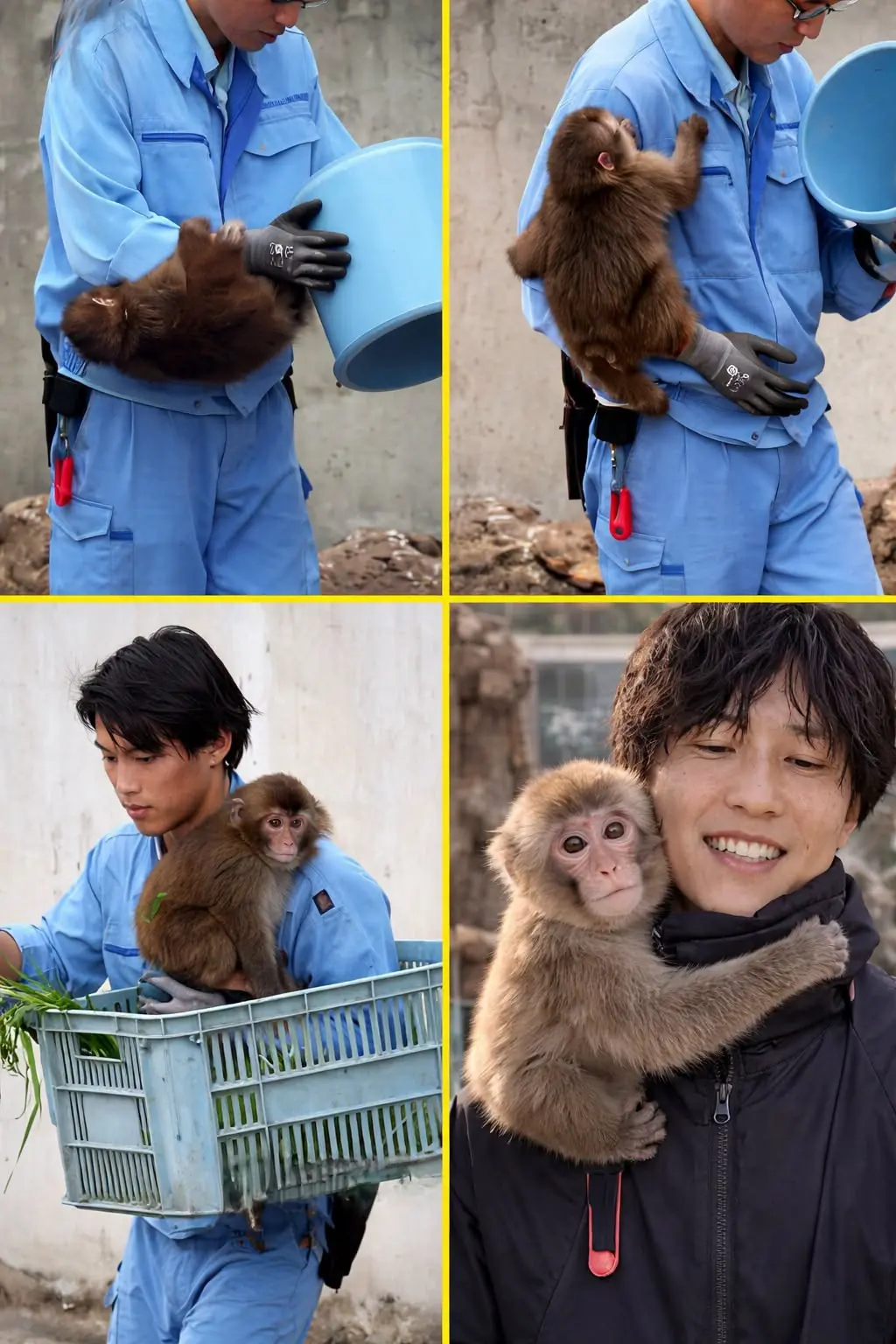
Even When Everything Was Shaking, Punchy Never Let Go
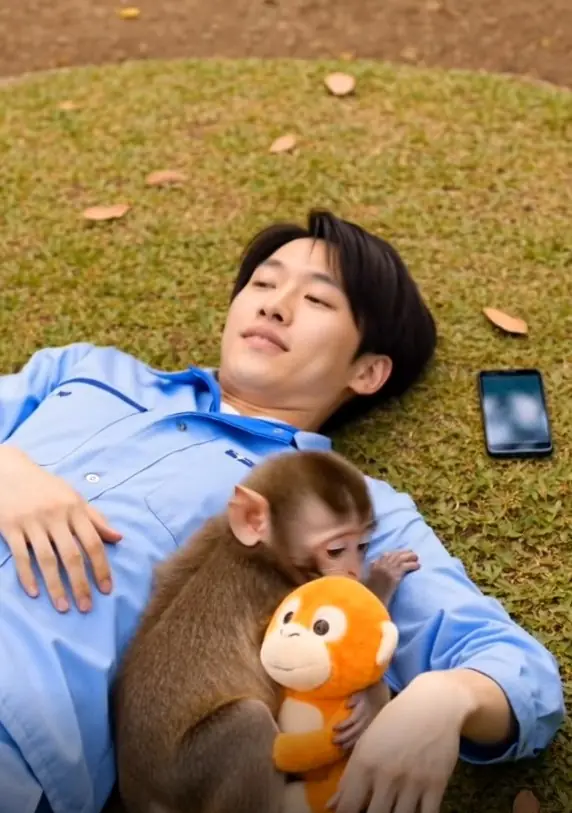
Sometimes We Don’t Notice the Signs Until They Become Loud
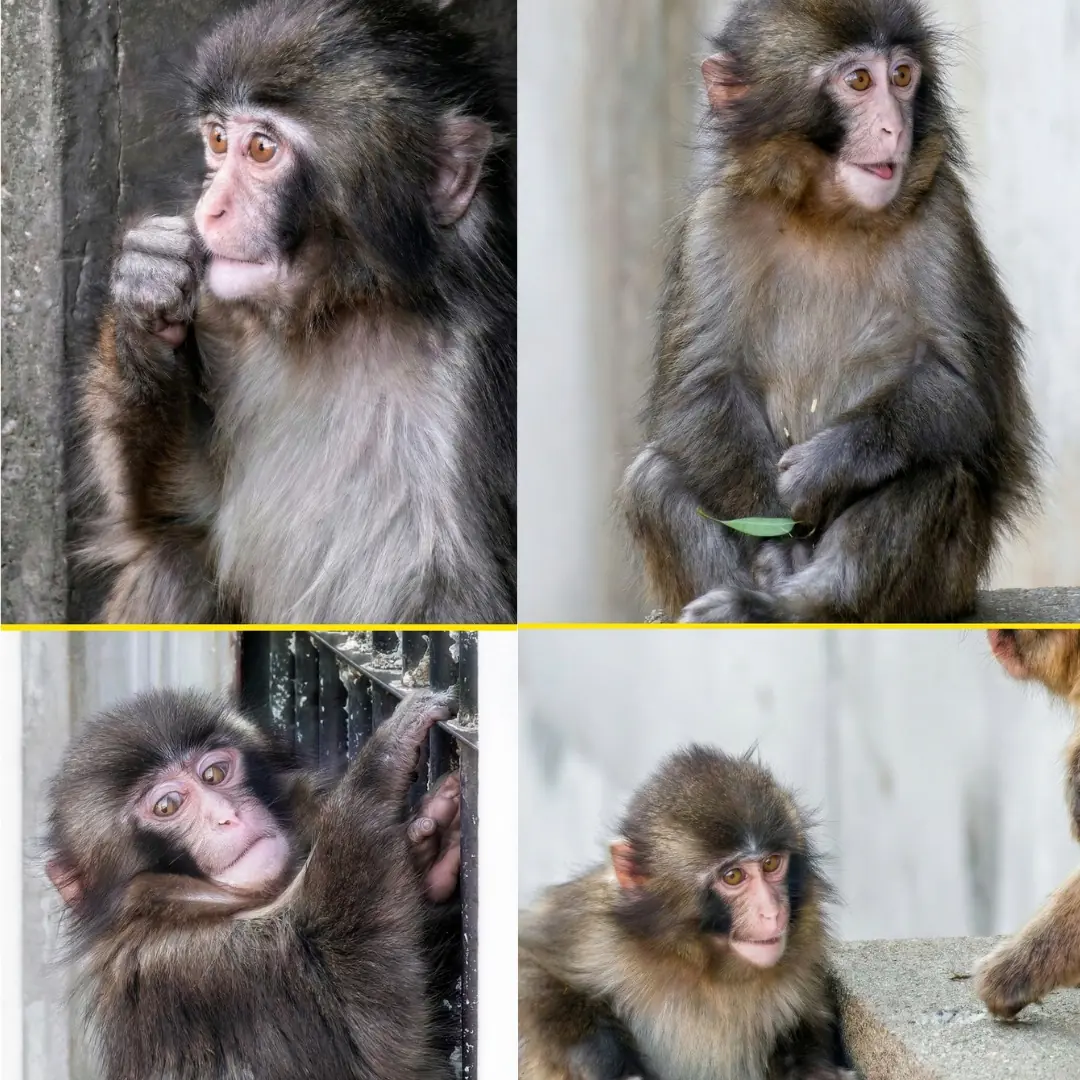
Little Punchy’s Transformation: From Hiding in Fear to Exploring with Confidence
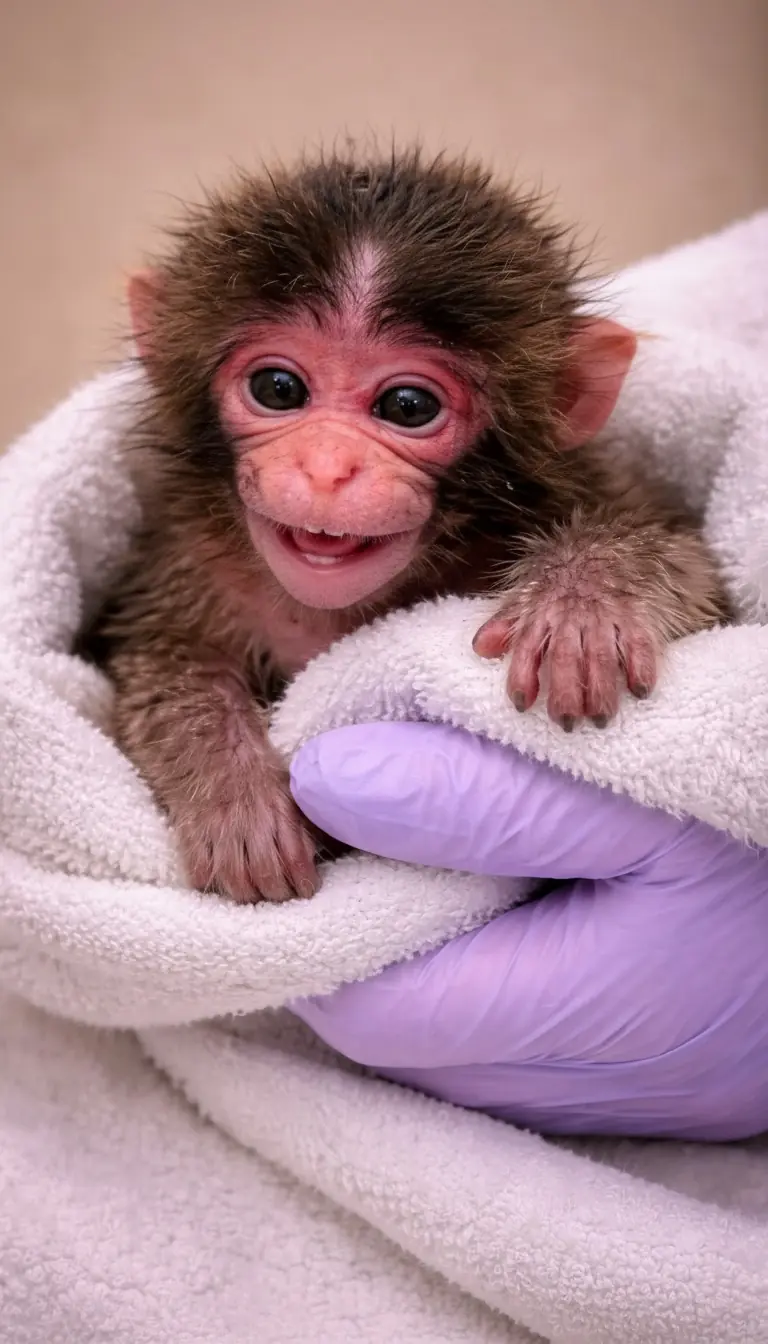
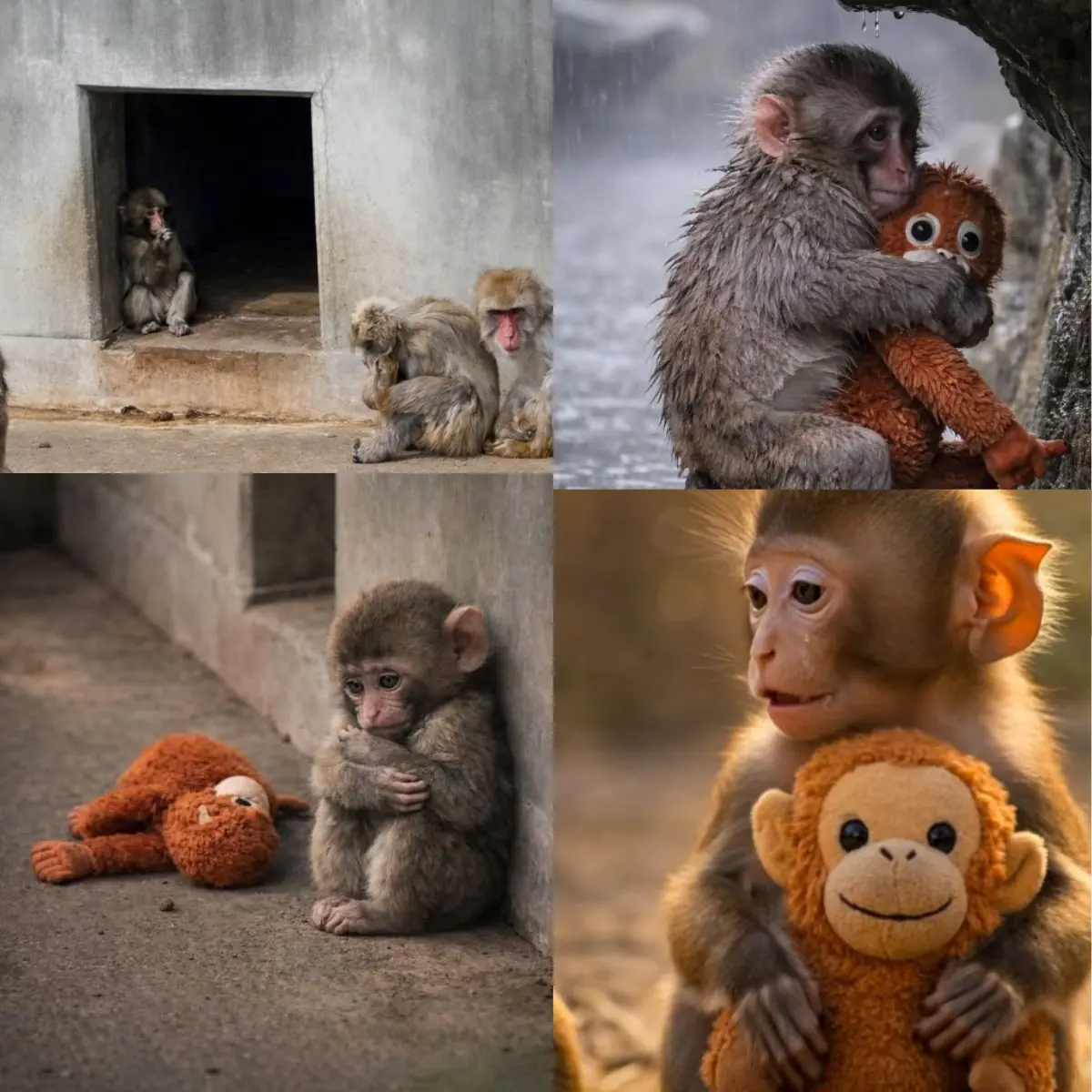
Punch – The Baby Monkey Who Found Comfort in a Toy
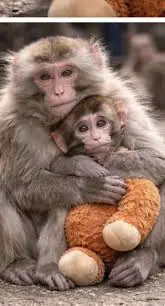
What Do You Really See When You Look Into Punchy’s Eyes?
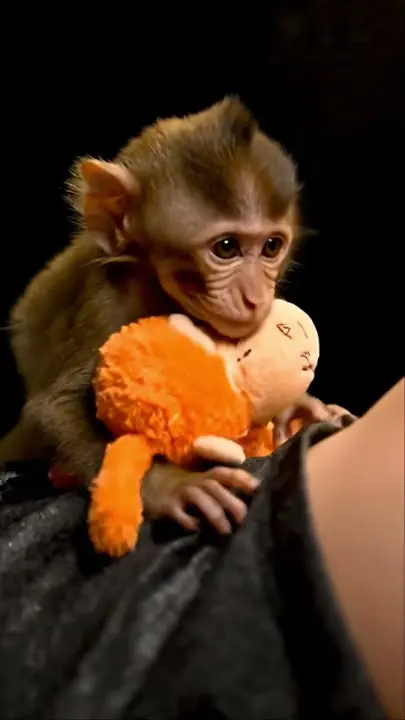
A Monkey, a Toy, and a Question About Emotion: What Is Punchy Really Feeling?
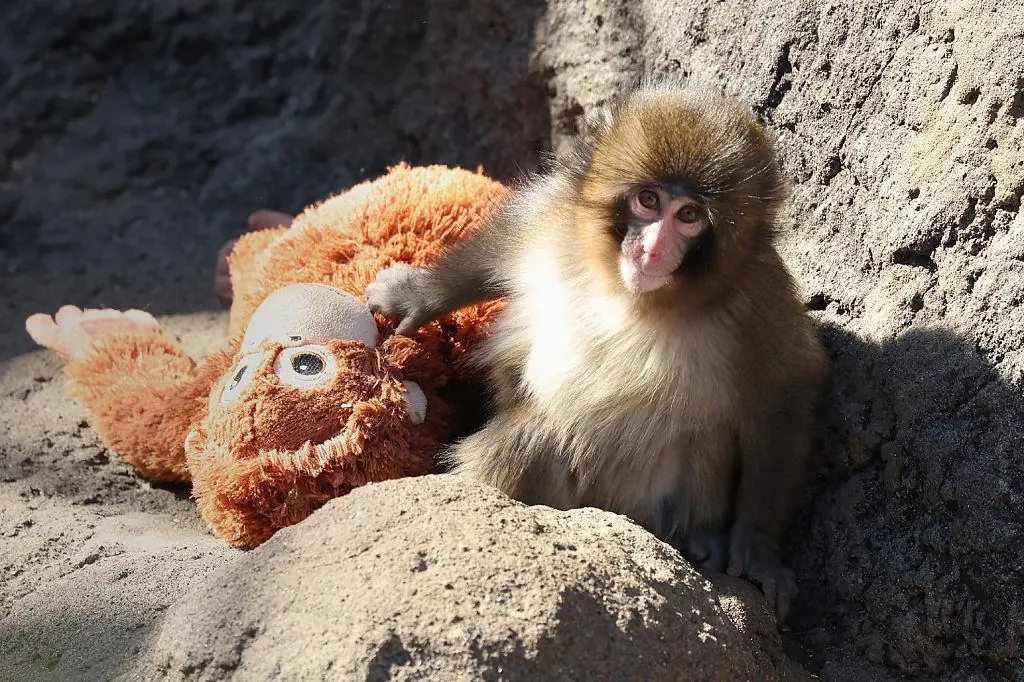
The Lonely Monkey Who Treated a Toy Like Family—Punch’s Emotional Story
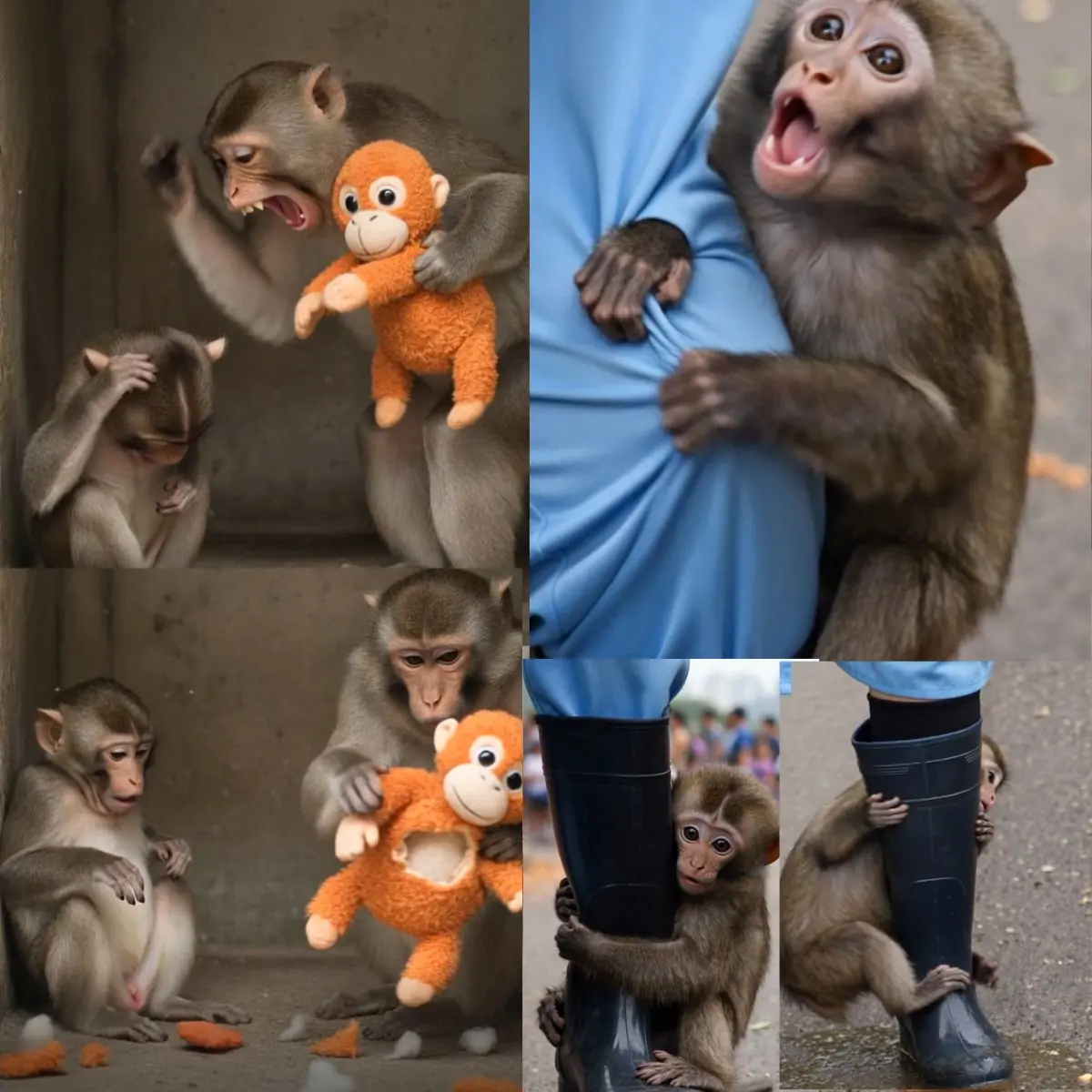
The Untold Truth: How Bullying Affects a Monkey
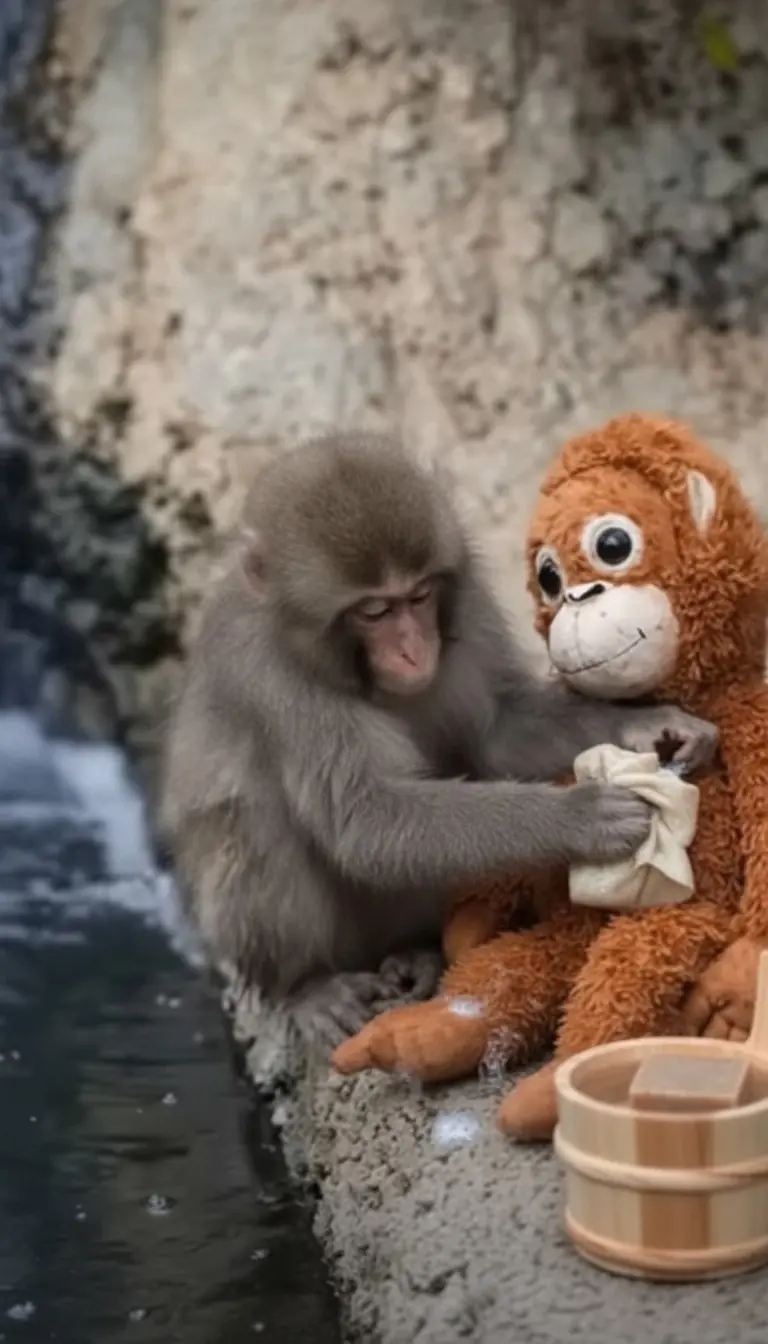
You Eat Onions Every Day—But Do You Know What They Do?
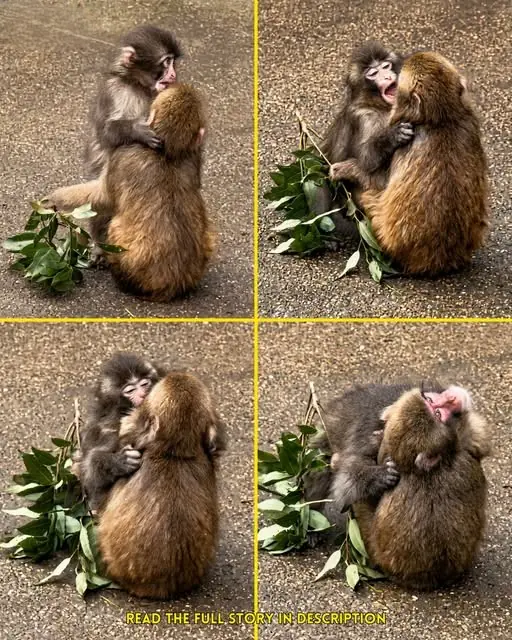
When Chaos Becomes Connection: Punchy’s Story
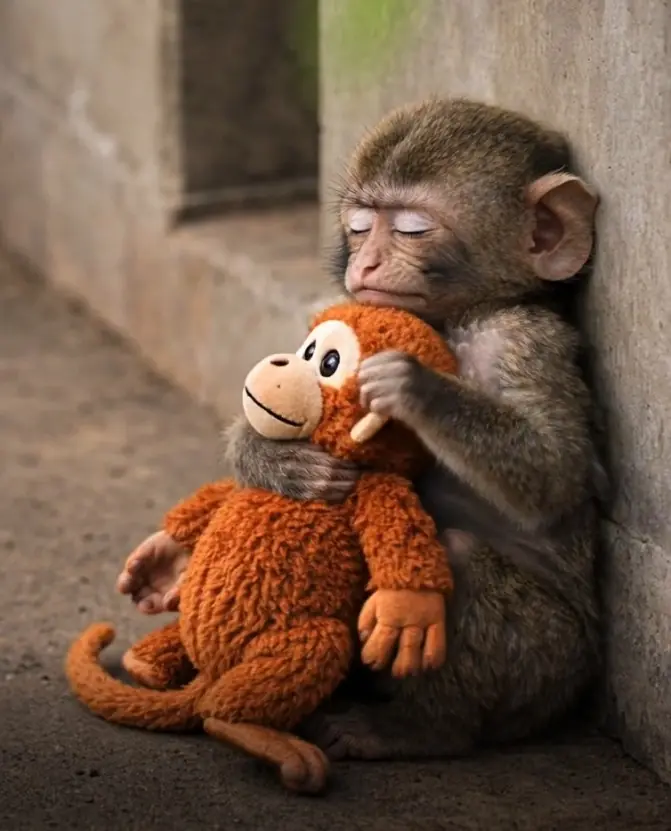
When a Monkey Gets Sick: Signs to Watch and How Experts Care for a Macaque Like Punch
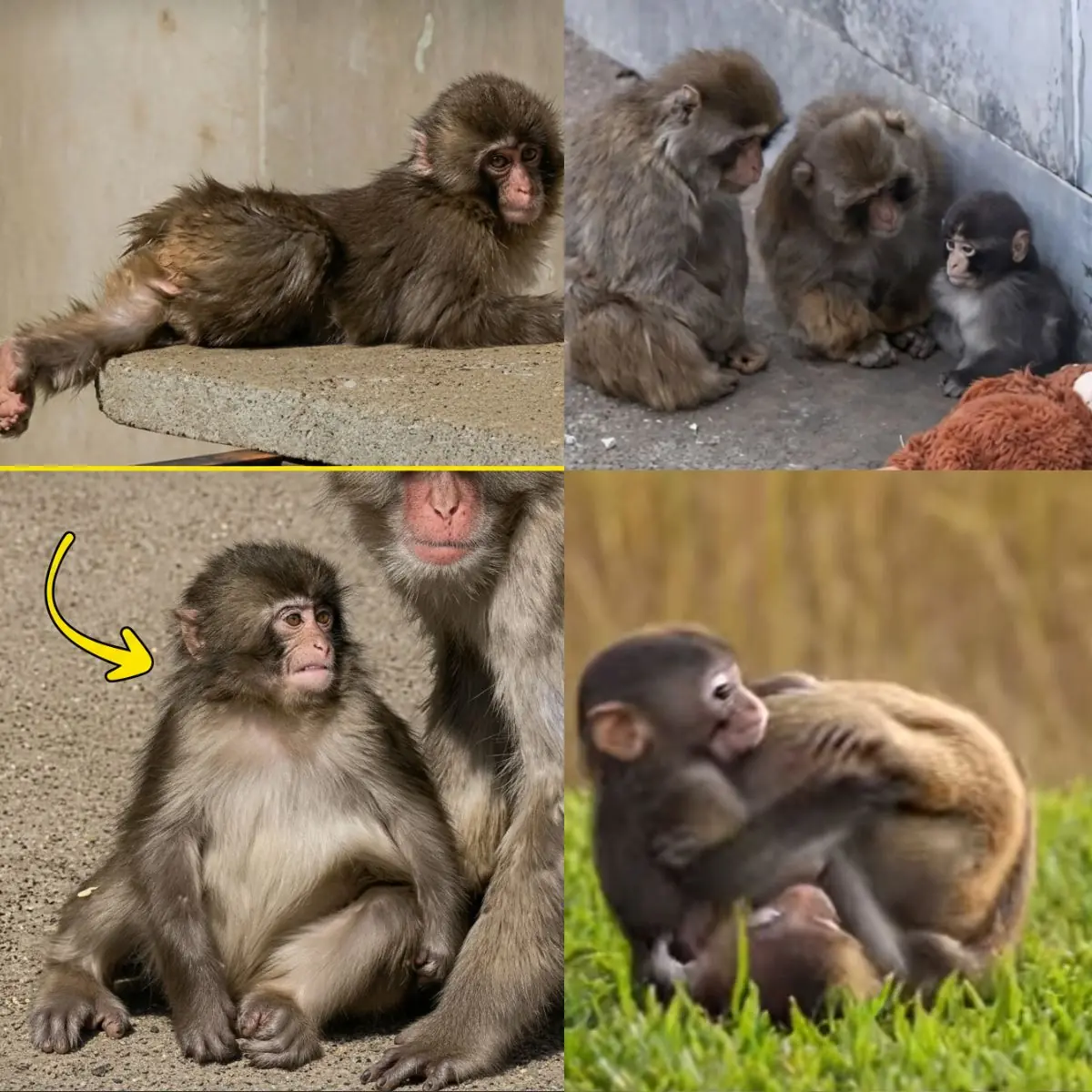
Authenticity Isn’t Consistency—It’s Being Real
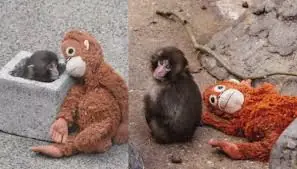
He’s more than just adorable… he’s slowly learning what safety feels like

Why eating raw cabbage may not always be a good idea
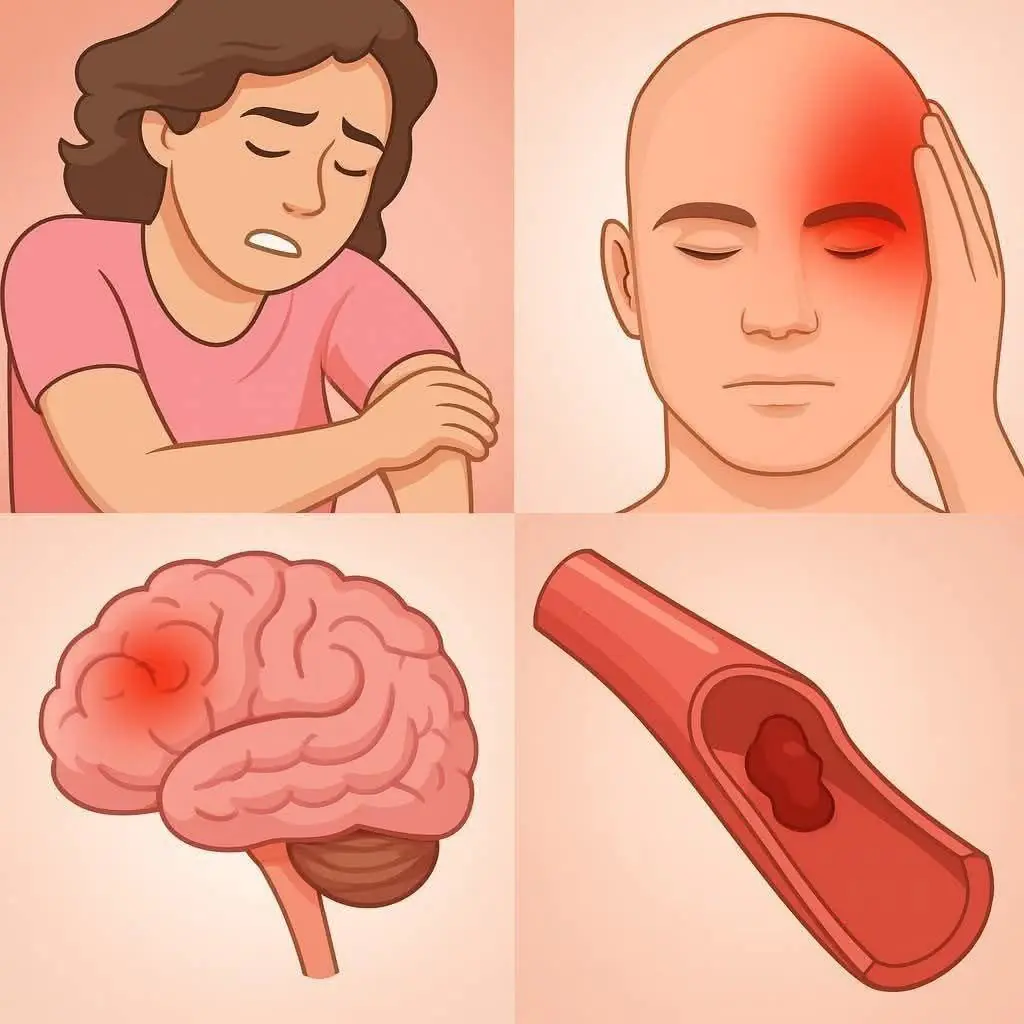
A stroke may not happen suddenly: 10 warning signs your body gives you

Got a sebaceous cyst? Here’s what might be causing it—and what helps
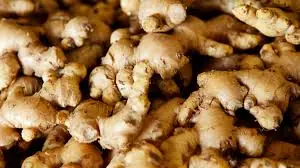
Is ginger as harmless as people think? Doctors weigh in
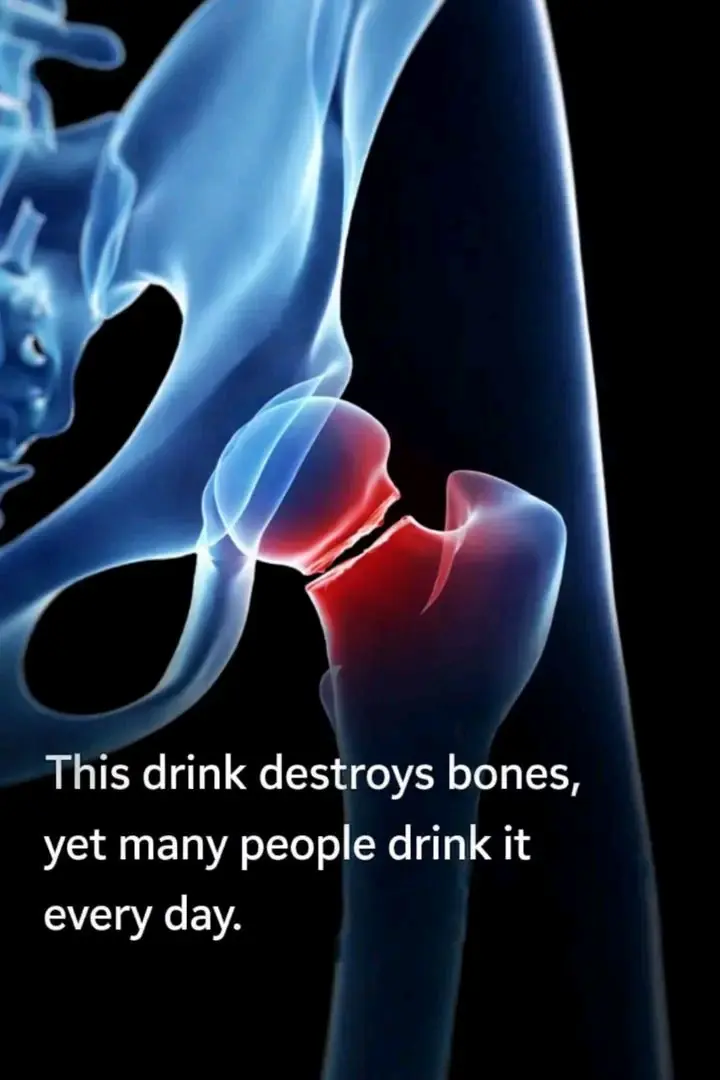
The drink that could quietly affect your bone health over time—here’s what you should know

Doctors explain what happens when you eat cucumber in salads—here’s what you should know

Seeing white bumps on your lips or intimate area? Here’s what might be behind
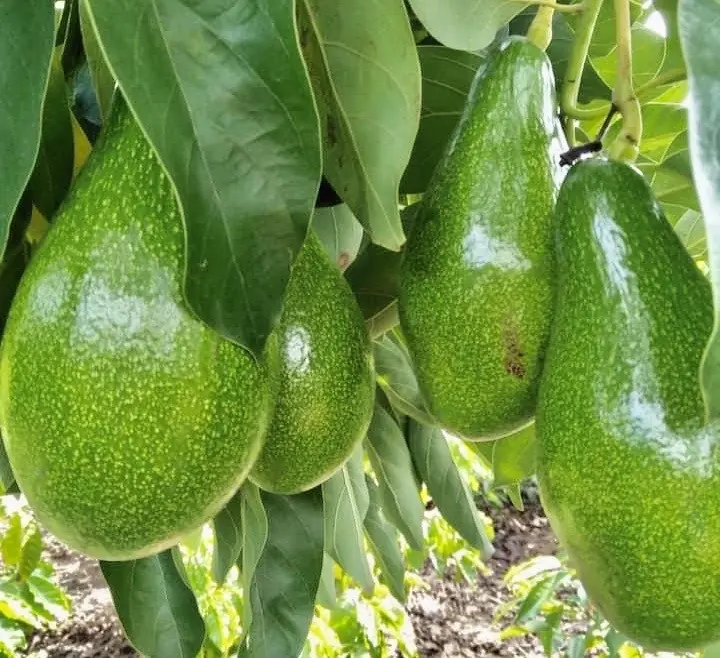
15 reasons avocados deserve a place in your daily diet

5 early signs that could mean you are developing kidney stones
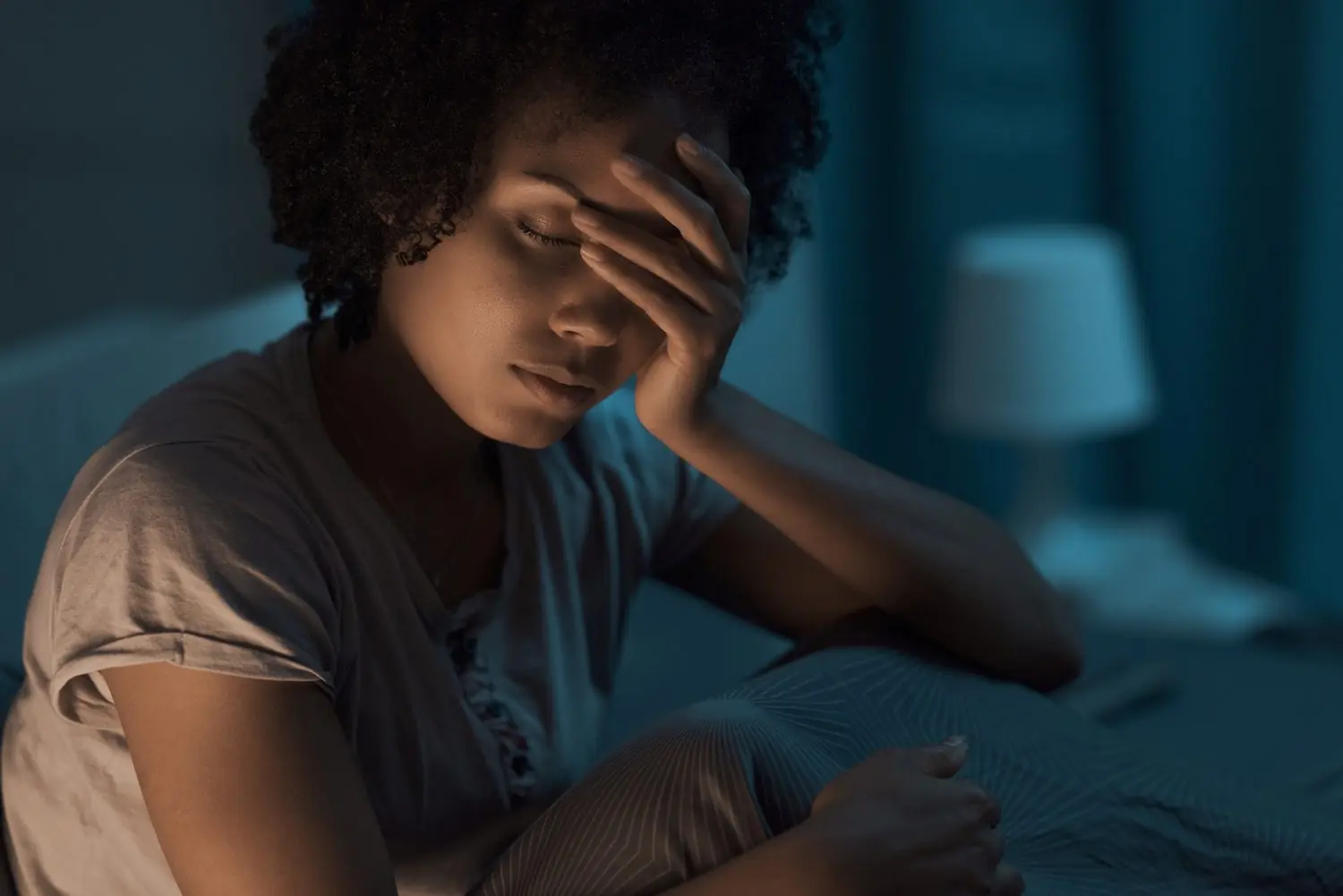
Why do you keep waking up at 3 or 4 a.m.? It might be more about your stress levels and sleep patterns than you think—here’s what’s really going on.
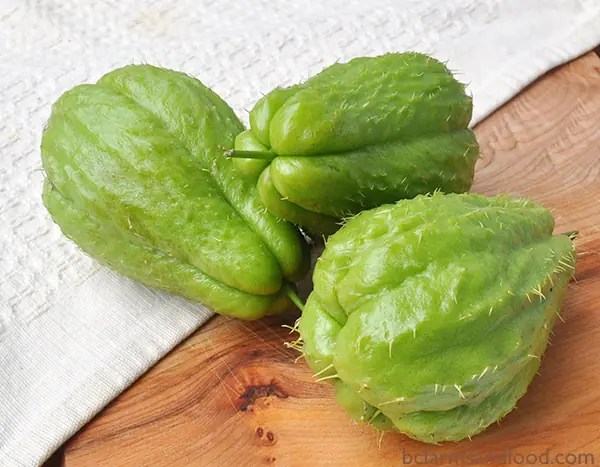
Can Chayote Really Improve Your Health? A Scientific Perspective
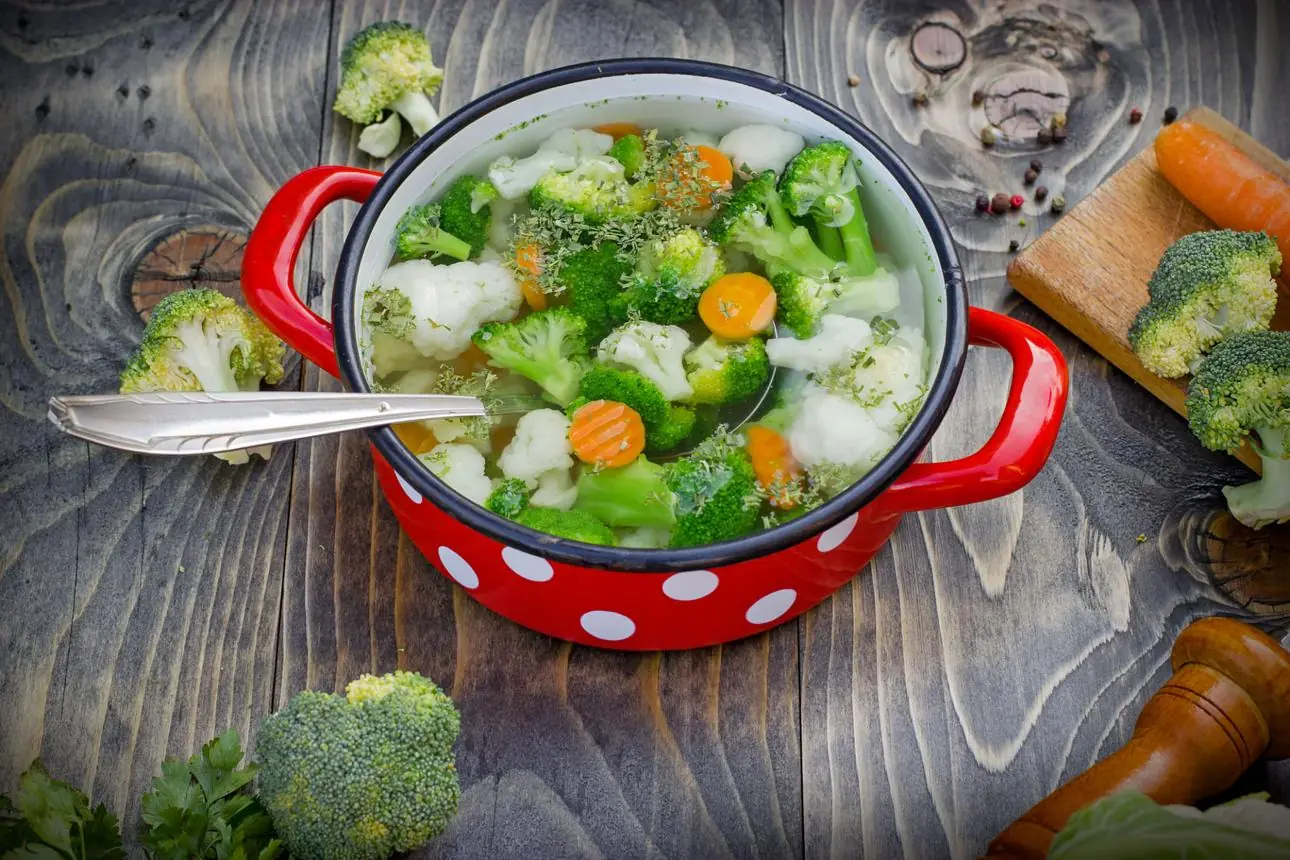
A healthy diet can backfire if balance and knowledge are ignored.

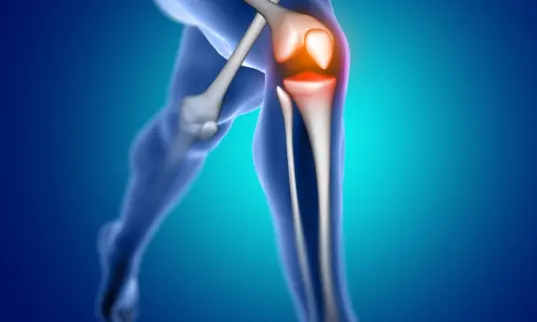
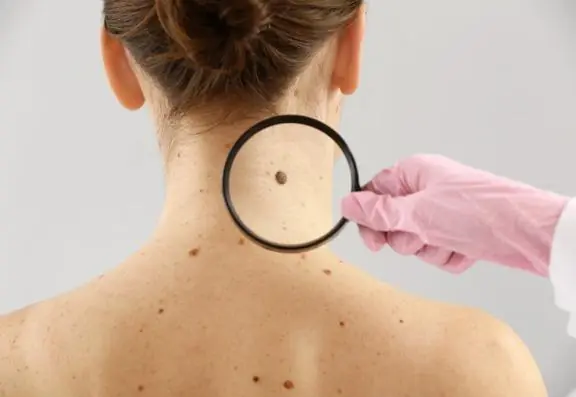
Subtle body changes may be early signs you shouldn’t ignore.