5 Warning Signs That May Indicate Kidney Stones
Kidney stones are small, hard deposits that form inside the kidneys when certain minerals and salts crystallize. They can vary in size—from tiny grains that pass unnoticed to larger stones that cause significant pain and urinary problems.
Kidney stones often develop silently at first, but as they move through the urinary tract, they can trigger noticeable symptoms. Recognizing the early warning signs can help you seek treatment sooner and avoid complications.
Here are 5 common signs that may indicate kidney stones:
1. Sharp pain in the back, side, or lower abdomen

One of the most characteristic symptoms is sudden, intense pain that comes in waves. It often starts in the back or side and may spread toward the lower abdomen or groin. The pain can vary in intensity and may become severe as the stone moves.
2. Pain or burning sensation when urinating
If a stone moves closer to or into the urinary tract, it can cause discomfort during urination. This may feel like a burning sensation or sharp pain each time you pass urine.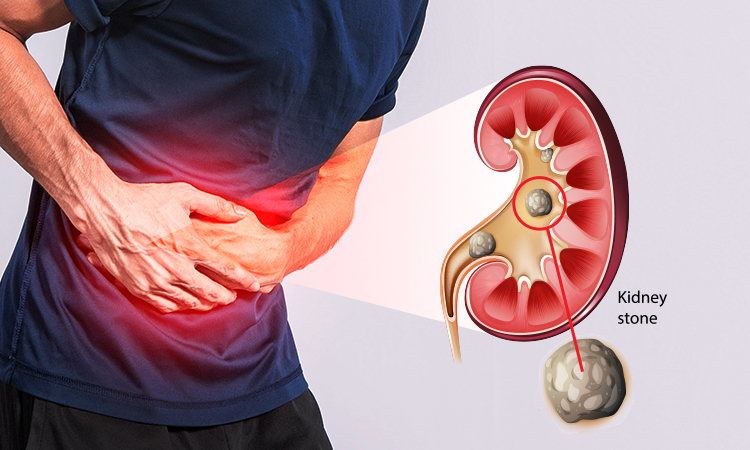
3. Blood in the urine
Kidney stones can irritate the lining of the urinary tract, leading to visible or microscopic blood in the urine. This may cause urine to appear pink, red, or brownish in color.
4. Frequent urge to urinate
You may feel the need to urinate more often than usual, even if only small amounts of urine come out. This happens when a stone is near the bladder or blocking normal urine flow.
5. Nausea, vomiting, or fever
In some cases, kidney stones can trigger nausea or vomiting due to intense pain. If an infection is present, you may also experience fever and chills, which require immediate medical attention.
Final note
Kidney stones can sometimes pass on their own, but in other cases, they may require medical treatment. If you experience severe pain or any of the symptoms above, it’s important to consult a healthcare professional for proper diagnosis and care.