Can Chayote Really Improve Your Health? A Scientific Perspective
Recently, many social media posts have claimed that simply eating chayote can “eliminate” a wide range of health problems, including knee pain, swollen feet, high blood pressure, high cholesterol, poor circulation, and even anemia. These claims can sound very appealing, especially to people looking for natural alternatives to medication. However, to understand the true role of chayote in health, it’s important to look at the evidence rather than rely on exaggerated statements.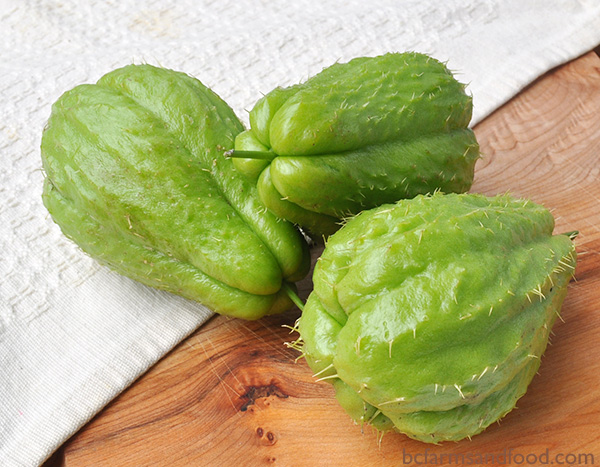
1. What is chayote and what nutrients does it provide?
Chayote is a type of gourd widely consumed in Asia and Latin America. It has a mild flavor and is commonly used in soups, stir-fries, or boiled dishes.
Nutritionally, chayote contains:
- Dietary fiber, which supports digestion and blood sugar control
- Vitamin C, which contributes to immune function
- Potassium, important for blood pressure regulation
- Folate (vitamin B9), essential for cell growth and red blood cell production
- Very few calories and almost no fat
Overall, chayote is a healthy, low-calorie vegetable that fits well into a balanced diet.
2. What can chayote actually do for your health?
It’s important to be clear: chayote can support health, but it is not a cure for disease.
Heart health support
Because of its potassium and fiber content, chayote may:
- Help support healthy blood pressure levels
- Contribute to cholesterol management when combined with a healthy diet
However, these effects are modest and indirect, not strong enough to replace medical treatment.
Digestive health
The fiber in chayote can:
- Improve bowel regularity
- Reduce the risk of constipation
- Support gut health
This is one of its most reliable benefits.
Weight management
Chayote is low in calories but filling, which makes it useful for:
- People trying to lose weight
- Controlling portion sizes
General wellness
Its vitamins and antioxidants may:
- Support the immune system
- Help reduce mild oxidative stress

3. Commonly exaggerated claims
Many viral posts significantly overstate what chayote can do. Here’s a closer look:
“Eliminates knee pain”
There is no scientific evidence that chayote can treat joint pain. Knee pain is often related to:
- Osteoarthritis
- Inflammation
- Injury
These conditions require proper medical care.
“Cures swollen feet”
Swelling in the feet can be caused by:
- Heart problems
- Kidney issues
- Circulatory disorders
A vegetable alone cannot address these underlying causes.
“Treats high blood pressure”
While potassium can help regulate blood pressure, chayote:
- Has only a mild effect
- Cannot replace prescribed medication
Stopping medication without medical advice can be dangerous.
“Lowers cholesterol quickly”
Fiber can help reduce cholesterol over time, but:
- The effect is gradual
- It requires an overall healthy lifestyle
No single food can dramatically lower cholesterol on its own.
“Improves circulation”
Poor circulation is usually linked to:
- Vascular conditions
- Sedentary lifestyle
Chayote does not have a direct, clinically proven effect on circulation.
“Cures anemia”
Although chayote contains folate, it:
- Is low in iron
- Cannot treat anemia by itself
Anemia requires proper diagnosis and targeted treatment.:max_bytes(150000):strip_icc()/Chayote-022b6c79efcd4dda831535144b3cb30c.jpg)
4. Why do these exaggerated claims spread so easily?
There are several reasons why such information becomes popular:
- People prefer “natural” solutions over medication
- Simple claims are easier to understand and share
- Many people are not familiar with basic nutrition science
- The difference between “supporting” and “curing” is often misunderstood
This highlights the importance of critical thinking when consuming health information online.
5. How to use chayote in a healthy way
To benefit from chayote without unrealistic expectations, you can:
- Include it as part of a varied, balanced diet
- Combine it with other vegetables and nutrient-rich foods
- Use healthy cooking methods like steaming, boiling, or light stir-frying
- Maintain a healthy lifestyle with regular exercise and good sleep
Chayote should be seen as one helpful component, not a miracle solution.
6. When should you seek medical advice?
If you experience:
- Persistent joint pain
- Unexplained swelling
- High blood pressure
- Fatigue or symptoms of anemia
You should:
- Consult a healthcare professional
- Get proper testing if needed
- Follow medical guidance
Food can support health, but it cannot replace diagnosis or treatment.
7. Conclusion
Chayote is a nutritious vegetable that can contribute to overall health as part of a balanced diet. However, claims that it can “eliminate” multiple medical conditions are not supported by scientific evidence.
A more realistic approach is to:
- View chayote as a healthy addition to your meals
- Avoid expecting it to replace medication or medical care
- Focus on a balanced lifestyle and informed choices
Good health does not come from a single “miracle” food, but from consistent, well-rounded habits.