What Really Happens When You Eat Ginger? Doctors Explain
Ginger has been used for centuries in cooking and traditional remedies. Today, it is still widely consumed for its flavor and potential health benefits. Ginger is generally safe for most people when eaten in normal dietary amounts, but like many natural foods, it is often surrounded by exaggerated claims online.
So what does science actually say about ginger?
1. Supports digestion
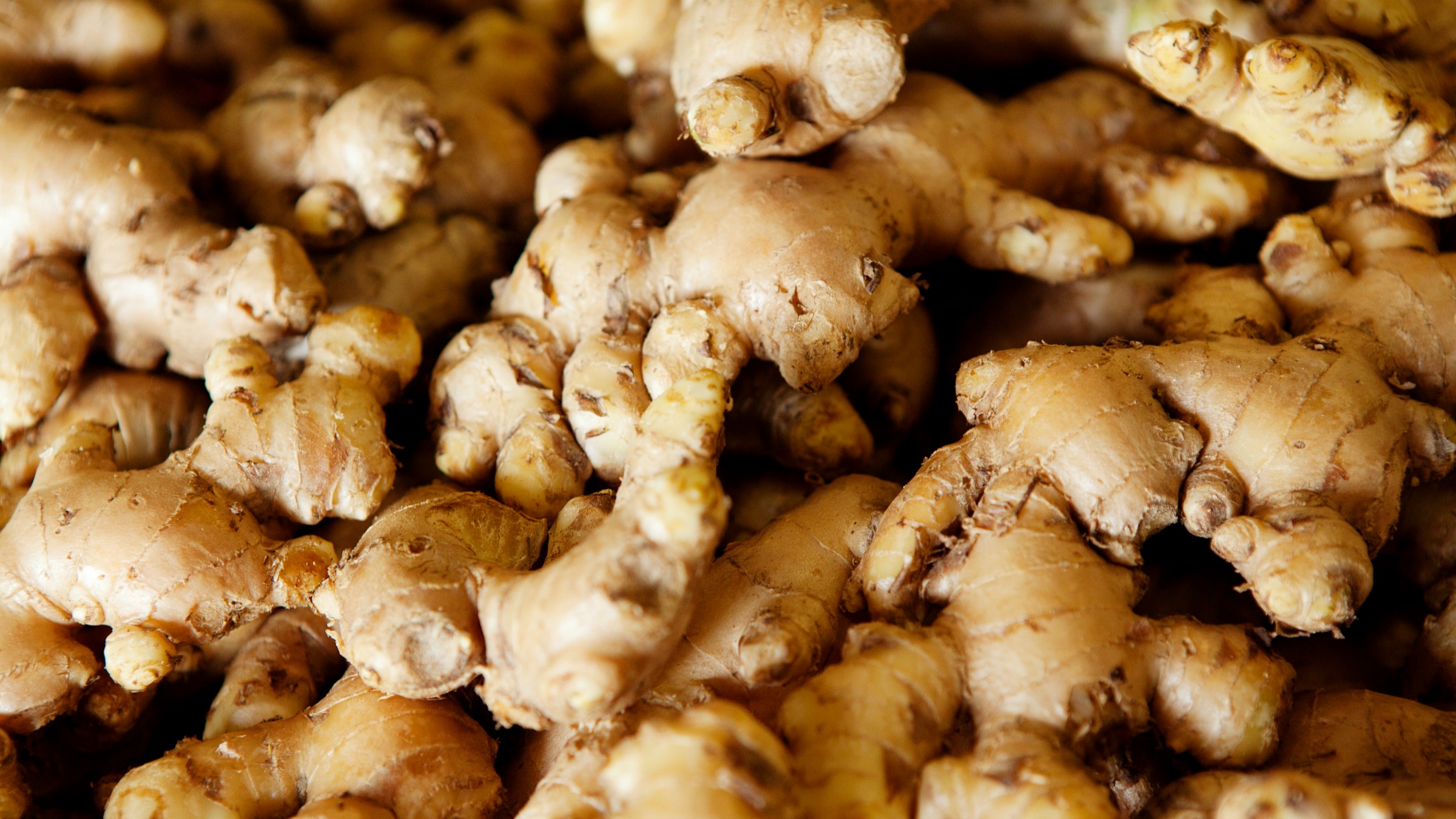
Ginger is well known for helping with digestion. It may help:
- Reduce bloating
- Ease mild stomach discomfort
- Support faster gastric emptying
Some studies suggest ginger can be helpful for nausea, including motion sickness and pregnancy-related nausea.
2. May help reduce nausea
One of the most well-supported benefits of ginger is its effect on nausea. Research shows it may help reduce:
- Morning sickness
- Motion sickness
- Post-surgery nausea in some cases
However, it is not a substitute for medical treatment when symptoms are severe.
3. Anti-inflammatory properties
Ginger contains natural compounds like gingerol, which have anti-inflammatory effects.
This is why it is sometimes studied in relation to:
- Joint discomfort
- Muscle soreness
- Inflammatory conditions
But its effects are generally mild compared to medical treatments.
4. May support heart health
:max_bytes(150000):strip_icc()/CanYouEatSproutedGinger-ecf940da744b4534b7930becc15b1a73.jpg)
Some research suggests ginger may help:
- Slightly lower blood pressure
- Improve circulation
- Support healthy cholesterol levels
However, these effects are not strong enough to replace prescribed medication.
5. Possible blood-thinning effect (in high amounts)
In large doses, ginger may have a mild blood-thinning effect. This is usually not a problem when consumed in food, but it may matter for people who:
- Take blood-thinning medication
- Have bleeding disorders
- Are preparing for surgery
In these cases, medical advice is important.
6. Possible side effects in some people

While ginger is safe for most, high intake may cause:
- Heartburn
- Stomach irritation
- Mild diarrhea
Sensitivity varies from person to person.
Conclusion
Ginger is a nutritious and widely used spice with several potential health benefits, especially for digestion and nausea. However, it is not a “miracle cure,” and its effects are generally supportive rather than medical treatments.
Used in normal amounts in food, ginger is safe and beneficial for most people.
Sources
- National Center for Complementary and Integrative Health (NCCIH) – Ginger
- Harvard T.H. Chan School of Public Health – Ginger and health
- Cochrane Reviews – Ginger for nausea and vomiting
- World Health Organization (WHO) – Herbal medicine safety overview