Cats are famously independent, curious, and capable of navigating their environment with surprising skill. Yet many cat owners have experienced the unsettling reality of a beloved pet leaving home and never coming back. While it can feel mysterious - or even personal there are usually clear behavioral or environmental reasons behind it.
Understanding why cats disappear can help you reduce the risk and better protect your pet.
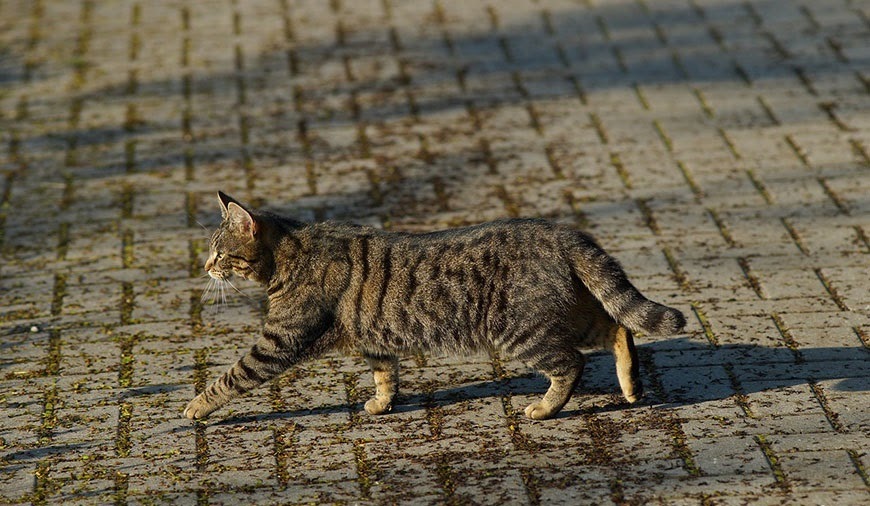
🐾 The Nature of Cats: Independent Explorers
Cats are not naturally homebound in the same way dogs are. Even domesticated cats retain strong instincts from their wild ancestors:
- A desire to explore territory
- Hunting behavior
- Sensitivity to environmental changes
For outdoor or semi-outdoor cats, wandering is part of their normal routine. Sometimes, that routine takes them farther than expected.
⚠️ Common Reasons Cats Don’t Return
1. Expanding Territory
Cats are territorial animals. They often patrol and gradually expand their territory over time. A curious cat may venture farther than usual and become disoriented or unable to find its way back.
Young cats and newly adopted pets are especially prone to this.
2. Searching for a Mate
Unneutered or unspayed cats are driven by strong reproductive instincts. During mating seasons, they may travel long distances in search of a partner—and not return.
Male cats, in particular, are known to roam widely when they sense a female nearby.
3. Injury or Illness
Cats are very good at hiding pain. If a cat becomes injured or sick while outside, it may retreat to a quiet, hidden place to recover. Unfortunately, this can prevent it from returning home.
4. Finding Another Food Source
Cats are opportunistic. If another household provides food or shelter, a cat may gradually spend more time there—and eventually stay.
This is more common than many owners realize.
5. Stress or Environmental Changes
Cats are sensitive to changes in their environment. Moving to a new house, introducing new pets, or even loud construction nearby can cause stress.
A stressed cat may:
- Run away temporarily
- Hide for long periods
- Avoid returning to a place it associates with discomfort

6. Getting Trapped or Lost
Cats can accidentally get trapped in garages, sheds, or buildings. They may also wander into unfamiliar areas and struggle to navigate back, especially in dense urban environments.
7. Natural Instinct to Isolate
In some cases, especially with older cats, there is a natural instinct to isolate when they feel weak or near the end of life. They may leave home quietly and seek a hidden place.
🚨 What You Should Do If Your Cat Disappears
If your cat hasn’t returned, acting quickly increases the chances of finding it:
- Search nearby areas thoroughly (cats often stay within a small radius)
- Call your cat’s name calmly, especially at night when it’s quieter
- Check hidden spots: under decks, bushes, garages
- Inform neighbors and ask them to check their properties
- Leave familiar items outside (like bedding or litter) to guide them back
- Post notices or use local pet recovery groups
🛡️ How to Prevent Your Cat from Disappearing
1. Keep Cats Indoors or Supervised
Indoor cats live longer and face fewer risks. If possible, limit unsupervised outdoor access.
2. Neuter or Spay Your Cat
This reduces roaming behavior and the urge to search for mates.
3. Use Identification
- Microchips
- Collars with ID tags
These greatly increase the chances of being reunited if your cat is found.
4. Create a Safe and Stimulating Environment
Provide toys, climbing spaces, and regular interaction to reduce the desire to roam.
5. Establish Routine Feeding Times
Cats that rely on consistent feeding schedules are more likely to return home regularly.

💡 Final Thoughts
When a cat disappears, it rarely happens “for no reason.” It’s usually the result of instinct, environment, or circumstance. While some cats do find their way back - even after days or weeks others may not, which makes prevention especially important.
Understanding your cat’s behavior, minimizing risks, and creating a secure, comfortable home can significantly reduce the chances of losing them.
And if your cat is currently missing - don’t give up too soon. Many cats have returned home after long absences, often when their owners least expected it.