Sebaceous Cysts: Causes, Symptoms, and Safe Ways to Manage Them
A sebaceous cyst is a common type of skin lump that many people notice at some point in their lives. Although the name sounds concerning, most cases are harmless and slow-growing.
Sebaceous cyst is typically a small, closed sac under the skin filled with keratin (a protein found in skin, hair, and nails). These cysts can appear anywhere on the body but are most commonly found on the face, neck, back, or torso.
What causes sebaceous cysts?
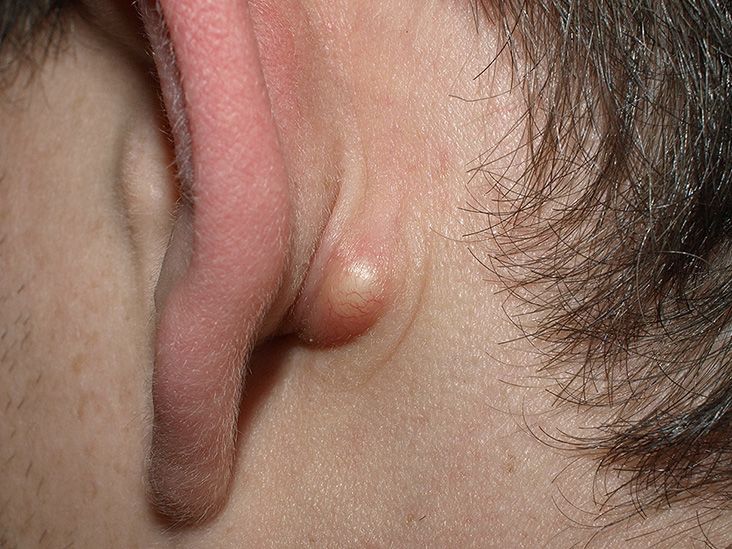
Sebaceous (epidermoid) cysts usually form when skin cells become trapped under the skin instead of shedding normally. This can happen due to:
- Blocked hair follicles or skin pores
- Skin injury or trauma
- Hormonal changes in some cases
- Genetic factors in certain individuals
It is important to note that these cysts are not caused by poor hygiene and are not contagious.
Common symptoms
Sebaceous cysts typically have the following features:
- A small, round bump under the skin
- Slow growth over time
- A soft or firm texture
- Sometimes a small dark “dot” in the center
- Usually painless, unless inflamed or infected
If the cyst becomes infected, it may turn red, swollen, or painful.
Can you treat sebaceous cysts at home?
Most sebaceous cysts do not require treatment and may remain stable for years. However, there are some safe ways to manage mild symptoms at home:
1. Warm compress
Applying a warm compress can help:
- Reduce discomfort
- Encourage natural drainage in some cases
- Soften the cyst area
2. Keep the area clean

Gently washing the skin helps prevent irritation or infection.
3. Avoid squeezing or popping
Trying to squeeze a cyst can:
- Cause infection
- Make inflammation worse
- Increase the chance of scarring
This is one of the most important rules.
When to see a doctor
Medical treatment is recommended if:
- The cyst becomes painful or red
- It grows quickly
- It keeps coming back
- There are signs of infection (pus, fever, swelling)
A healthcare professional may remove the cyst safely through a minor procedure if needed.
Medical treatment options

In clinical settings, treatment may include:
- Drainage of infected cysts
- Surgical removal for recurring or large cysts
- Antibiotics if infection is present
These treatments are usually quick and done under local anesthesia.
Conclusion
Sebaceous cysts are common, usually harmless skin growths caused by blocked skin cells under the surface. While they may look concerning, most do not require treatment unless they become uncomfortable or infected.
Proper care and avoiding unnecessary manipulation are key to preventing complications.
Sources
- American Academy of Dermatology (AAD) – Epidermoid cysts
- Mayo Clinic – Skin cyst overview
- NHS (UK) – Sebaceous cysts information
- Cleveland Clinic – Cyst causes and treatment