10 Warning Signs Your Body May Show Before a Stroke
A stroke does not always happen without warning. In many cases, the body may show subtle signs days or even weeks before a serious event. Recognizing these early symptoms can help you seek medical attention in time and reduce the risk of severe complications.
Stroke occurs when blood flow to part of the brain is interrupted, either due to a blockage or a burst blood vessel. This can lead to brain damage if not treated quickly.
Here are 10 possible warning signs you should never ignore:
1. Sudden numbness or weakness
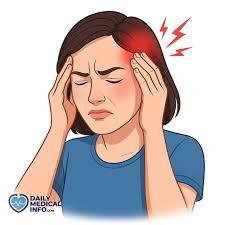
Especially on one side of the face, arm, or leg. This is one of the most common early signs.
2. Confusion or difficulty speaking
You may suddenly have trouble speaking clearly or understanding others.
3. Vision problems
Blurred vision or sudden loss of vision in one or both eyes can occur.
4. Severe headache
A sudden, intense headache with no known cause may be a warning sign.
5. Dizziness or loss of balance
Feeling unsteady, dizzy, or having trouble walking straight.
6. Tingling sensations
Unusual tingling or “pins and needles” in the face or limbs.
7. Fatigue or weakness
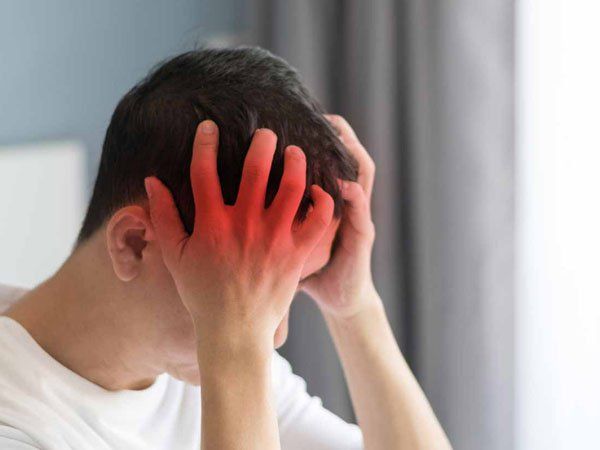
Unexplained extreme tiredness or lack of energy.
8. Difficulty swallowing
Problems with swallowing food or liquids.
9. Memory or concentration issues
Sudden difficulty focusing or remembering things clearly.
10. Temporary stroke-like symptoms (TIA)
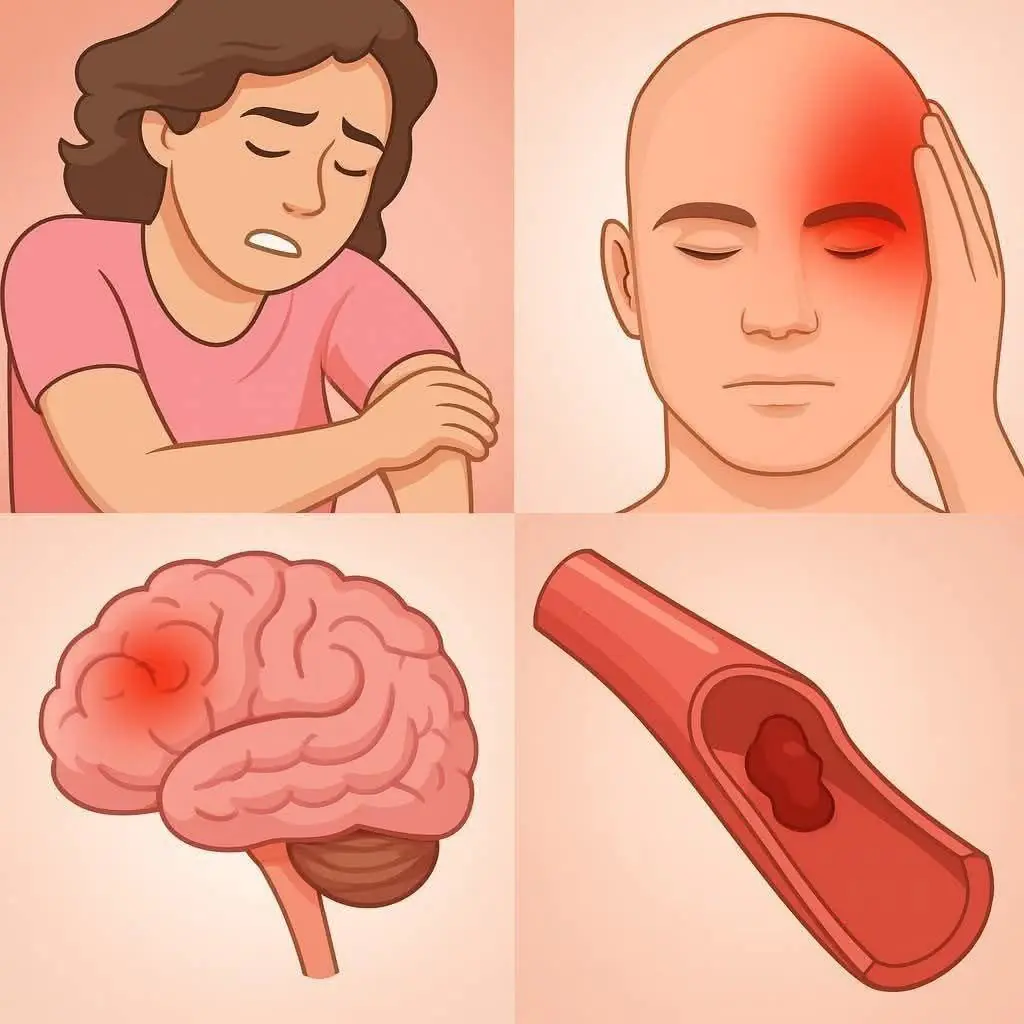
Short episodes of stroke-like symptoms that disappear quickly. These are serious warning signs of a possible future stroke.
Important note
These symptoms do not always mean a stroke is about to happen, but they should never be ignored. Some may be related to other medical conditions. However, early evaluation by a healthcare professional is essential.
If you or someone around you experiences sudden stroke symptoms, seek emergency medical help immediately.
Conclusion
Stroke is a serious medical condition, but early awareness can save lives. Paying attention to warning signs and maintaining a healthy lifestyle—such as controlling blood pressure, exercising regularly, and avoiding smoking—can significantly reduce the risk.
Sources
- World Health Organization (WHO) – Stroke fact sheets
- American Stroke Association – Stroke warning signs
- Centers for Disease Control and Prevention (CDC) – Stroke symptoms and prevention
- National Institute of Neurological Disorders and Stroke (NINDS)