The Hidden Risks of Eating Raw Cabbage: What You Should Know
Cabbage is a popular vegetable packed with vitamins, fiber, and antioxidants. Many people enjoy it raw in salads, slaws, or smoothies. While raw cabbage can be nutritious, eating it without caution may carry some risks. Here’s what you need to know.
🥬 1. Digestive Discomfort
Raw cabbage contains complex sugars and fiber that can be hard for some people to digest. Eating large amounts may lead to:
- Gas and bloating
- Stomach cramps
- Increased bowel movements
Cooking cabbage can break down some of these compounds, making it gentler on the stomach.
⚖️ 2. Thyroid Function Concerns
Cabbage is part of the cruciferous vegetable family, which contains goitrogens—compounds that can interfere with thyroid hormone production if eaten in very large amounts, especially raw.
- People with thyroid disorders should monitor raw cabbage intake.
- Cooking significantly reduces goitrogen levels.
🦠 3. Risk of Bacterial Contamination
Raw vegetables can sometimes carry bacteria like E. coli or Salmonella. To reduce risk:
- Wash cabbage thoroughly before eating
- Avoid pre-cut cabbage that has been sitting at room temperature
- Consider organic or locally grown cabbage when possible
💊 4. Possible Interference With Medication
Cabbage is high in vitamin K, which can affect blood clotting. People taking blood-thinning medication (like warfarin) should be mindful of large raw cabbage servings.
🥗 5. Nutrient Absorption
Raw cabbage contains compounds that may slightly reduce the absorption of certain minerals, like iron and calcium. Eating it as part of a balanced diet, alongside vitamin C-rich foods, can improve nutrient absorption.
✅ Tips for Safe Consumption
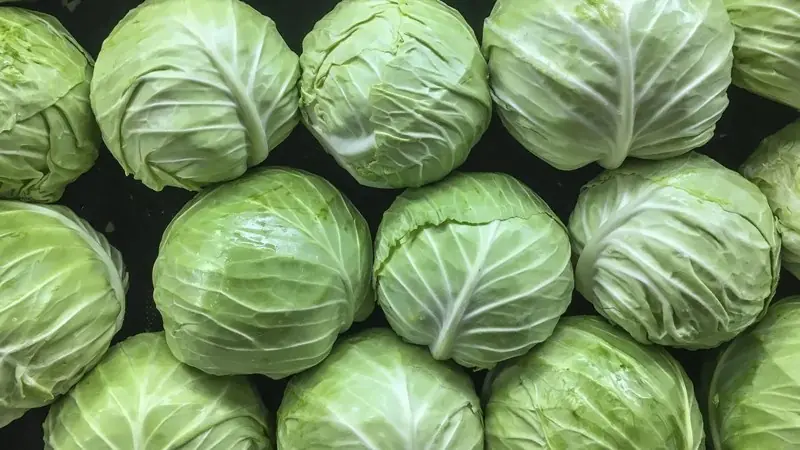
- Wash thoroughly and remove aouter leaves
- Start with small servings if your digestion is sensitive
- Consider lightly steaming or sautéing to reduce goitrogens and fiber content
- Pair with vitamin C-rich foods to maximize nutrient uptake
🧠 Final Thoughts
Raw cabbage can be a healthy addition to your diet, offering fiber, antioxidants, and vitamins. However, moderation and proper preparation are key. Cooking or lightly steaming cabbage reduces many of the potential risks while still providing nutrients.
Enjoy cabbage safely, and listen to your body—if you notice digestive discomfort, adjust your intake or preparation method.