One of the World’s Most Expensive Spices—Only Grown in a Few Countries, Yet Surprisingly Familiar
It may sound unfamiliar at first, but this spice is actually widely used in everyday cooking. In fact, it is considered one of the oldest and most valuable spices in the world, ranking just behind saffron and vanilla in terms of price.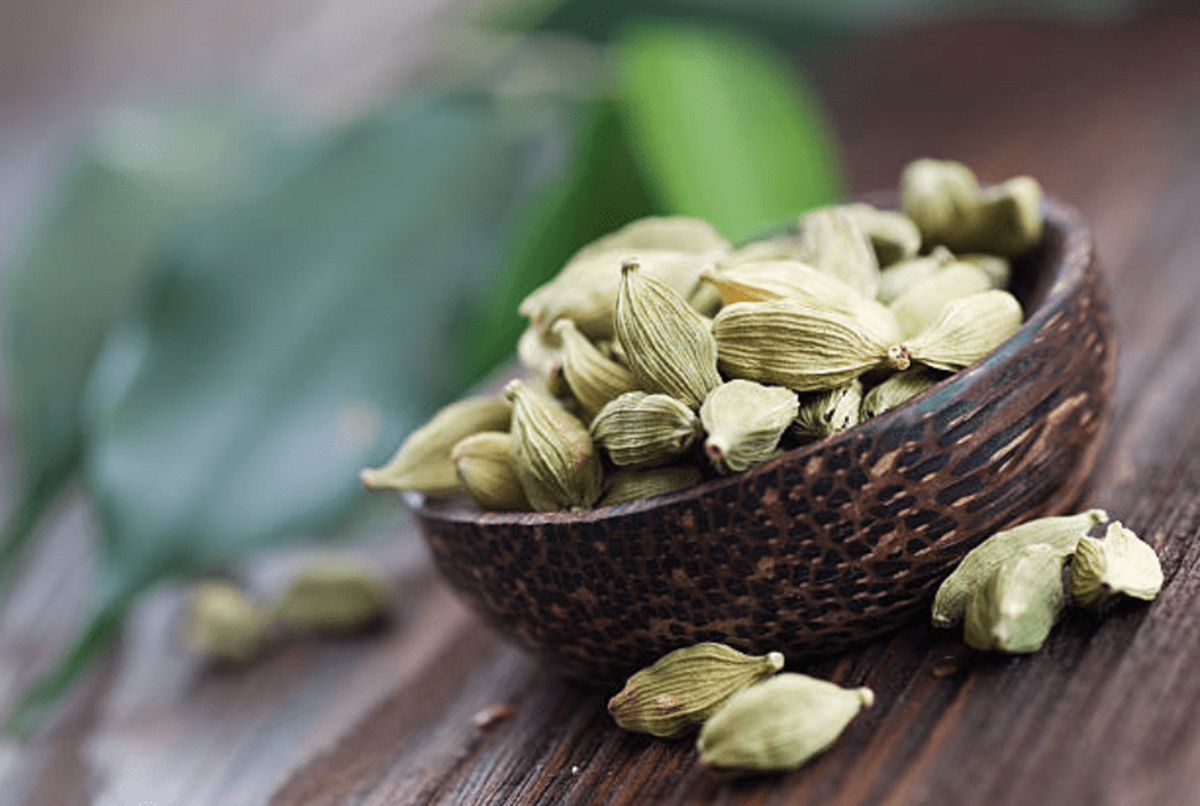
A Rare and Valuable Spice
This spice comes from the seeds of a plant in the ginger family, known for its warm, slightly sweet, and spicy aroma.
It is commonly used in:
- Savory dishes
- Desserts
- Tea and coffee
Despite its small size, it is regarded as one of the most expensive spices globally, with prices reaching around $90 per kilogram in some markets.
Why Is It So Expensive?
The high price is largely due to how it is harvested.
- The pods must be picked by hand
- They are harvested when only about 70% ripe
- The process requires time, precision, and careful handling
This labor-intensive method makes production limited and costly.
Grown in Only a Few Places
Unlike many common crops, this spice can only grow in specific climates with suitable temperature and humidity conditions.
According to available data, only a little over a dozen countries worldwide are able to cultivate it successfully, making it relatively rare on a global scale.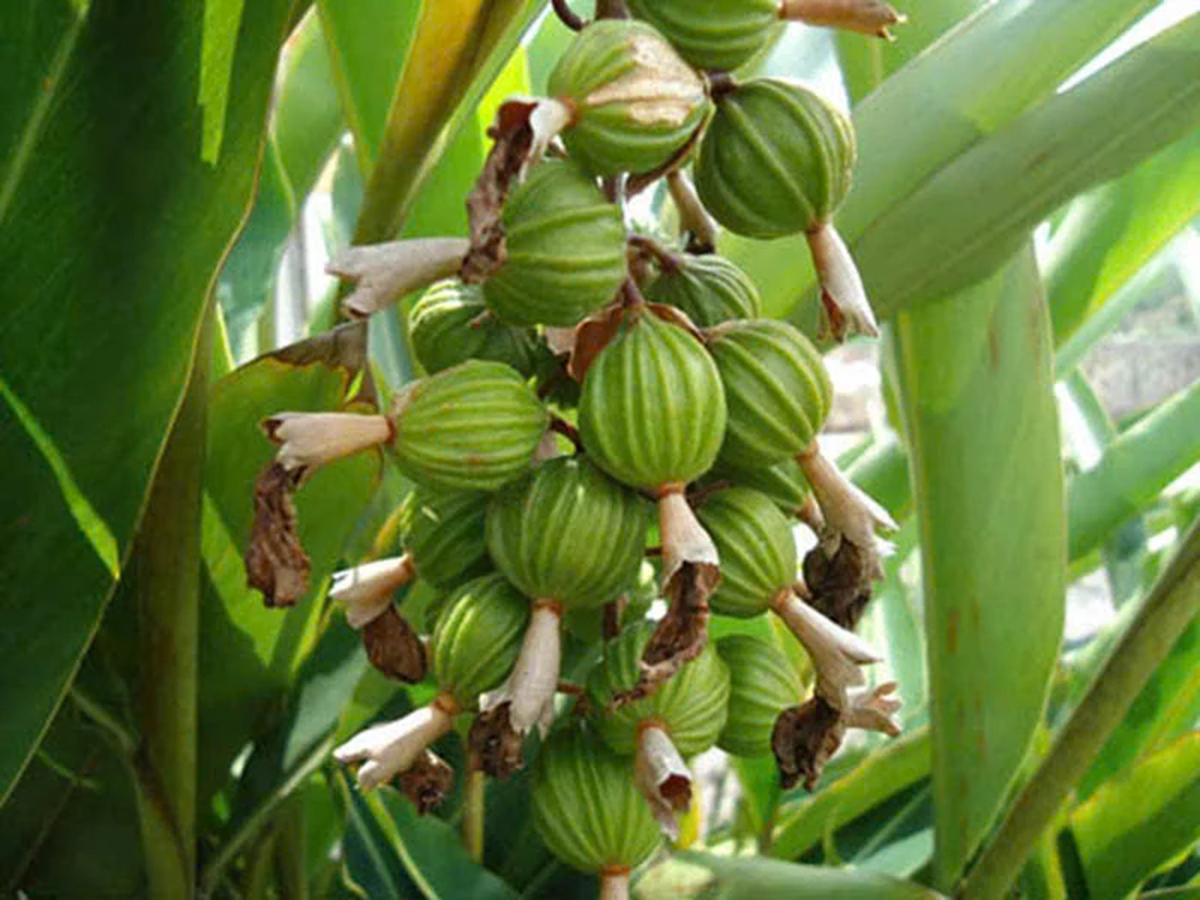
What Does It Look Like?
The fruit is small and round with a slightly wrinkled outer shell.
Inside, each pod contains:
- Around 20–30 tiny seeds
- A strong, distinctive fragrance
- A warm, spicy taste
These seeds are the part commonly used as a spice.
More Than Just a Flavoring
Beyond its culinary uses, this spice has long been valued in traditional practices for its potential health-supporting properties.
It has been associated with:
- Supporting digestion
- Reducing bloating
- Freshening breath
- Helping soothe the stomach
- Providing mild antibacterial effects
Because of its aroma, it is even used in products like chewing gum to help improve breath.
How It’s Processed
The pods are typically harvested from plants that are at least three years old.
After harvesting:
- They are dried naturally in shaded conditions
- Stored in cool, dry environments
- The seeds are extracted when needed
This careful process helps preserve both flavor and quality.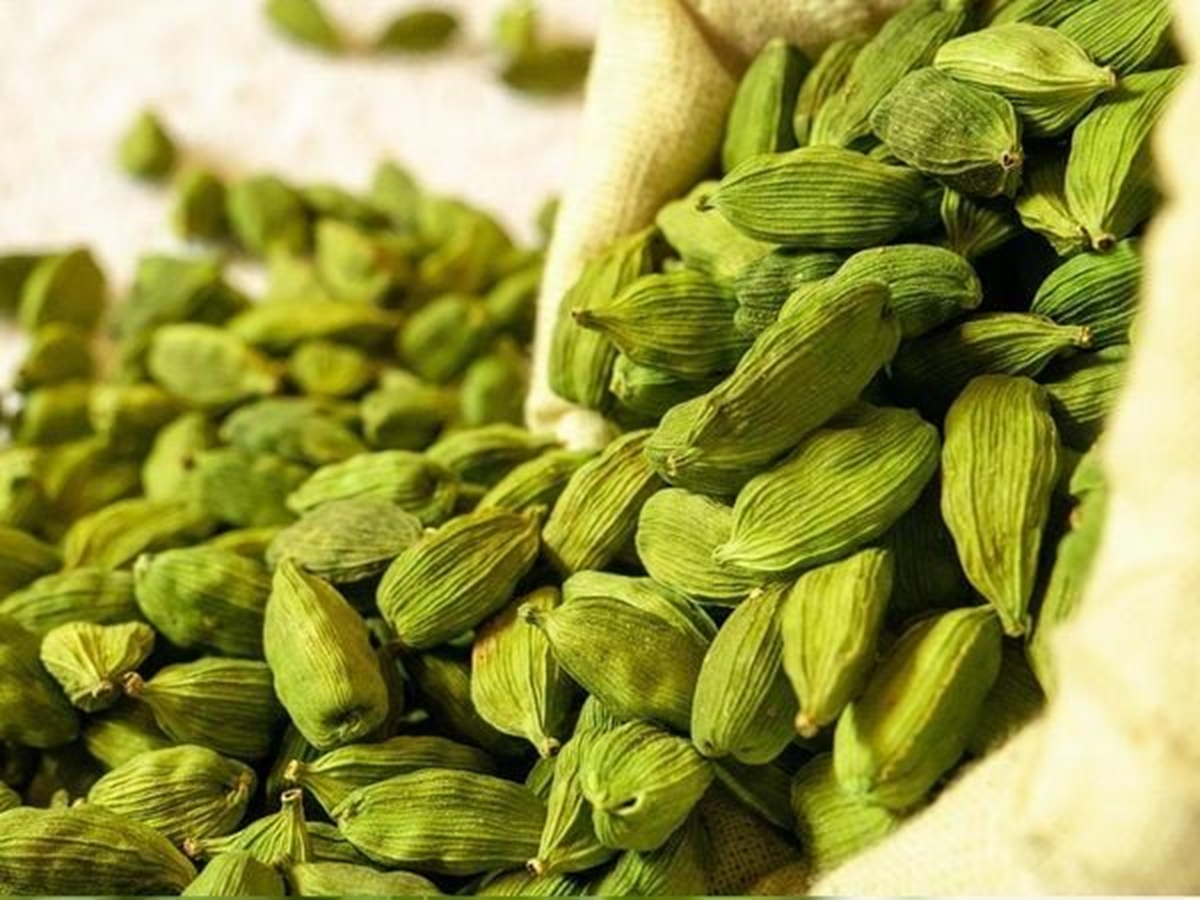
The Bottom Line
Although small and often overlooked, this spice is one of the most valuable and labor-intensive agricultural products in the world.
Its rarity, complex harvesting process, and wide range of uses make it both a culinary treasure and a highly prized commodity.