Understanding the Relationship Between Breast Size and Hormonal Health—What Science Actually Says
For years, breast size has been surrounded by myths, assumptions, and social pressure. Many people believe that larger or smaller breasts may reflect hormone levels or overall health.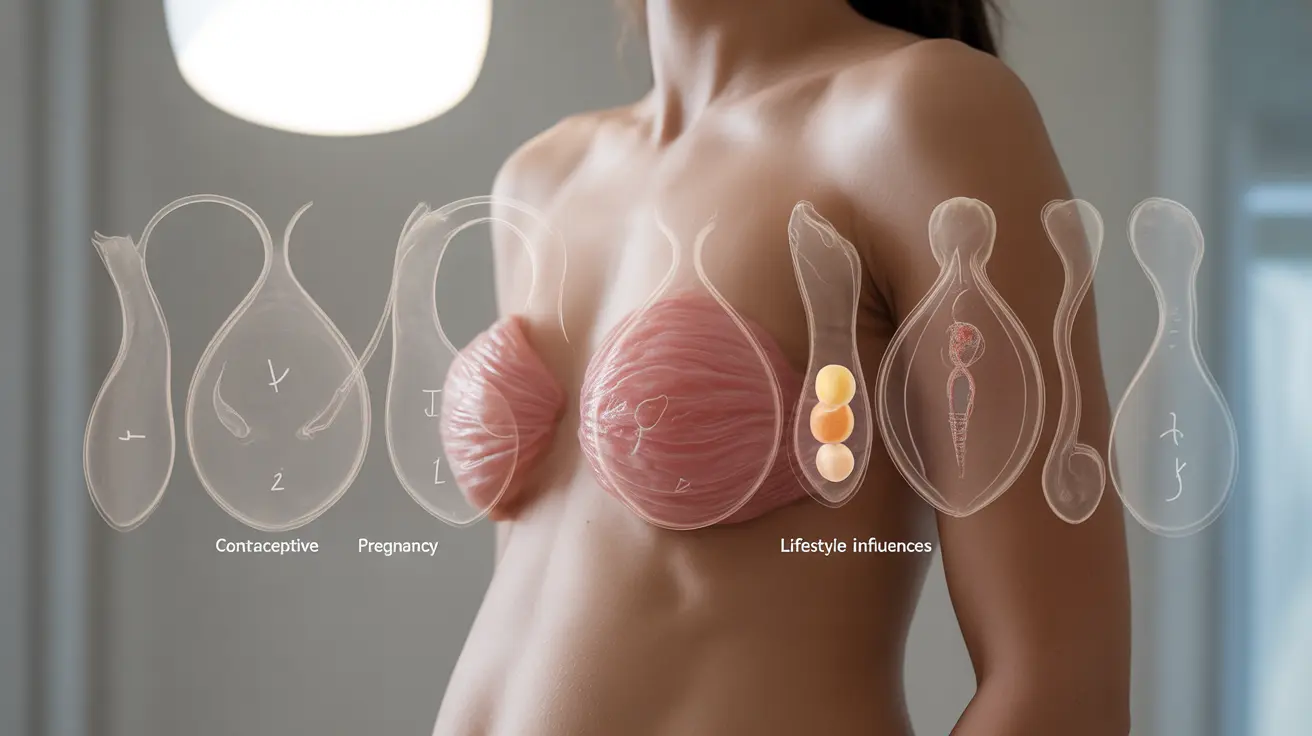
But according to health insights, the relationship between breast size and hormonal health is far more complex—and often misunderstood.
What Determines Breast Size?
Breast size is influenced by several factors, including:
- Genetics
- Body fat percentage
- Hormonal changes over time
Hormones such as estrogen and progesterone play a key role in breast development, particularly during puberty, pregnancy, and menstrual cycles.
However, these hormones work within genetic limits, meaning each person’s body responds differently.
Does Breast Size Reflect Hormonal Balance?
One of the biggest misconceptions is that breast size directly indicates hormone levels.
In reality:
- Small breasts do not mean hormonal imbalance
- Large breasts do not necessarily indicate higher estrogen or better health
Experts emphasize that breast size alone is not a reliable marker of hormonal health.
Hormonal balance depends on many internal processes, not external body features.
How Hormones Affect Changes Over Time
While breast size itself isn’t a health indicator, hormones can influence temporary or gradual changes, such as:
- Swelling during the menstrual cycle
- Enlargement during pregnancy
- Changes during menopause
These shifts are normal and reflect how the body responds to hormonal fluctuations—not a fixed measure of health.
The Role of Body Composition
Another important factor is body fat. Breasts are made up largely of fatty tissue, so:
- Weight gain can increase breast size
- Weight loss can reduce it
This means size changes are often linked more to overall body composition than hormone levels alone.
What Research Suggests
Some studies have explored connections between breast size and health outcomes, including physical comfort and wellbeing.
For example, larger breast size has been associated with:
- Back or shoulder discomfort
- Impact on physical activity levels
But these findings relate more to physical effects, not hormonal imbalance or disease.
Separating Myth from Reality
Cultural beliefs and media influence have long shaped how people view breast size.
However, science makes it clear:
- Breast size varies naturally
- It does not define femininity, health, or hormone levels
- There is no “ideal” size linked to better health
The Bottom Line
Breast size is shaped by a combination of genetics, hormones, and body composition—but it is not a reliable indicator of hormonal health.
Rather than focusing on appearance, experts recommend paying attention to:
- Overall wellbeing
- Regular health check-ups
- Any unusual changes in the body
Understanding the facts can help people move beyond myths—and focus on what truly matters for long-term health.