Eggs are one of the most widely consumed and nutritionally dense foods in the world. Yet a simple question continues to spark debate in kitchens, supermarkets, and nutrition forums: does a darker egg yolk actually mean a healthier egg?
The short answer is: sometimes but not always. The color of an egg yolk can reflect certain aspects of nutrition, but it’s not a complete or foolproof indicator of overall quality. To understand why, we need to look at what actually determines yolk color and how that relates to nutrient composition.
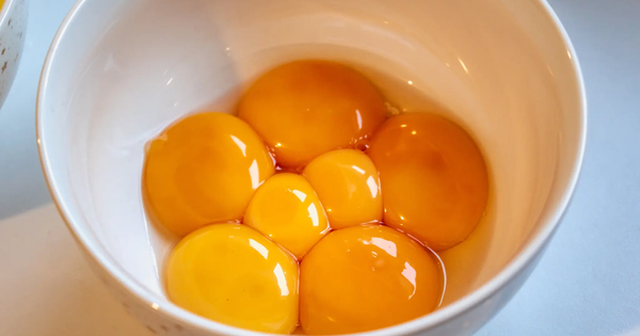
What Determines Egg Yolk Color?
The color of an egg yolk primarily depends on the hen’s diet, not the breed of the chicken or the farming label alone. Specifically, yolk color is influenced by natural pigments called carotenoids, which hens obtain from their food.
Common dietary sources include:
- Corn and maize (produce yellow yolks)
- Alfalfa and grasses (deeper orange tones)
- Marigold petals or paprika (enhanced orange color)
- Insects and plants in free-range environments
The more carotenoid-rich the hen’s diet is, the darker and more orange the yolk tends to be.
What Are Carotenoids—and Why Do They Matter?
Carotenoids are plant-based pigments that also function as antioxidants. Two key carotenoids found in egg yolks are:
- Lutein
- Zeaxanthin
These compounds are associated with eye health, particularly in protecting against age-related macular degeneration and supporting visual function.
So yes - a darker yolk often indicates higher levels of these specific antioxidants.

Does Darker Mean More Nutritious Overall?
Here’s where things get nuanced.
A darker yolk may suggest:
- Higher carotenoid content
- A more varied or natural diet for the hen
However, it does not necessarily mean:
- More protein
- More vitamins across the board
- Lower cholesterol
- Better overall health benefits
In fact, the core nutritional components of eggs—such as protein, fats, and basic vitamins—remain relatively consistent regardless of yolk color.
Free-Range vs. Conventional Eggs
Many people associate darker yolks with free-range or pasture-raised eggs, and there’s some truth to that.
Hens that roam outdoors often consume:
- Grass
- Seeds
- Insects
This varied diet can lead to:
- Richer yolk color
- Slightly higher omega-3 fatty acids
- Improved micronutrient diversity
However, it’s important to note that some commercial producers can artificially enhance yolk color by adding natural pigments to feed. This means a deep orange yolk doesn’t automatically guarantee a superior farming method.
Can Yolk Color Be Misleading?
Yes—and this is where many people get it wrong.
A bright orange yolk might look more appealing and “healthy,” but:
- It could be the result of feed additives
- It doesn’t confirm better animal welfare
- It doesn’t ensure higher protein or vitamin content
In other words, color is a clue, not a conclusion.
What Actually Matters More Than Color?
If your goal is to choose the most nutritious eggs, focus on these factors instead:
1. Farming Method
Pasture-raised or free-range eggs often come from hens with more natural diets and better living conditions.
2. Feed Quality
Hens fed a balanced, nutrient-rich diet produce eggs with better overall nutrient profiles.
3. Freshness
Fresh eggs tend to have firmer whites and more intact yolks, which can affect both taste and nutritional integrity.
4. Omega-3 Enrichment
Some eggs are specifically enriched with omega-3 fatty acids, offering additional cardiovascular benefits.
So, What’s the Verdict?
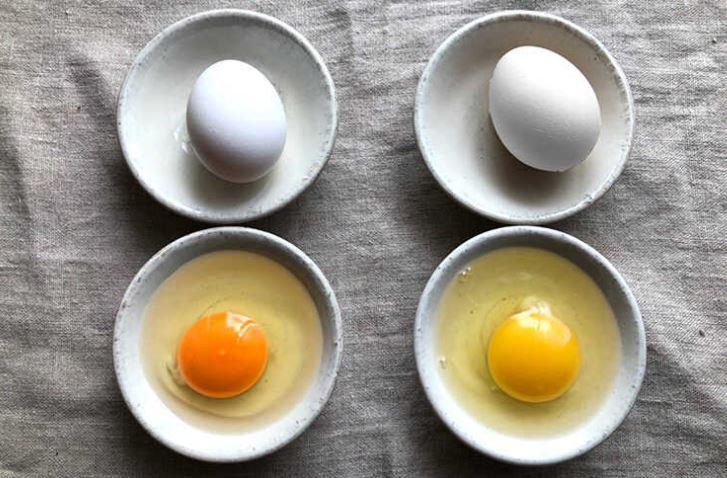
A darker egg yolk can indicate higher levels of beneficial carotenoids like lutein and zeaxanthin. However, it is not a definitive measure of overall nutritional quality.
Think of yolk color as:
- A visual hint about the hen’s diet
- A partial indicator of certain nutrients
- But not a complete measure of health value
Final Thought
It’s easy to assume that deeper color equals better nutrition - but food science is rarely that simple. While darker yolks can offer some advantages, the real value of an egg comes from a combination of factors: how the hen was raised, what it was fed, and how fresh the egg is.
So next time you crack an egg and see that rich golden-orange yolk, appreciate it—but remember: nutrition goes deeper than color.