It’s Not as Simple as It Sounds
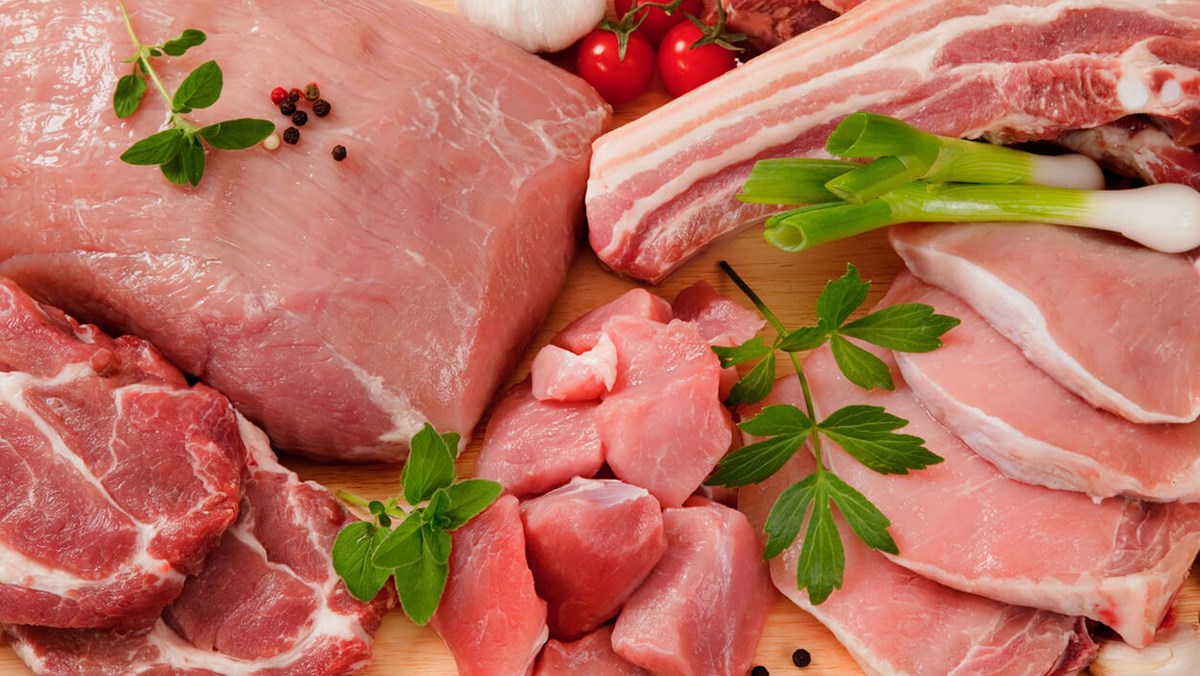
First, a quick reality check: most Americans do eat pork - it’s common in foods like bacon, ham, and barbecue. However, a significant number of people in the U.S. choose to avoid pork for various reasons.
These choices are not random. They are shaped by religion, health concerns, ethics, culture, and personal preference. Understanding this gives a clearer picture of how diverse food habits really are.
1. Religious Beliefs
One of the most common reasons is religion.
In the U.S., communities that follow certain faiths avoid pork completely:
- Islam: Pork is strictly prohibited
- Judaism: Pork is not considered kosher
Because the U.S. is culturally diverse, many people follow these dietary rules as part of their identity and beliefs.
2. Health Concerns
Some people avoid pork because of how they perceive its impact on health.
Concerns may include:
- High fat content in certain pork products
- Processed meats like bacon and sausages
- Links between processed meats and long-term health risks
While pork can be part of a balanced diet, processed pork products are often the main concern.
3. Ethical and Animal Welfare Reasons
Another growing reason is ethics.
Some individuals avoid pork because:
- They are concerned about how pigs are raised
- They oppose industrial farming practices
- They choose vegetarian or vegan lifestyles
For these people, it’s not just about pork - it’s about reducing harm to animals overall.

4. Cultural and Family Influence
Food habits are often shaped early in life.
Some Americans grow up in families or communities where:
- Pork is rarely used in cooking
- Alternative meats are preferred
- Cultural traditions influence food choices
These habits can continue into adulthood without much change.
5. Personal Taste Preferences
Sometimes, the reason is simple: they just don’t like it.
Taste, texture, and smell play a big role in food choices. Some people:
- Find pork too fatty
- Prefer other proteins like chicken, beef, or fish
- Avoid certain flavors or cooking styles
Personal preference is often underestimated, but it’s a real factor.
6. Dietary Trends and Lifestyle Choices
In recent years, more people are changing their diets based on lifestyle goals.
Examples include:
- Plant-based diets
- Clean eating
- Low-fat or specific nutrition plans
These approaches may limit or exclude pork, especially processed forms.
7. Concerns About Processing and Additives
Many pork products are heavily processed.
This includes:
- Bacon
- Sausages
- Deli meats
Some people avoid these because they may contain:
- Preservatives
- High sodium levels
- Artificial additives
As awareness of food quality increases, more people are becoming selective.
The Bigger Picture: It’s About Choice
What’s important to understand is that there isn’t one single reason.
For some, it’s religion.
For others, it’s health, ethics, or taste.
And in a country as diverse as the United States, all of these reasons coexist.
Final Thoughts
The idea that “Americans don’t eat pork” isn’t accurate but it’s true that many choose not to, and for meaningful reasons.
Food choices are personal. They reflect beliefs, values, culture, and lifestyle. Whether someone eats pork or avoids it, the decision is usually intentional.
In the end, it’s not about right or wrong - it’s about understanding why people choose what they eat.