Should You Wash Rice Before Cooking? Experts Reveal 4 Common Mistakes That May Harm Your Health
Cooking rice may seem like one of the simplest daily tasks, yet many people still make small mistakes without realizing it. One of the most debated questions is whether rice should be washed before cooking.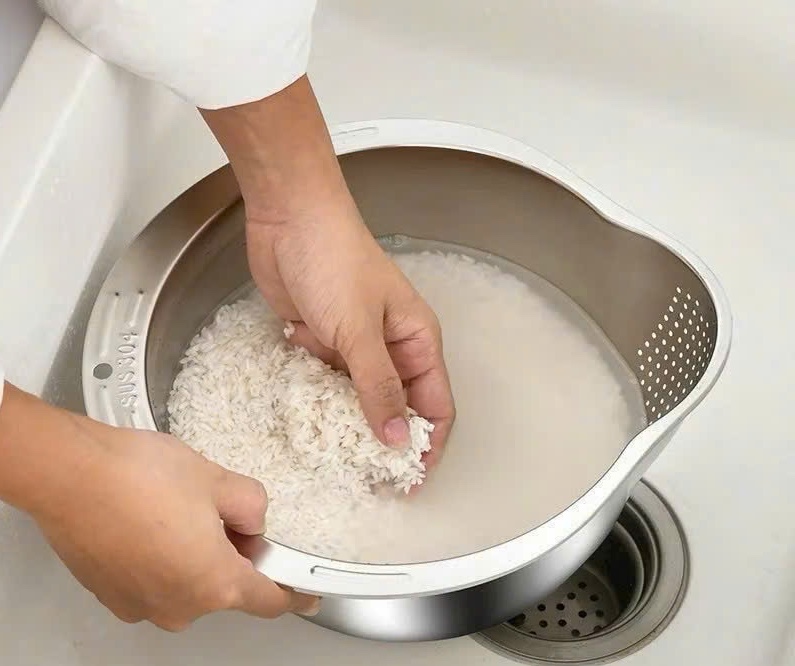
According to experts, the answer is yes—but how you wash rice matters more than you think.
Why Washing Rice Is Important
Some people believe washing rice removes nutrients. However, experts in toxicology and nutrition say the opposite: washing rice helps reduce harmful substances.
Research indicates that modern rice may contain microplastics and arsenic. Proper washing can remove about 20–40% of microplastics and up to 90% of absorbable arsenic.
Arsenic is a heavy metal that can accumulate in rice during cultivation and has been linked to cancer risk. Skipping this step may mean consuming these substances daily.
4 Common Rice-Washing Mistakes You Should Avoid
1. Washing Rice Directly in the Rice Cooker Pot
This is a very common habit for convenience. However, experts warn that rubbing rice inside the cooker pot can damage the non-stick coating.
Once damaged, the coating may release harmful compounds. When the metal underneath is exposed and oxidized, it can produce substances like PFOA, which has been classified as potentially carcinogenic and may affect the immune system and hormones.
2. Soaking Rice at Room Temperature for Too Long
Many people soak rice to make it softer or cook faster. But experts warn that soaking rice in warm, humid environments can promote the growth of dangerous toxins.
One such toxin can damage the liver and kidneys—and importantly, it is not destroyed during normal cooking.
If you want softer rice, experts recommend soaking it briefly in the refrigerator instead.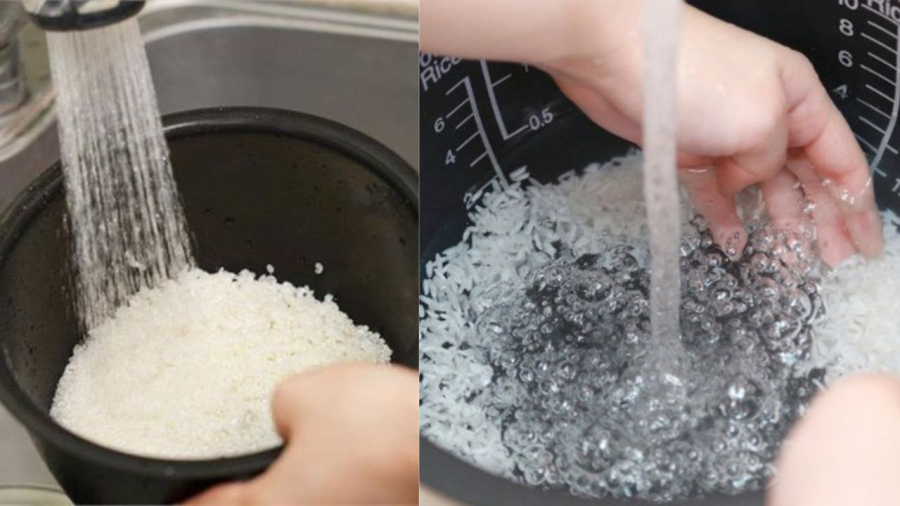
3. Washing Rice Too Thoroughly
Being too careful can backfire. Washing rice repeatedly until the water becomes completely clear may strip away essential nutrients.
The cloudy water actually contains B vitamins and important minerals. Excessive scrubbing can leave rice with mostly starch and little nutritional value.
Experts suggest gently rinsing rice once or twice instead of over-washing.
4. Using Old or Moldy Rice and Thinking Washing Makes It Safe
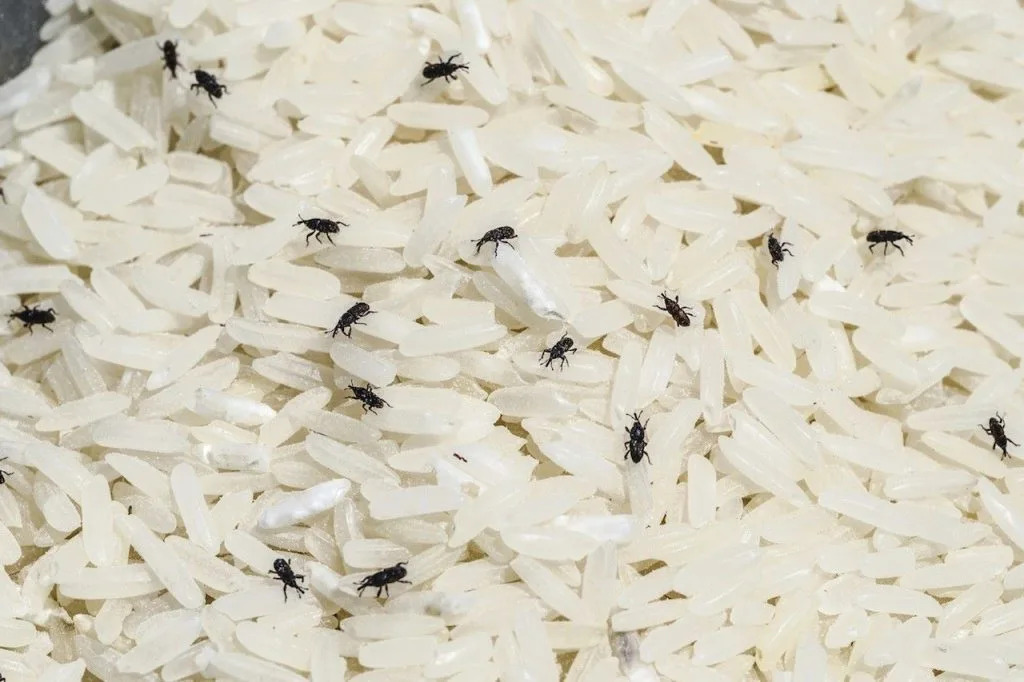
Some people try to salvage rice that has turned yellow or developed insects by washing it thoroughly before cooking.
Experts strongly warn against this. Discolored or moldy rice may contain aflatoxin, a highly dangerous toxin linked to liver cancer.
This toxin is extremely heat-resistant and cannot be eliminated through normal cooking.
What Experts Recommend Instead
- Rinse rice gently 1–2 times
- Avoid scrubbing too hard
- Do not soak rice too long at room temperature
- Never use moldy or spoiled rice
These simple adjustments can help you reduce harmful substances while preserving nutrients.
The Bottom Line
Washing rice is not just about cleanliness—it is a key step in reducing potential health risks.
However, doing it the wrong way can either introduce harmful substances or strip away valuable nutrients.
In everyday habits like cooking rice, small details can make a big difference to long-term health.