When people think about lung cancer, they usually focus on symptoms like persistent cough, chest pain, or shortness of breath. However, what many don’t realize is that your fingers can sometimes reveal early warning signs of deeper problems in the lungs. These changes are often subtle and easy to overlook—but in some cases, they may indicate that the body is responding to underlying disease.
Let’s break down four important finger-related symptoms and what they could mean.
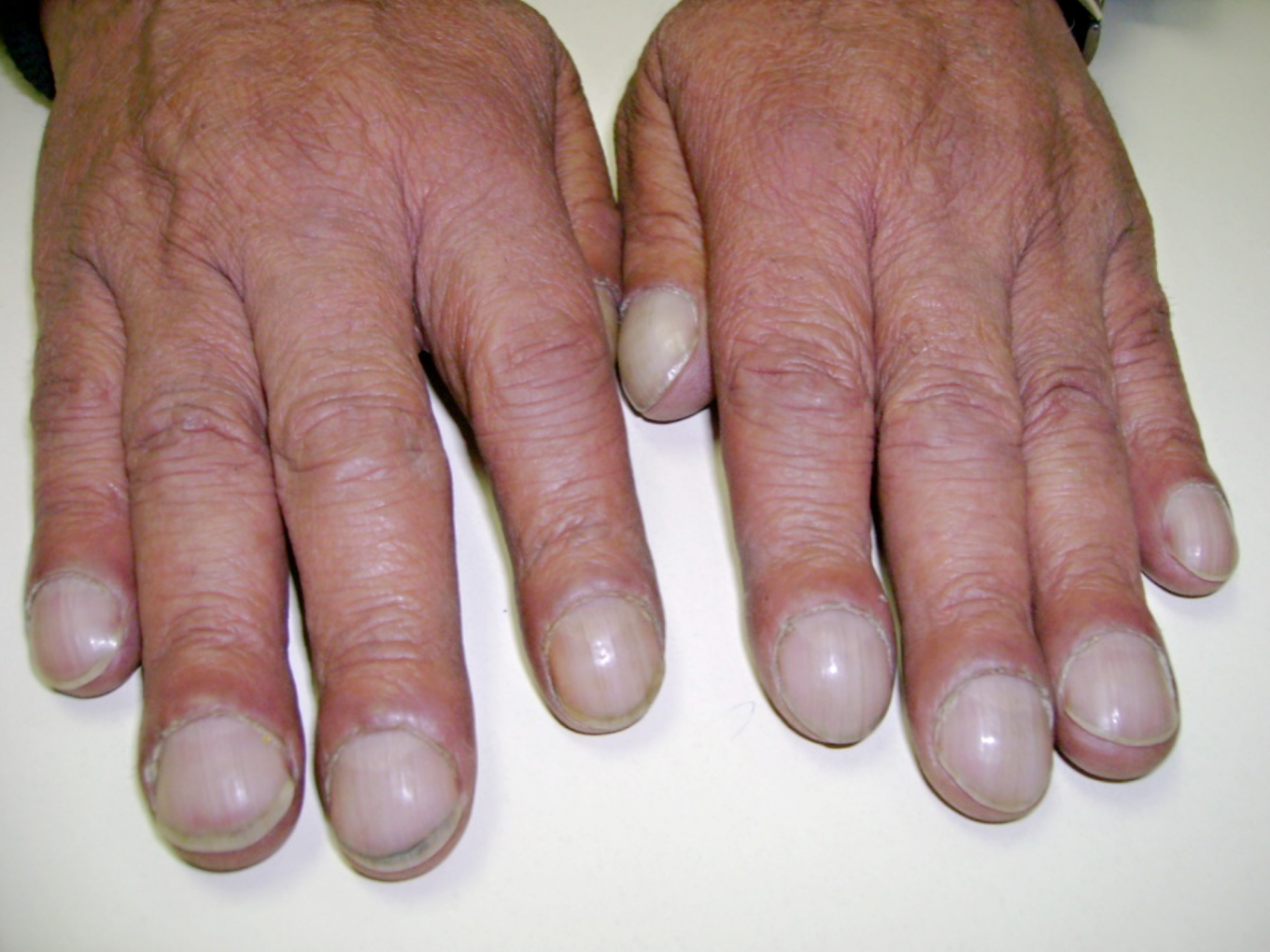
1. Finger Clubbing (Rounded, Bulging Fingertips)
One of the most well-known signs linked to lung conditions is finger clubbing. This is when the tips of your fingers become enlarged, and the nails curve downward, creating a rounded appearance.
What it looks like:
- Fingertips appear swollen or bulb-like
- Nails curve more than usual
- The angle between the nail and cuticle changes
Why it happens:
Clubbing is associated with low oxygen levels in the blood over time. In response, the body increases blood flow to the fingertips, causing tissue changes.
While not exclusive to lung cancer, clubbing is often seen in chronic lung diseases—and in some cases, it can be an early indicator worth investigating.
2. Changes in Nail Shape or Texture
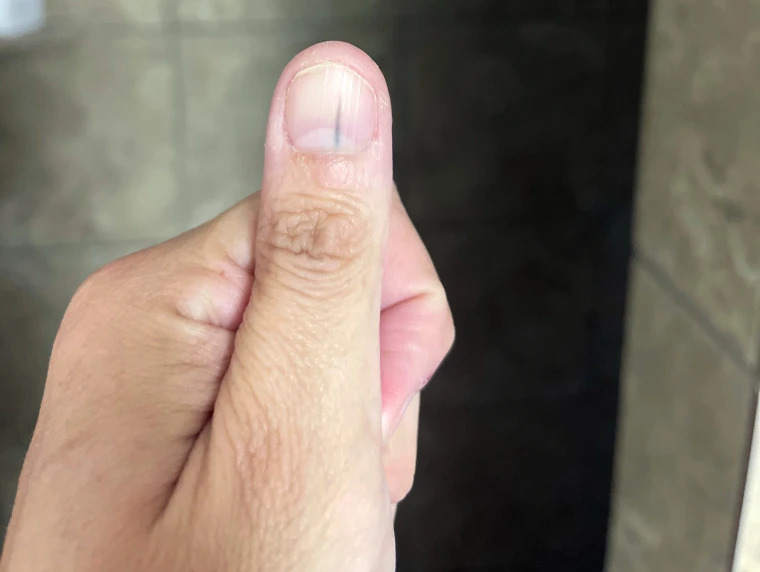
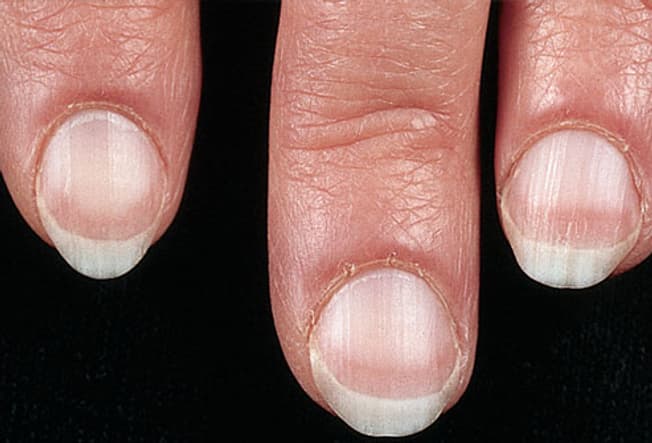
Your nails can also reflect internal health. In people with lung-related issues, nails may become:
- More curved or thickened
- Brittle or prone to splitting
- Smooth and shiny with loss of normal texture
These changes often develop gradually, which makes them easy to ignore. However, they can signal chronic oxygen deprivation or systemic stress.
3. Persistent Pain or Tenderness in Fingers
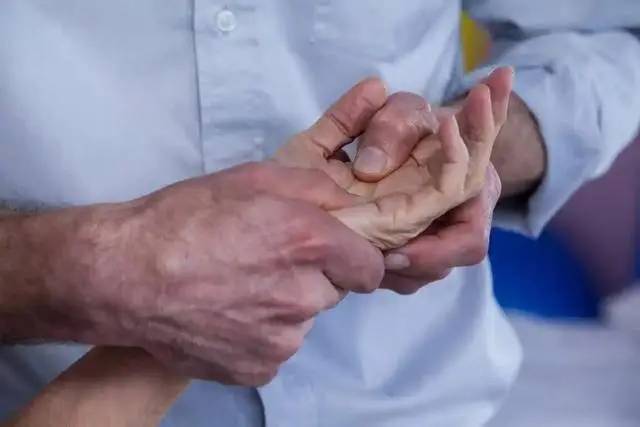
Unexplained pain in the fingers—especially if it’s ongoing—can sometimes be linked to a condition called hypertrophic osteoarthropathy (HOA). This is a rare syndrome associated with certain lung diseases, including lung cancer.
Symptoms may include:
- Aching pain in fingers or joints
- Swelling around fingertips
- Increased sensitivity to touch
This type of pain is not caused by injury, which is why it can be confusing for many people.
4. Swelling or Thickening Around the Fingertips
Another noticeable change is soft tissue swelling around the fingertips. This may accompany clubbing or occur on its own.
Signs to watch:
- Fingers appear thicker than usual
- Skin feels tight or stretched
- Rings may suddenly feel tighter
This swelling is often related to changes in blood flow and tissue growth triggered by underlying health conditions.
Why Do These Symptoms Appear?
The connection between the lungs and fingers lies in oxygen circulation and vascular changes. When the lungs are not functioning properly:
- Oxygen levels in the blood decrease
- Blood vessels may expand abnormally
- Growth factors stimulate tissue changes in extremities
These effects are most visible in areas like the fingers, where small changes become noticeable.
Important Reality Check
Let’s keep this grounded:
These finger symptoms do not automatically mean lung cancer. They can also be linked to:
- Chronic lung diseases (like COPD)
- Heart conditions
- Liver disorders
- Infections
However, when these signs appear without a clear cause and persist over time, they should not be ignored.
When Should You Take Action?
You should consider medical evaluation if:
- Finger shape changes noticeably over weeks or months
- You experience persistent finger pain without injury
- Nail structure changes significantly
- These symptoms appear alongside fatigue, cough, or breathing issues
Early detection is critical in managing serious conditions effectively.
What You Can Do Next
- Monitor changes in your fingers and nails
- Take note of any accompanying symptoms
- Maintain regular health check-ups
- Seek professional advice rather than self-diagnosing
Final Thought
Your body often sends subtle signals before more serious symptoms appear. Changes in your fingers might seem minor, but in some cases, they can reflect deeper issues - especially related to lung health.
The key is awareness, not panic. Recognizing these signs early gives you the opportunity to act, get checked, and protect your long-term health.