A growing belly is often blamed on weight gain, poor diet, or lack of exercise. And in many cases, that’s true. But not every enlarged abdomen is simply fat. Sometimes, it can be a sign of something more serious—such as Liver Disease.
Understanding the difference matters. While belly fat develops gradually and is largely influenced by lifestyle, certain liver-related conditions can cause abdominal swelling that looks similar—but behaves very differently.
Let’s break it down clearly so you can tell the difference without guessing.
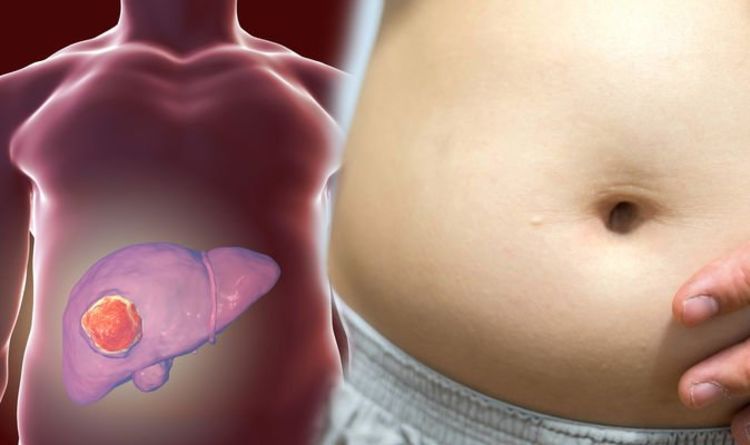
What Is Belly Fat?
Belly fat is the accumulation of fat tissue around the abdomen. It comes in two main types:
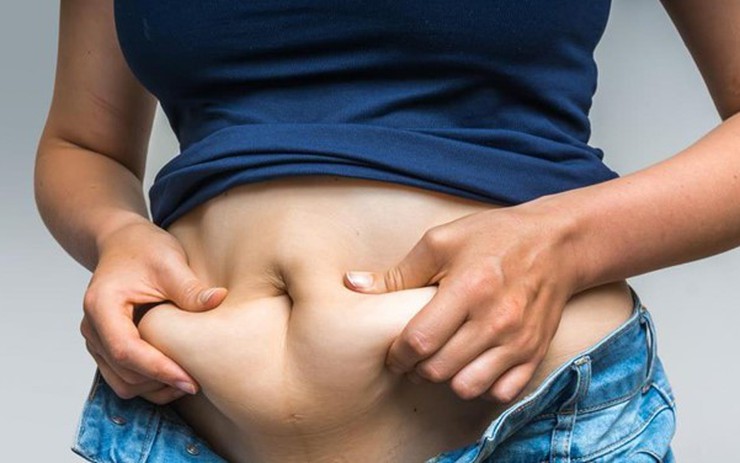
- Subcutaneous fat: Located just under the skin (soft and pinchable)
- Visceral fat: Found deeper, surrounding internal organs
Common causes:
- Excess calorie intake
- Sedentary lifestyle
- Hormonal changes
- Stress and poor sleep
Typical characteristics:
- Develops slowly over time
- Feels soft or slightly firm
- Size may fluctuate with diet and exercise
- Usually not painful
Belly fat is common and, to some extent, manageable through lifestyle changes.
What Is Abdominal Swelling from Liver Disease?
When liver function is impaired, fluid can accumulate in the abdominal cavity—a condition known as ascites. This is often associated with advanced liver conditions such as cirrhosis.
Unlike fat, this swelling is caused by fluid retention, not tissue growth.
Key Differences Between Belly Fat and Liver-Related Swelling
1. Speed of Appearance
- Belly fat: Builds up gradually over months or years
- Liver-related swelling: Can increase noticeably in a short period
If your abdomen seems to enlarge quickly without major lifestyle changes, it’s a red flag.
2. Texture and Feel
- Belly fat: Soft, compressible, and evenly distributed
- Ascites (fluid): Tight, stretched, and sometimes shiny
You may feel pressure rather than softness.
3. Associated Symptoms
Belly fat typically doesn’t come with systemic symptoms. But liver-related swelling may appear alongside:
- Fatigue
- Loss of appetite
- Nausea
- Yellowing of skin or eyes (jaundice)
- Swelling in legs or ankles
These are signs the body is under stress beyond simple weight gain.
4. Response to Diet and Exercise
- Belly fat: Can decrease with calorie control and physical activity
- Fluid buildup: Does not significantly change with exercise alone
If your abdomen doesn’t shrink despite consistent effort, it’s worth investigating further.
5. Breathing and Discomfort
- Belly fat: Rarely affects breathing unless extreme
- Ascites: Can cause discomfort, tightness, and even shortness of breath
This happens because fluid presses against internal organs.
Why Liver Disease Causes a Big Belly
The liver plays a critical role in:
- Filtering toxins
- Producing proteins
- Regulating fluid balance
When it becomes damaged, several things happen:
- Protein production decreases → fluid leaks into tissues
- Blood flow through the liver is disrupted
- Pressure builds in surrounding vessels
This leads to fluid accumulation in the abdomen, creating the appearance of a swollen belly.
When Should You Be Concerned?
You should not assume every large abdomen is dangerous—but certain signs should prompt attention:
- Rapid increase in abdominal size
- Tight, uncomfortable swelling
- Unexplained fatigue or weakness
- Yellowing of skin or eyes
- Swelling in other parts of the body
If these appear, it’s important to seek medical evaluation rather than self-diagnosing.
What You Can Do
If it’s likely belly fat:
- Improve diet (reduce processed foods and sugar)
- Increase physical activity
- Manage stress and sleep
If you suspect something more serious:
- Get liver function tests
- Consult a healthcare professional
- Avoid alcohol and liver-stressing substances
Final Thought
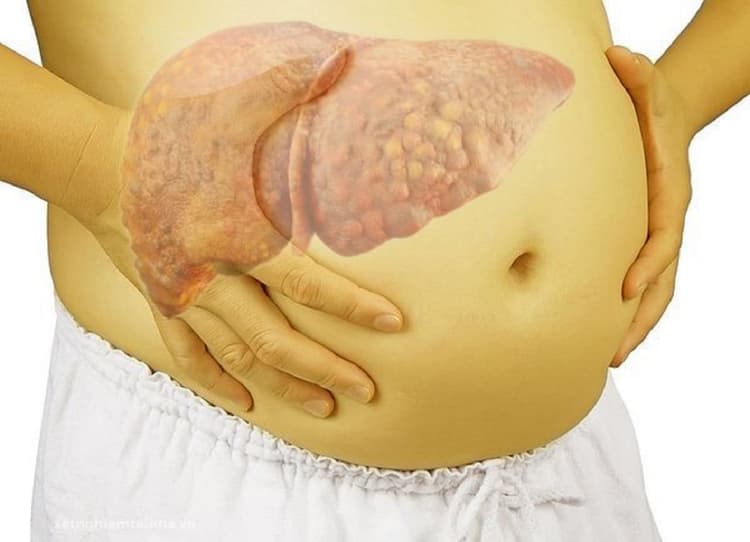
Not every big belly is just fat and assuming so can delay important care. While belly fat is common and manageable, liver-related abdominal swelling is a medical condition that requires attention.
The key is awareness. Pay attention to how your body changes - not just how it looks, but how it feels and behaves. That difference can tell you more than you think.