In many cases, the explanation is relatively simple. You may be sweating during the night, drooling in your sleep, or sleeping in a room that is too warm. However, certain medications, nasal congestion, and other health-related factors can also contribute to nighttime moisture.
The important thing is to look at the pattern. Is the pillow wet only occasionally, or does it happen almost every morning? Is the moisture concentrated near your mouth, or is your entire pillow damp? Do you also experience symptoms such as a blocked nose, excessive thirst, fever, or unusual night sweats?
Understanding these details can help you narrow down the possible causes and decide whether a simple change to your sleeping environment is enough or whether you should seek medical advice.
Here are 6 possible explanations for why your pillow may be wet every morning.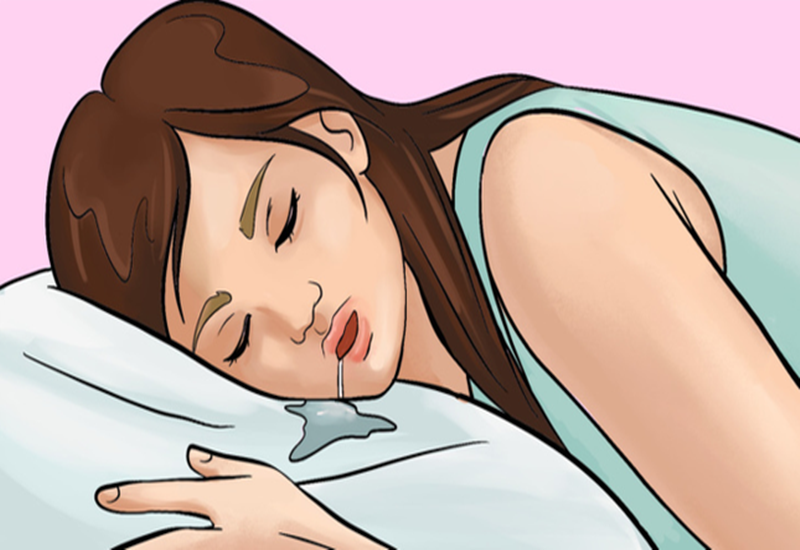
1. You May Be Drooling While You Sleep
One of the most common explanations for a wet pillow is nighttime drooling. Although many people associate drooling with babies or young children, adults can experience it too.
Saliva is produced continuously to keep the mouth moist and support normal oral health. During sleep, however, swallowing becomes less frequent, and the muscles involved in controlling saliva relax. If saliva collects near the lips and escapes from the mouth, it can leave a damp patch on the pillowcase.
Your sleeping position may make this more noticeable. People who sleep on their sides or stomachs may find that saliva escapes more easily because gravity allows it to flow toward the side of the mouth. Sleeping with the mouth open can also increase the likelihood of waking up with a wet pillow.
Nasal congestion is another possible contributor. When your nose is blocked by allergies, a cold, or sinus inflammation, you may breathe through your mouth more often. This can change how saliva is contained and swallowed during sleep.
In some cases, drooling may also be associated with certain medications or conditions that affect swallowing or muscle control. Occasional drooling is generally not a cause for concern, but a sudden and significant increase deserves attention.
What can you do?
Start by checking whether the damp area is concentrated near where your mouth rests. If you frequently have a blocked nose, address the congestion with appropriate treatment. Saline nasal spray may help with some forms of nasal dryness or congestion, while persistent allergy symptoms may require advice from a healthcare professional.
Changing your sleeping position may also help, although you should prioritize a comfortable position that allows you to breathe easily.
If drooling becomes persistent, interferes with your sleep, or is accompanied by difficulty swallowing, choking, or other new neurological symptoms, consult a healthcare professional. Sudden drooling together with facial weakness, difficulty speaking, or trouble swallowing requires emergency medical attention.
2. You Could Be Sweating More Than You Realize
Another possible reason is nighttime sweating. Your body naturally produces sweat to regulate temperature, and some moisture can accumulate around your head and neck while you sleep.
If your bedroom is warm, your blanket is too thick, or your pillow retains heat, you may sweat enough to dampen the fabric beneath your head. Memory foam and other dense pillow materials can sometimes feel warmer than more breathable alternatives, although the effect varies by product and individual.
Your sleepwear and bedding also matter. Synthetic fabrics that trap heat, heavy comforters, and multiple layers can make it harder for your body to release excess warmth. Even if the room feels comfortable when you first go to bed, the temperature beneath your bedding may become warmer during the night.
Hormonal changes can contribute as well. Some people experience hot flashes and night sweats during perimenopause or menopause. Other hormonal or medical conditions may also affect temperature regulation.