When you lie on your side or stomach, your face rests closer to the pillow, and gravity can influence where saliva flows. If your mouth remains open during sleep, moisture may collect on one side of the pillowcase.
People who sleep on their stomachs may also press their faces into the bedding, making small amounts of saliva more noticeable. The shape and height of a pillow can affect head and neck positioning, which may influence comfort and how easily you breathe through your nose.
Your pillow's material can make a difference too. Some fabrics absorb moisture quickly, while others allow it to spread across a larger area. A pillowcase may therefore look wetter than expected even when the amount of moisture is relatively small.
Still, sleeping position is only one possible explanation. If the pillow is repeatedly soaked, the room is cool, or you are experiencing other symptoms, it is important not to attribute everything to posture.
What can you do?
Notice whether the wet patch consistently appears on the same side of the pillow. If it does, your sleeping position may be contributing.
Experiment with a comfortable side-sleeping setup that supports your head and neck without forcing your face into the pillow. Choose a pillow that provides adequate support and does not make you feel excessively warm.
You can also use a clean, absorbent pillowcase and wash it regularly to prevent moisture and residue from accumulating.
Avoid using mouth tape to force your mouth closed, particularly if you have nasal congestion, snoring, or possible sleep apnea. Restricting mouth breathing without understanding why it occurs can be unsafe for some people.
If adjusting your position does not improve the problem, consider other possible causes rather than repeatedly changing pillows.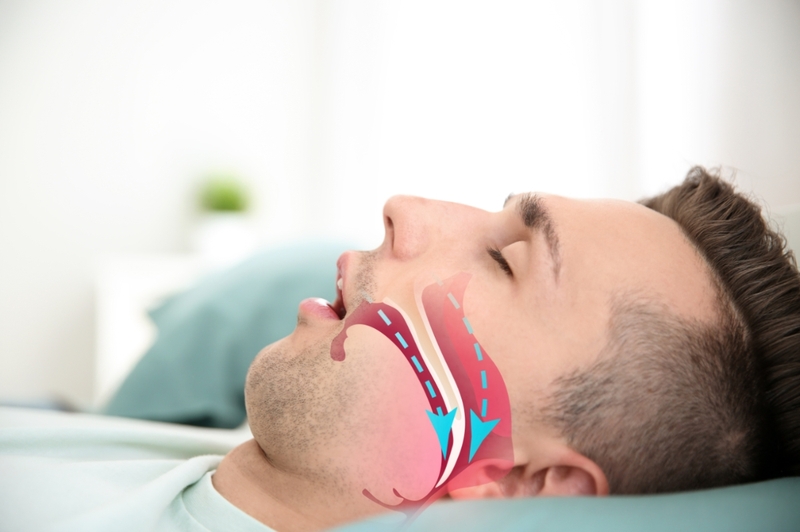
5. Certain Medications or Health Conditions May Be Involved
If your pillow has recently started becoming wet every morning, consider whether anything else has changed. New medications, changes in dosage, or the development of a health condition can sometimes affect sweating, saliva production, or swallowing.
Some medications may increase sweating. Others can influence saliva production or contribute to dry mouth, which may lead to more frequent mouth breathing. The effects vary depending on the drug, the dose, and the individual.
Medications used to treat certain psychiatric conditions, pain, hormonal symptoms, or other medical problems can sometimes affect sweating or saliva. This does not mean that every medication in these categories will cause the problem, but it may be worth reviewing your treatment if the timing matches.
Several health conditions can also produce nighttime symptoms. Infections and some hormonal disorders may cause increased sweating. Conditions that affect swallowing or muscle control can contribute to drooling. Reflux may cause throat irritation or coughing during the night, although it does not automatically explain a wet pillow.
Persistent or severe night sweats can occasionally be associated with more serious illnesses. However, a wet pillow alone is not enough to diagnose a particular condition, and many people with damp pillows have no underlying disease.
What can you do?
Think about when the problem began. Did it start after you began taking a new medication, changed a dose, developed allergies, or experienced another health change?
If you suspect a medication is responsible, speak with the prescribing clinician or pharmacist. Do not stop or change a prescribed medication on your own, because doing so may cause other problems.