5 Signs Your Body Doesn’t Tolerate Sleeping with a Fan On
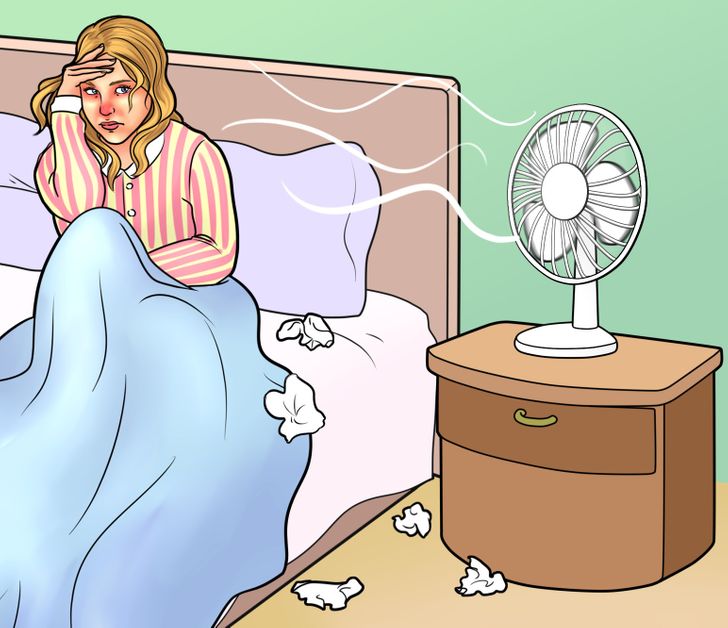
For many people, turning on a fan at night is a simple way to stay cool and fall asleep faster. The gentle breeze and white noise can create a comfortable sleep environment. However, not everyone reacts well to constant airflow. In some cases, your body may send warning signals that sleeping with a fan on is doing more harm than good.
Health experts note that while fans are generally safe, they can trigger mild but noticeable symptoms—especially in people with allergies or sensitivities.
Here are five common signs your body may not tolerate sleeping with a fan on:
1. You Wake Up With a Stuffy Nose or Congestion
Fans circulate air throughout the room, but they also move dust, pollen, and other allergens. This can irritate your nasal passages and lead to congestion or sinus discomfort.
If you often wake up with a blocked nose or headaches, your fan could be contributing—especially if it hasn’t been cleaned regularly.
2. Dry Throat or Mouth in the Morning
Continuous airflow can dry out your nose and throat overnight. This may cause irritation, soreness, or even coughing when you wake up.
If you frequently feel dehydrated or have a scratchy throat in the morning, the fan might be pulling moisture away from your airways.
3. Dry Eyes and Skin
Sleeping directly in front of a fan can lead to dryness in your eyes and skin. You may notice irritated eyes, tight skin, or even mild discomfort upon waking.
This is especially common in people who already have sensitive skin or spend long hours in air-conditioned environments.
4. Increased Allergy Symptoms
If you suffer from allergies, a fan can make things worse by continuously circulating allergens in your bedroom. Dust on fan blades can also be blown into the air, triggering sneezing, itchy throat, or watery eyes.
For allergy-prone individuals, this can significantly affect sleep quality.
5. Muscle Stiffness or Body Aches
Constant airflow directed at one area of your body can cause muscles to tighten during the night. Some people wake up with neck pain, shoulder stiffness, or cramps as a result.
This happens because cool air can make muscles contract slightly over long periods.
Should You Stop Sleeping with a Fan?
Not necessarily. Fans still offer benefits like cooling the room, improving air circulation, and providing soothing white noise that helps many people sleep better.
Instead of eliminating the fan completely, consider these simple adjustments:
- Keep the fan clean to reduce dust buildup
- Avoid direct airflow on your face or body
- Use a humidifier if the air feels too dry
- Position the fan farther away from your bed
The Bottom Line
Sleeping with a fan on isn’t harmful for most people, but your body may react differently. If you notice persistent dryness, congestion, or discomfort, it could be a sign that this habit isn’t right for you.
Listening to your body—and making small changes—can help you enjoy cooler nights without compromising your health.