Heart Blockage Doesn’t Always Start in the Chest: Nighttime Leg and Foot Signs You Shouldn’t Ignore
When people think about heart problems, they often imagine sudden chest pain or shortness of breath. However, doctors are warning that heart blockage can develop silently—and its earliest signs may appear far from the chest, especially in the legs and feet during the night.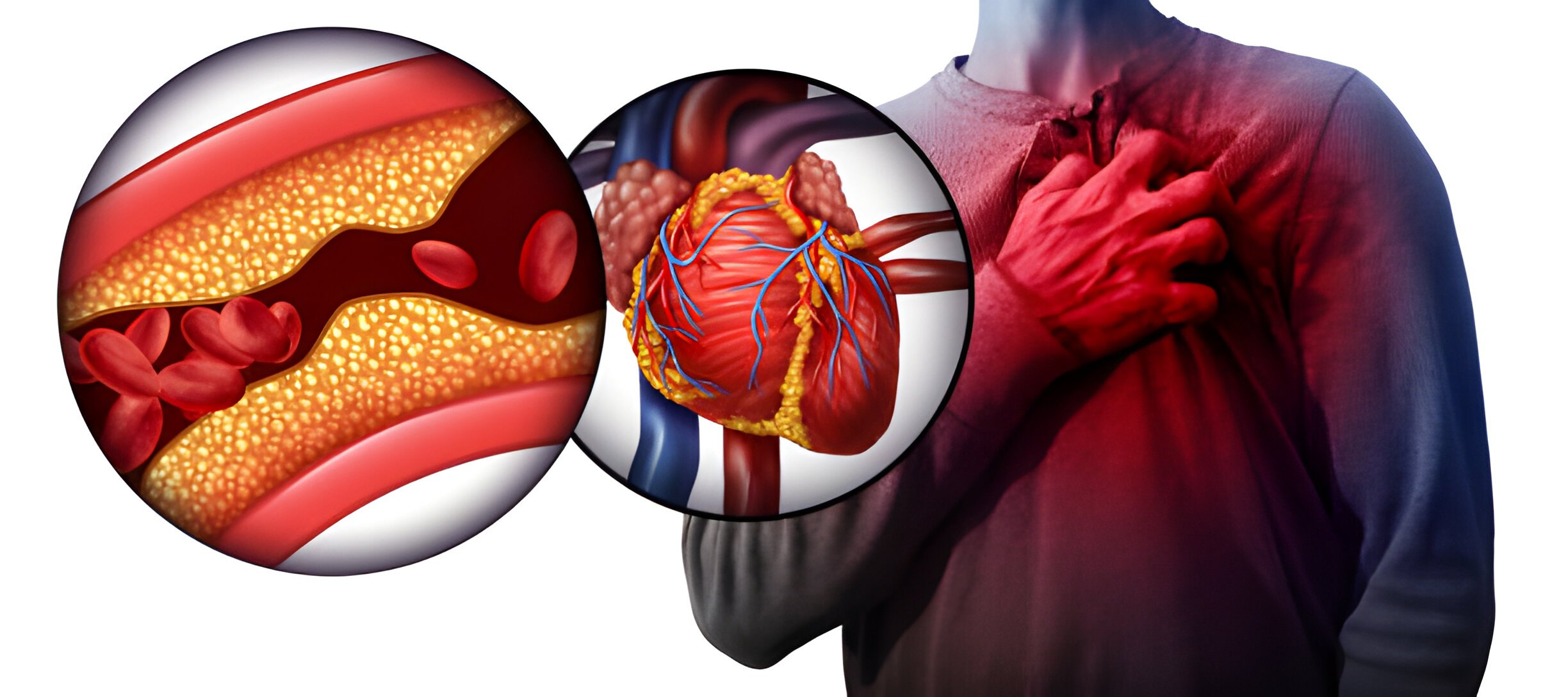
According to health experts, reduced blood flow caused by narrowed or blocked arteries can first affect the body’s extremities. Because the legs and feet are farthest from the heart, they are often the first places where circulation problems become noticeable.
Recognizing these subtle nighttime symptoms early could help prevent serious complications such as heart attack or stroke.
1. Nighttime Leg Pain or Cramping
One of the most common warning signs is leg pain or cramping that worsens at night.
When arteries are narrowed, muscles may not receive enough oxygen-rich blood. This can lead to aching, burning, or cramping sensations, particularly when lying down or resting.
If the discomfort eases when you change position or move your legs, it could be a sign of circulation problems linked to heart health.
2. Cold Feet and Legs While Sleeping
Do your feet feel unusually cold at night—even in a warm room?
This could indicate poor blood circulation, where blood struggles to reach the lower extremities efficiently. Reduced circulation often causes coldness in the feet and toes, especially during rest.
Persistent cold sensations shouldn’t be ignored, as they may signal underlying vascular issues.
3. Tingling, Numbness, or “Pins and Needles”
Many people experience occasional tingling, but frequent or recurring sensations—especially at night—can be more concerning.
These feelings occur when blood flow to nerves is reduced, leading to numbness or a “pins and needles” sensation in the legs or feet.
Over time, this may indicate worsening circulation and possible arterial blockage.
4. Swelling in the Legs or Ankles
Another important sign is swelling in the lower limbs, particularly noticeable in the evening or at night.
When circulation is impaired, fluid can build up in the tissues, causing visible swelling in the feet, ankles, or calves.
This symptom may be linked to vascular problems or even early heart dysfunction.
5. Heavy or Weak Feeling in the Legs
A persistent sensation of heaviness or weakness in the legs—especially when lying down—can also be a red flag.
Poor circulation means muscles are not receiving enough oxygen and nutrients, which can lead to fatigue and reduced strength.
If this feeling occurs regularly at night, it may be worth discussing with a healthcare provider.
Why These Symptoms Matter
Heart blockage often develops gradually due to plaque buildup in the arteries, a condition known as atherosclerosis. This process restricts blood flow not only to the heart but throughout the body.
Because the legs and feet are more sensitive to reduced circulation, they can serve as an early warning system—long before chest symptoms appear.
Final Thoughts
While these nighttime symptoms may seem minor or easy to dismiss, they could be early indicators of serious cardiovascular issues. The key is consistency and persistence—occasional discomfort may not be alarming, but repeated symptoms should not be ignored.
If you frequently experience leg pain, numbness, cold feet, or swelling at night, seeking medical advice early could make a life-saving difference.