
Bell Peppers: Health Benefits and Potential Drawbacks You Should Know
Bell peppers are a colorful and popular ingredient found in kitchens around the world. Known for their crisp texture and sweet flavor, they are often praised as a healthy addition to daily meals. However, experts point out that while bell peppers offer many nutritional benefits, there are also some limitations to consider—especially when consumed in excess or by sensitive individuals.
Nutritional Powerhouse Packed with Vitamins
Bell peppers, especially red ones, are rich in essential nutrients. They are an excellent source of vitamin C, which helps boost the immune system and protect the body from infections. In fact, a single serving can provide more vitamin C than an orange.
They also contain:
- Vitamin A, important for eye health
- Antioxidants like beta-carotene and lutein
- Fiber, which supports digestion
These nutrients work together to help reduce inflammation, improve skin health, and support overall well-being.
Supports Heart and Eye Health
Regular consumption of bell peppers may contribute to better cardiovascular health. The antioxidants found in peppers help reduce oxidative stress, which is linked to heart disease.
Additionally, compounds such as lutein and zeaxanthin play a key role in protecting the eyes from age-related issues, including macular degeneration.
A Weight-Friendly Food
Bell peppers are low in calories and high in water content, making them an ideal food for people trying to maintain or lose weight. They can add volume and flavor to meals without significantly increasing calorie intake.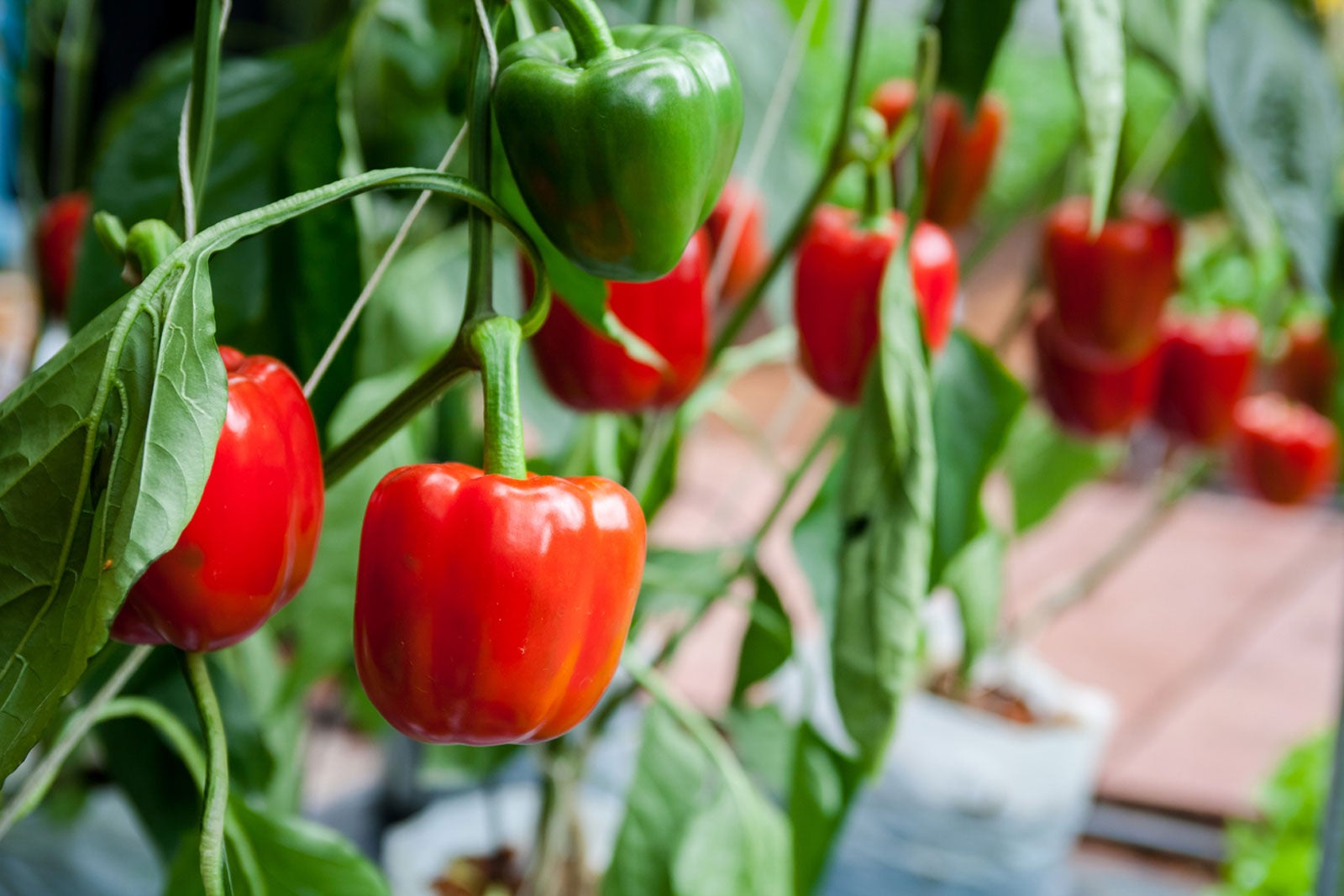
Potential Downsides to Be Aware Of
Despite their benefits, bell peppers are not suitable for everyone. Experts highlight several possible drawbacks:
1. Digestive Discomfort
Some people may experience bloating, gas, or stomach irritation after eating bell peppers, especially when consumed raw. Their outer skin can be difficult to digest for certain individuals.
2. Sensitivity in People with Acid Reflux
Although not highly acidic, bell peppers may trigger discomfort in people who suffer from acid reflux or sensitive stomachs.
3. Possible Allergic Reactions
In rare cases, some individuals may be allergic to bell peppers, leading to symptoms such as itching, swelling, or digestive upset.
4. Pesticide Exposure
Like many vegetables, bell peppers may carry pesticide residues if not properly washed or sourced from reliable suppliers. Choosing organic or washing thoroughly can help reduce this risk.
How to Consume Bell Peppers Safely
To maximize benefits and reduce potential risks, experts recommend:
- Washing peppers thoroughly before use
- Cooking them lightly to improve digestibility
- Removing the skin if you have a sensitive stomach
- Eating them in moderation rather than excessive amounts
The Bottom Line
Bell peppers are a nutritious and versatile vegetable that can support overall health when included as part of a balanced diet. However, like many foods, they are best consumed mindfully.
Understanding both the advantages and limitations can help you make smarter dietary choices and avoid unwanted side effects.