“High-Risk” Vegetables Still Eaten Daily? What Experts Say About Potential Can.cer Concerns
Vegetables are widely known as essential for good health. However, some recent reports have raised concerns about certain commonly consumed vegetables that may pose risks under specific conditions—especially when prepared or stored incorrectly.
Health discussions online often refer to a so-called “high cancer risk list,” warning that everyday foods could become harmful. But what do these claims actually mean?
The Hidden Risk Isn’t Always the Vegetable Itself
Experts emphasize that vegetables themselves are not inherently dangerous. In fact, most research shows the opposite—regular vegetable consumption is associated with better overall health and may even help protect against certain cancers.
However, problems may arise due to how vegetables are handled, cooked, or stored.
1. Leftover Leafy Greens Stored Overnight
One of the most commonly mentioned concerns involves leafy greens like spinach or bok choy.
These vegetables naturally contain nitrates. When cooked and left overnight—especially at room temperature—these compounds may convert into nitrites and eventually into nitrosamines, substances linked to cancer in some studies.
Reheating these foods multiple times may increase the risk further.
Key takeaway:
Freshly cooked vegetables are generally safe, but repeated reheating or improper storage can be problematic.

2. Pickled or Heavily Processed Vegetables
Vegetables that are pickled, salted, or fermented with high sodium levels are also frequently discussed.
Excess salt intake has been associated with increased risk of certain cancers, particularly stomach cancer. While the vegetables themselves are nutritious, the preservation process may introduce harmful factors when consumed in large amounts.
3. Vegetables Cooked at Extremely High Temperatures
Cooking methods matter. When vegetables are charred, burnt, or cooked at very high heat, they may produce harmful compounds.
Although this is more commonly associated with meats, overcooking vegetables can still reduce their nutritional value and potentially create unwanted chemical byproducts.
4. Contaminated or Poor-Quality Produce
Another overlooked factor is pesticide residue or contamination.
Vegetables grown in polluted environments or treated with excessive chemicals may carry substances that could pose long-term health risks if not properly washed or sourced carefully.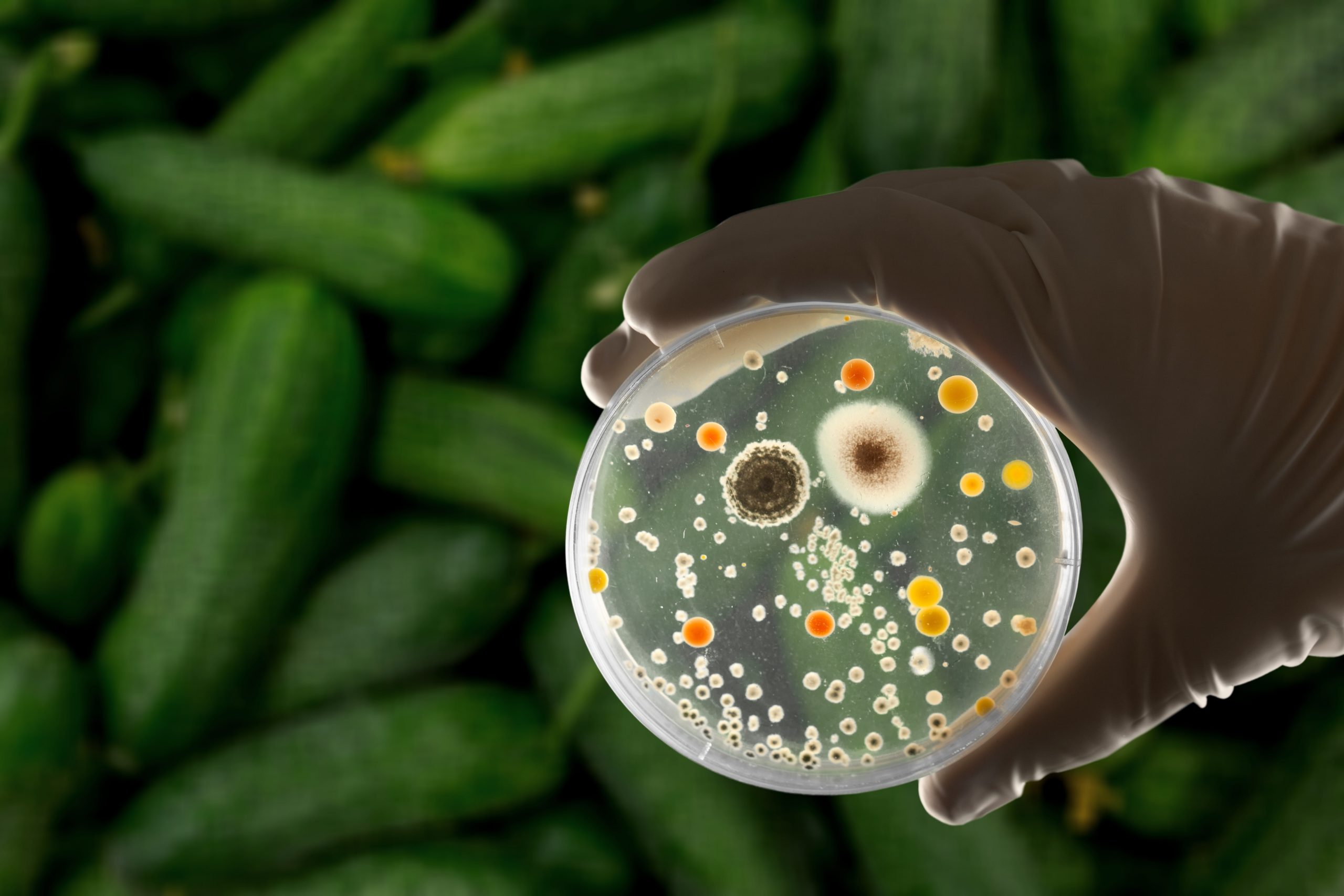
What Science Actually Says
Despite these warnings, major health organizations continue to recommend eating a wide variety of vegetables daily.
Vegetables are rich in fiber, vitamins, and antioxidants that help protect cells from damage and support overall health.
Some vegetables—especially cruciferous types like broccoli and cabbage—even contain compounds that may help reduce cancer risk, according to scientific research.
In other words, the issue is not vegetables themselves—but habits around them.
Final Thoughts
The idea that “common vegetables cause cancer” is often misleading or oversimplified.
The real message from experts is clear:
- Eat vegetables regularly
- Prepare them properly
- Avoid improper storage or excessive processing
By focusing on these habits, you can enjoy the benefits of vegetables without unnecessary risk.