Preventing Blood Clots: 5 Habits Everyone Should Adopt
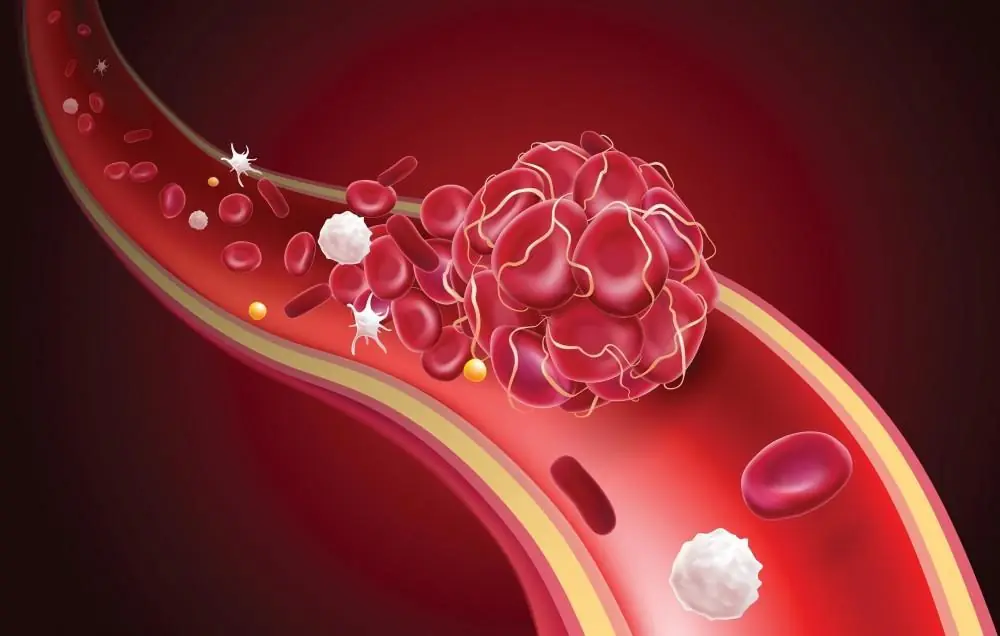
Blood clots are a serious health concern because they can block normal blood flow and lead to complications such as deep vein thrombosis (DVT), stroke, or pulmonary embolism. While some risk factors—like genetics or certain medical conditions—cannot be changed, many everyday habits can significantly reduce the risk.
Here are five simple but important habits that can help support healthy circulation and lower your risk of blood clots.
1. Stay Physically Active
Regular movement is one of the most effective ways to keep blood flowing smoothly. Sitting or lying down for long periods can slow circulation, increasing the chance of clot formation.
Simple activities such as walking, stretching, or light exercise can make a big difference. If you have a desk job or travel frequently, try to stand up and move every hour.
2. Stay Well Hydrated

Dehydration can make blood thicker and more prone to clotting. Drinking enough water throughout the day helps maintain healthy blood consistency and supports overall circulation.
Aim to drink water regularly, especially in hot weather, during exercise, or when traveling long distances.
3. Avoid Long Periods of Sitting or Immobility
Extended inactivity—such as during long flights, road trips, or work hours—can slow blood flow in the legs. This increases the risk of clot formation, particularly in the lower limbs.
To reduce risk, try:
- Standing and stretching every 1–2 hours
- Flexing your ankles and legs while sitting
- Walking whenever possible during breaks or travel
4. Maintain a Healthy Weight
Being overweight can increase pressure on veins and affect circulation, raising the risk of blood clots. A balanced diet and regular physical activity can help maintain a healthy weight and support vascular health.
Focus on whole foods such as vegetables, fruits, lean proteins, and whole grains while limiting processed and high-fat foods.
5. Don’t Smoke

Smoking damages blood vessels and makes blood more likely to clot. It also reduces oxygen levels in the blood, further increasing health risks.
Quitting smoking is one of the most powerful steps you can take to improve circulation and reduce the risk of serious cardiovascular problems.
Final Thoughts
Blood clot prevention is largely about lifestyle. Small, consistent habits—like staying active, drinking enough water, and avoiding long periods of inactivity—can have a major impact on your long-term health.
If you have a personal or family history of clotting disorders, or if you notice symptoms such as swelling, pain, or sudden shortness of breath, seek medical attention immediately.
Taking care of your circulation today can help protect your health in the future.