Mulberries: A Nutrient-Rich Fruit That May Support Healthy Aging
Mulberries are a small, sweet fruit that grows widely in many countryside regions around the world. Though often overlooked compared to more popular berries, mulberries are rich in nutrients and plant compounds that may support overall health, including healthy aging.
Rather than being a “miracle anti-aging fruit,” mulberries are best understood as a nutrient-dense food that can be part of a balanced diet.
What Makes Mulberries Special?
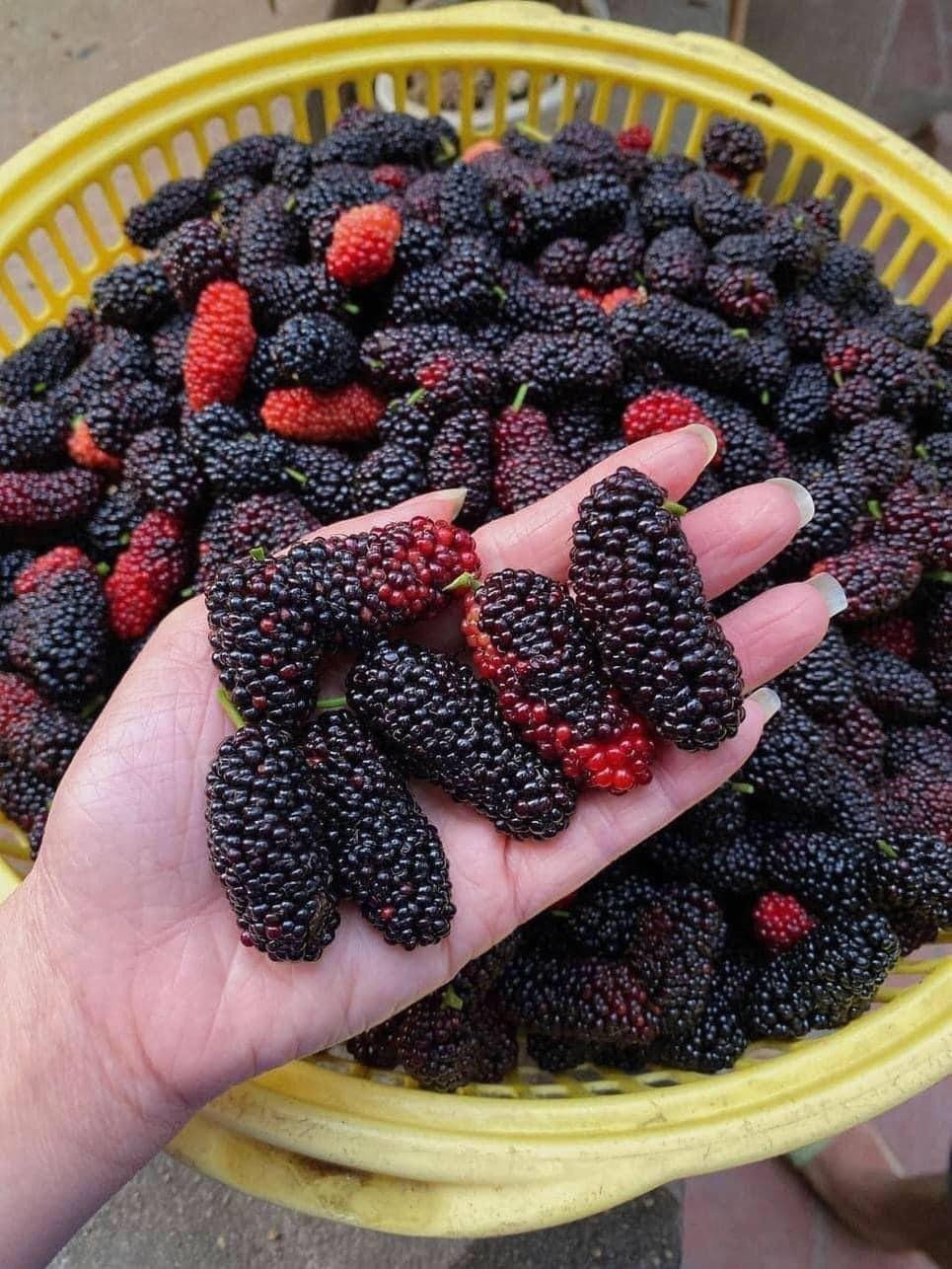
Mulberries come in different varieties (white, red, and black), and all contain a mix of beneficial nutrients, including:
- Vitamin C
- Vitamin K
- Iron
- Fiber
- Antioxidants such as anthocyanins (especially in dark-colored mulberries)
These nutrients play important roles in immune support, digestion, and cellular protection.
Potential Benefits of Mulberries
1. Rich in Antioxidants
Mulberries contain antioxidants like anthocyanins and resveratrol, which help protect cells from oxidative stress. Oxidative stress is linked to aging and many chronic diseases.
📌 Research suggests that diets rich in antioxidant-containing fruits may support long-term health and aging processes.
2. May Support Heart Health
Mulberries contain fiber and plant compounds that may help support healthy cholesterol levels and blood circulation. Some studies indicate that mulberry extracts may positively influence lipid metabolism.
3. Supports Blood Sugar Balance
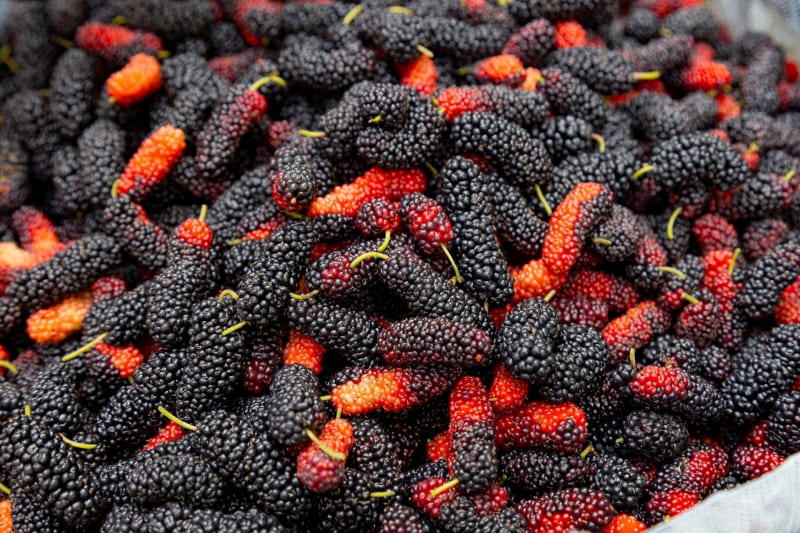
Certain compounds in mulberries, particularly white mulberry, have been studied for their potential role in slowing carbohydrate absorption, which may help support healthy blood sugar levels.
📌 Some research shows mulberry leaf compounds may help reduce post-meal blood glucose spikes.
4. Good for Digestive Health
Thanks to their fiber content, mulberries can help support regular digestion and gut health. Fiber also plays a role in maintaining a healthy microbiome.
5. May Support Skin and Aging Health
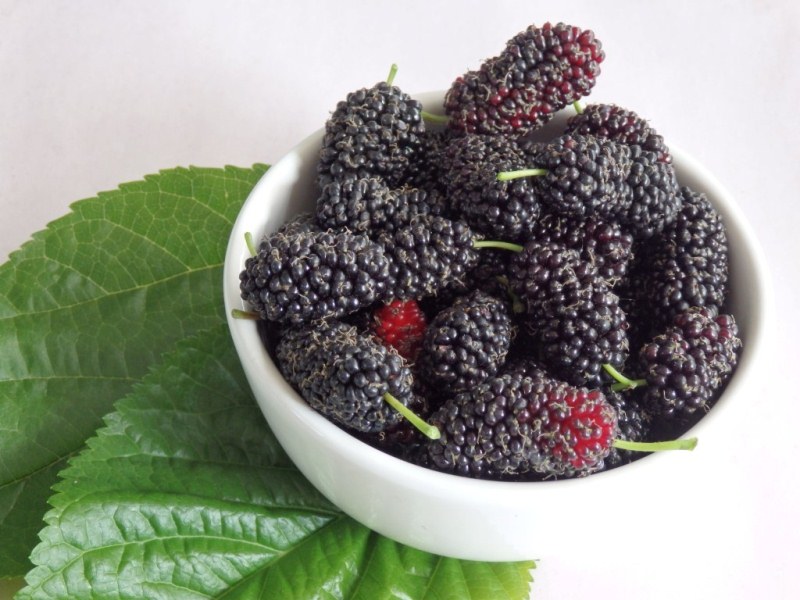
Vitamin C and antioxidants in mulberries support collagen production and help protect skin cells from environmental damage, both of which are important for maintaining skin health over time.
Important Notes
While mulberries are nutritious, they are not a treatment or cure for aging or disease. Their benefits come from regular inclusion in a balanced diet, not from consuming them in excess.
People with diabetes or those taking blood sugar medication should also consume them in moderation due to their natural sugar content.
Final Thoughts
Mulberries are a simple, affordable, and nutrient-rich fruit that can support general wellness. Their antioxidants, vitamins, and fiber make them a healthy addition to the diet, especially when part of a varied intake of fruits and vegetables.
Rather than viewing them as a “super anti-aging fruit,” it’s more accurate to see mulberries as one piece of a healthy lifestyle that includes balanced nutrition, regular exercise, and good sleep.