Doctors Reveal 7 Science-Backed Benefits of Eating Cashews Regularly
What happens to your body when you eat cashews regularly? These small, curved nuts may offer more than a delicious crunch. Hidden inside every handful is a combination of healthy fats, plant-based protein, essential minerals, and natural compounds that help support several important functions in the human body.
For many people, cashews are simply a snack enjoyed between meals or an ingredient added to desserts, salads, and stir-fries. But nutrition researchers have been examining whether these popular nuts could also play a useful role in maintaining heart health, supporting muscles, improving the quality of a balanced diet, and helping people manage their appetite.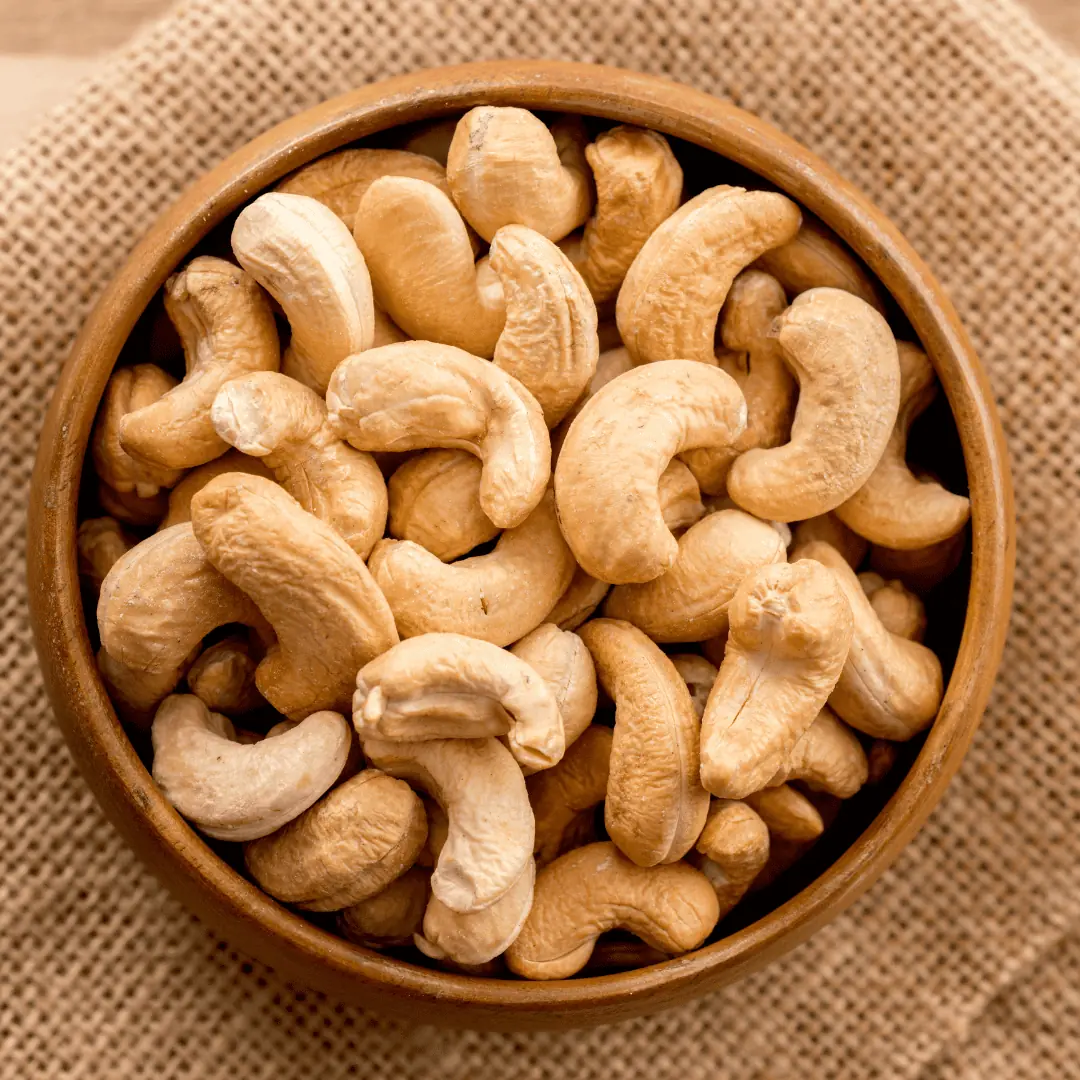
The answer is more interesting than many people expect.
Cashews are not a miracle food, and eating them cannot replace medical treatment or guarantee protection against disease. However, when consumed in appropriate portions as part of a healthy eating pattern, they can provide nutrients that the body needs every day.
In this article, we will explore seven potential benefits of eating cashews regularly, explain what scientific studies have discovered, and examine how to enjoy them without accidentally consuming too much salt, sugar, or calories.
The first benefit concerns one of the most important organs in the body. The second explains why a food that contains considerable fat may still fit into a healthy weight-management plan. And the later sections reveal why cashews deserve attention for their mineral content, even though they are often overlooked in favor of other nuts.
Chapter 1: Why Cashews Are More Nutritious Than Many People Realize
Before examining individual health benefits, it is helpful to understand what makes cashews different from ordinary snack foods.
Cashews are the edible seeds of the cashew tree, scientifically known as Anacardium occidentale. The tree is native to tropical regions of South America but is now cultivated in many warm parts of the world.
The familiar cashew nut grows outside the fruit, attached to the bottom of a fleshy structure commonly called the cashew apple. After harvesting, the nut must be processed carefully because its outer shell contains irritating substances. Commercial cashews are therefore sold after appropriate processing, usually as raw-style, roasted, salted, or seasoned kernels.
Despite their relatively small size, cashews contain a concentrated combination of nutrients.
A one-ounce serving, approximately 28 grams, provides around 155 to 165 calories, depending on the variety and preparation. It also supplies roughly 5 grams of protein, about 12 grams of fat, and a small amount of dietary fiber.
The majority of the fat in cashews is unsaturated fat, including monounsaturated and polyunsaturated fatty acids. These types of fats are generally considered preferable to large amounts of saturated fat when they replace less healthy fat sources in the diet.
Cashews also contain several important minerals.
Magnesium helps muscles and nerves function normally. Copper supports iron metabolism and the formation of connective tissue. Zinc contributes to immune function and wound healing. Phosphorus helps maintain bones and supports energy-related processes inside cells.
Cashews also provide smaller amounts of iron, potassium, and other nutrients.
One particularly interesting feature is their copper content. Copper is needed in relatively small quantities, but the body depends on it for several essential processes. A serving of cashews can contribute a substantial amount of the daily requirement.
Their nutritional value is not limited to minerals. Cashews contain plant compounds, including polyphenols and other antioxidant-related substances, although the exact amounts vary according to growing conditions, processing, and storage.
This combination makes cashews a nutrient-dense food. In other words, they provide useful nutrients in a relatively small portion.
That does not mean that eating unlimited quantities is beneficial. Cashews are energy-dense, and portions matter. But replacing a highly processed snack with a moderate serving of unsalted cashews can improve the overall nutritional quality of a person's diet.
The important point is that cashews should not be judged by their calorie content alone. Their nutritional contribution depends on what they replace and how they are incorporated into everyday meals.
Chapter 2: Benefit Number One — Cashews May Support Heart Health
Heart health is one of the most frequently discussed reasons for including nuts in a balanced diet.
The heart and blood vessels depend on many factors, including blood pressure, cholesterol levels, physical activity, smoking status, genetics, and overall dietary habits.
Cashews cannot control all of these factors, but their nutritional composition may support some aspects of cardiovascular health.
One of the most important characteristics of cashews is their content of unsaturated fats.
When unsaturated fats replace certain sources of saturated fat in the diet, they can help improve blood cholesterol levels. This is important because elevated LDL cholesterol is associated with an increased risk of cardiovascular disease.
Cashews also provide plant-based protein and minerals that contribute to a varied eating pattern.
A controlled feeding study published in 2017 examined the effects of including cashews in the diets of adults with elevated or potentially elevated LDL cholesterol. Participants consumed diets containing cashews or a comparison snack over separate study periods.
The researchers reported that the cashew-containing diet produced more favorable changes in total cholesterol and LDL cholesterol than the comparison diet.
However, the results should be interpreted carefully. The study involved a relatively small number of participants and lasted only a few weeks. It did not demonstrate that cashews prevent heart attacks or cure high cholesterol.
Other controlled research has found more mixed results. A 2019 study involving adults who consumed cashews daily did not find significant improvements in several major cardiovascular risk markers compared with the control diet.
These differences are important because they show that the benefits of cashews are not guaranteed to be identical for everyone.