Cashews can contribute to that dietary variety, but they should be combined with other nutritious foods and regular physical activity.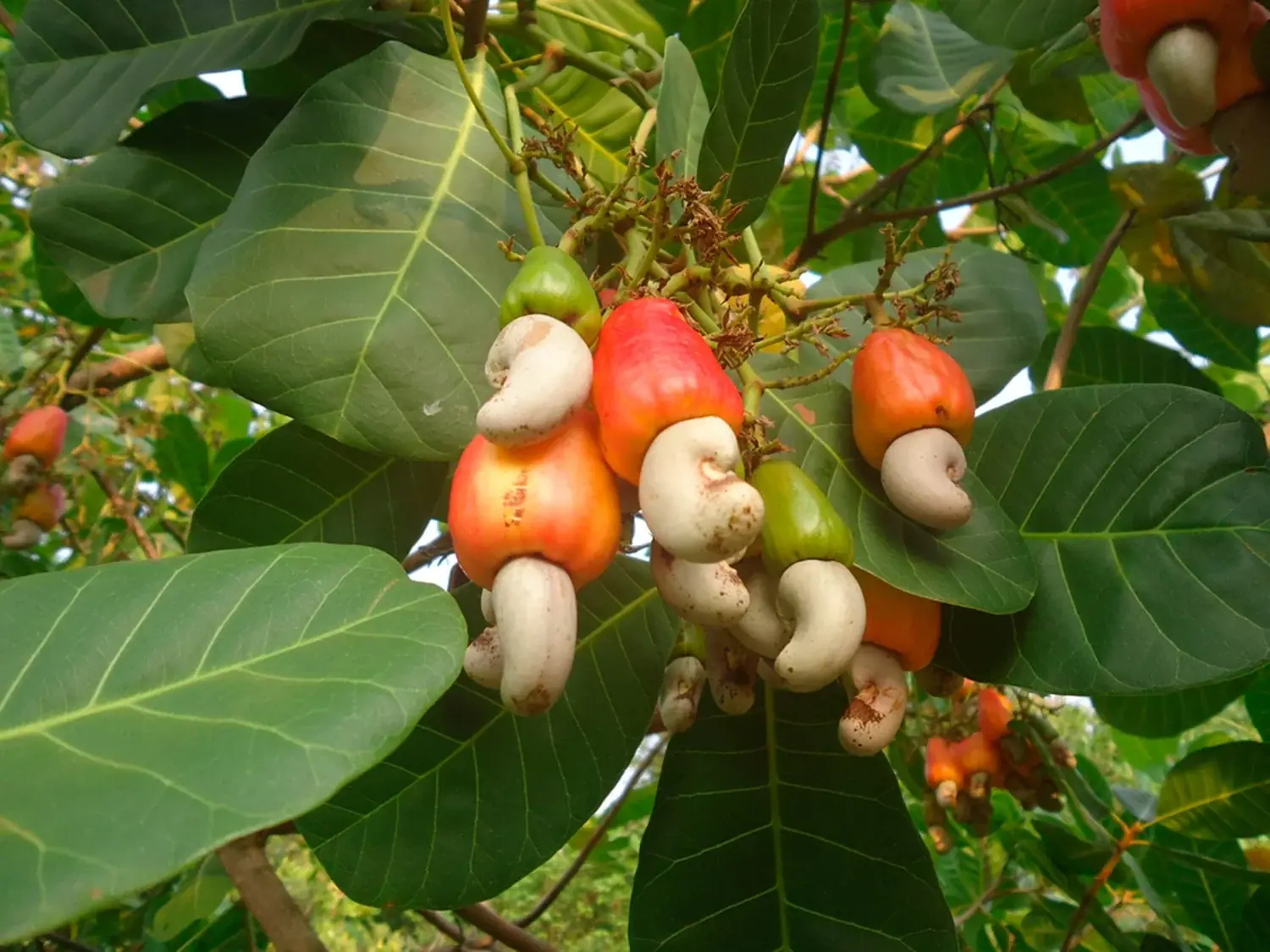
Chapter 5: Benefit Number Four — They Support Normal Energy Metabolism
Feeling tired is one of the most common complaints in everyday life.
People often search for foods that promise immediate energy, but the body's energy system is much more complicated than simply eating a particular ingredient.
Cashews provide several nutrients involved in normal energy metabolism.
One of these is copper.
Copper helps the body use iron and supports the function of enzymes involved in energy production. It is also involved in the formation of connective tissue and the normal functioning of the nervous system.
A copper deficiency can interfere with several important processes, although such a deficiency is uncommon in people who eat a varied diet.
Cashews are particularly notable because they provide a substantial amount of copper in a relatively small serving.
Magnesium is another nutrient involved in energy metabolism.
Cells use a molecule called adenosine triphosphate, or ATP, to transfer energy. Magnesium participates in many reactions involving ATP.
This does not mean that magnesium-rich foods act like caffeine or produce an immediate burst of alertness.
Instead, adequate magnesium helps the body carry out normal metabolic processes.
Cashews also provide carbohydrates, protein, and fat.
The carbohydrates can contribute energy, while the fat provides a concentrated source of calories. Protein supports the maintenance of body tissues and can be used for energy when needed.
Because cashews contain several nutrients together, they can be a convenient snack for people who need something more substantial than a sugary drink.
For example, someone who spends several hours working or traveling may find a small serving of cashews useful between meals.
However, persistent fatigue should not automatically be blamed on poor nutrition.
Anemia, thyroid problems, sleep disorders, infections, medication effects, and many other conditions can cause tiredness.
Cashews cannot diagnose or treat these conditions.
If fatigue is persistent, severe, or accompanied by other symptoms, medical evaluation is more appropriate than simply increasing nut consumption.
The practical benefit of cashews is that they contribute nutrients required for normal metabolism.
They are not an energy medicine, but they can be part of a diet that supports the body's everyday energy needs.
Chapter 6: Benefit Number Five — Cashews Provide Zinc and Copper for Normal Immune Function
The immune system is a complex network of cells, tissues, and chemical signals that protects the body against harmful microorganisms.
Its function depends on many factors, including genetics, sleep, physical activity, age, and nutritional status.
Several minerals play important roles in maintaining normal immune function.
Cashews provide zinc and copper, two minerals that contribute to the body's normal physiological processes.
Zinc is involved in the development and activity of immune cells.
It also supports wound healing, protein synthesis, and DNA production.
A zinc deficiency can impair immune function, but consuming extra zinc beyond what the body needs does not automatically make the immune system stronger.
The same principle applies to copper.
Copper contributes to the activity of certain enzymes involved in antioxidant defense and other biological processes.
It also plays a role in maintaining normal connective tissue and supporting the nervous system.
A varied diet that includes foods containing these minerals can help reduce the risk of inadequate intake.
Cashews are one possible source, alongside beans, whole grains, seeds, seafood, meat, and other foods.
The immune system also depends on adequate protein.
Cashews contain plant-based protein, which contributes amino acids used to build and maintain body tissues.
However, cashews are not a complete substitute for all protein sources in the diet. They can be combined with legumes, grains, dairy products, eggs, or other foods according to individual dietary preferences.
There is no evidence that eating cashews regularly guarantees protection against infections.
They should not be promoted as a treatment for colds, influenza, or other illnesses.
The more accurate conclusion is that cashews contribute nutrients that help the body maintain normal immune function when consumed as part of an adequate diet.
For most healthy adults, the best approach is to obtain these nutrients from a variety of foods rather than relying heavily on one ingredient.
Cashews can make that variety easier and more enjoyable.
Chapter 7: Benefit Number Six — They May Fit Into a Blood-Sugar-Conscious Eating Plan
Blood sugar management is an important concern for people with diabetes and for those who want to maintain healthy eating habits.
Cashews contain carbohydrates, so they are not carbohydrate-free.
However, they also provide fat, protein, and fiber, which can influence how a meal is digested and how satisfying it feels.
When cashews are eaten in moderate portions alongside other foods, they may fit into a balanced eating pattern.
Some research has examined cashew consumption among adults with type 2 diabetes.
In one 12-week randomized study involving Asian Indian adults with type 2 diabetes, participants were assigned to follow a standard dietary plan or a similar plan that included a daily serving of cashews.
The researchers found some favorable changes in certain cardiovascular measurements in the cashew group.
However, they did not observe significant differences in all blood-sugar-related outcomes.
This is an important distinction.
Cashews may be compatible with a diabetes-conscious diet, but the evidence does not establish that they lower blood glucose in every person or that they can replace diabetes medication.
The carbohydrate content of cashews still needs to be considered.
People who monitor carbohydrate intake should account for the portion they eat, especially if cashews are combined with other carbohydrate-rich foods.
Unsalted cashews may also be preferable for people who are trying to reduce sodium intake.
A practical way to include cashews is to add a small portion to a meal containing vegetables, protein, and an appropriate amount of whole grains or other carbohydrate sources.