Experts Warn: Eating Too Much of This Common Food Could Harm Your Thyroid
Health experts are raising concerns about a commonly consumed food that, when eaten in excess, may negatively impact thyroid function—a vital system responsible for regulating metabolism, energy levels, and overall hormonal balance.
While the food in question is often considered healthy and widely included in daily diets, specialists caution that overconsumption may interfere with the thyroid’s ability to function properly, especially in individuals with underlying conditions.
The Thyroid’s Crucial Role in the Body
The thyroid gland plays a key role in producing hormones that control metabolism, heart rate, and body temperature. When this gland becomes disrupted, it can lead to conditions such as hypothyroidism (underactive thyroid) or hyperthyroidism (overactive thyroid).
Experts emphasize that diet is one of the most important factors influencing thyroid health.
How Certain Foods Can Disrupt Thyroid Function
According to specialists, some foods contain compounds that may interfere with iodine absorption, a mineral essential for thyroid hormone production.
For example, foods rich in natural substances known as goitrogens can block the thyroid’s ability to use iodine effectively when consumed in large quantities. This may gradually impair hormone production and lead to imbalances.
Additionally, certain foods—though nutritious—can negatively affect the thyroid if eaten excessively or improperly prepared.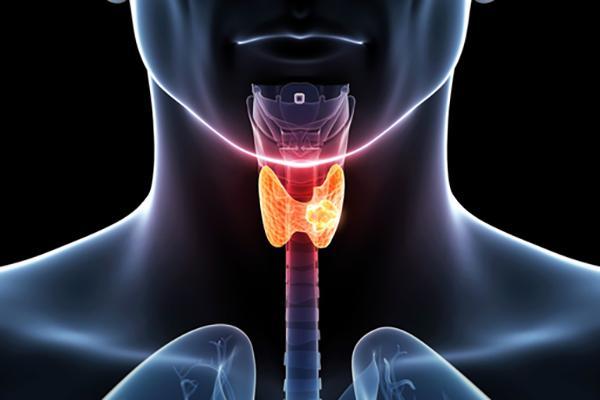
Common Dietary Triggers to Watch
Experts highlight several types of foods that may pose risks when consumed too frequently:
1. Soy-Based Products
Soy contains compounds called isoflavones, which may interfere with thyroid hormone production and absorption—especially in people with iodine deficiency.
2. Raw Cruciferous Vegetables
Vegetables like broccoli, cabbage, and cauliflower are healthy, but when eaten raw in large amounts, they may hinder iodine uptake and disrupt thyroid activity.
3. Highly Processed Foods
Processed foods high in sugar, unhealthy fats, and sodium can increase inflammation and worsen thyroid-related conditions.
4. Excess Iodine Intake
While iodine is essential, too much of it—especially from supplements or certain foods—can actually harm thyroid function instead of helping it.

Moderation Is Key
Experts stress that these foods are not inherently dangerous. In fact, many of them offer important nutrients. The problem arises when they are consumed excessively or without balance.
Cooking methods can also make a difference. For instance, lightly cooking cruciferous vegetables can significantly reduce their potential negative effects on thyroid health.
Who Should Be Most Careful?
People with existing thyroid conditions, such as hypothyroidism or autoimmune disorders like Hashimoto’s disease, may be more sensitive to dietary influences.
For these individuals, even moderate consumption of certain foods could have a noticeable impact on hormone levels and overall health.
A Balanced Approach to Protect Your Health
Doctors recommend maintaining a balanced diet that includes:
- Adequate—but not excessive—iodine intake
- Nutrient-rich whole foods
- Limited processed and high-sugar items
- Awareness of how specific foods affect your body
Regular health check-ups and monitoring thyroid function are also essential for early detection and prevention.
Final Thoughts
The warning from experts is clear: even healthy foods can become harmful when consumed in excess.
Understanding how everyday dietary choices influence thyroid health can help prevent long-term complications. Rather than eliminating foods entirely, the key lies in moderation, balance, and informed eating habits.