A Simple Ingredient with Unexpected Value
Rice is a daily staple in many households, but what most people throw away - the water used to rinse or cook rice - can actually be incredibly useful. Rice water, often overlooked, contains nutrients and compounds that can benefit both health and daily life.
For generations, especially in many Asian cultures, rice water has been used as a natural remedy for beauty, wellness, and even household purposes. Today, it’s slowly gaining attention again and for good reason.
What Is Rice Water?
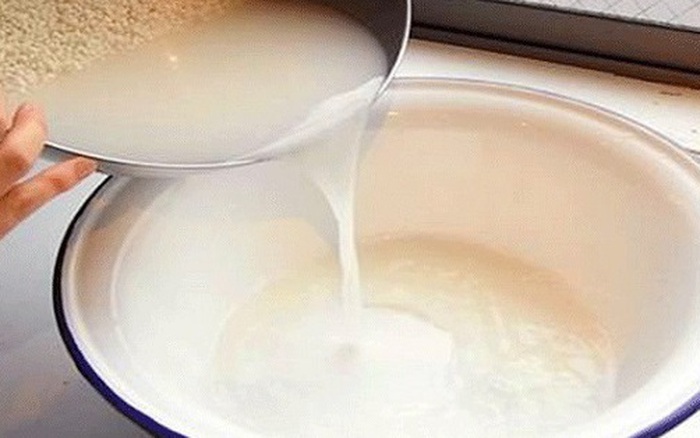
Rice water is the liquid left after soaking, rinsing, or cooking rice. It contains:
- Starch
- Trace vitamins (like B vitamins)
- Minerals
- Antioxidants
Depending on how it’s prepared, rice water can be used in different ways—each offering unique benefits.
1. Supports Skin Health
Rice water is widely known for its gentle effect on the skin.
It may help:
- Soothe irritation
- Improve skin texture
- Provide a natural glow
Because it’s mild, it’s often used as a natural toner or rinse for sensitive skin.
2. Promotes Healthy Hair
One of the most popular uses of rice water is for hair care.
It can:
- Make hair feel smoother
- Improve shine
- Help reduce breakage
Some people use fermented rice water as a hair rinse, believing it strengthens hair over time.
3. Aids Digestion
In traditional practices, rice water has been used to support digestion.
It may:
- Help calm the stomach
- Provide light hydration
- Be easy to consume when feeling unwell
Because it’s gentle, it’s often considered a simple option during digestive discomfort.
4. Provides Quick Energy
Rice water contains carbohydrates in the form of starch, which can:
- Provide a quick source of energy
- Help replenish the body after fatigue
It’s not a replacement for a full meal, but it can offer a light energy boost.
5. Helps with Hydration
Rice water is mostly liquid, making it useful for hydration.
It can:
- Help maintain fluid balance
- Be easier to drink for some people than plain water
This is especially helpful in hot weather or after physical activity.
6. A Natural Household Helper
Beyond personal care, rice water can also be used around the home.
Some practical uses include:
- Watering plants (as a mild nutrient source)
- Cleaning certain surfaces
- Reducing waste by reusing kitchen by-products
It’s a simple way to make everyday life more sustainable.
Different Ways to Prepare Rice Water
There are a few common methods:
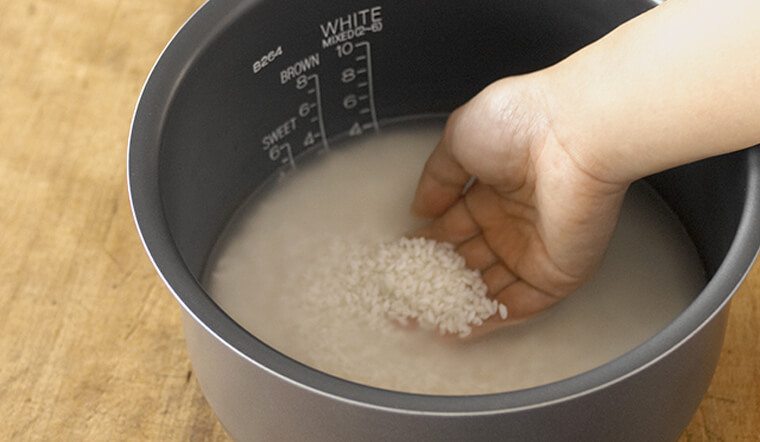
1. Soaking Method
- Soak rice in water for 20–30 minutes
- Strain and use the liquid
2. Boiling Method
- Cook rice with extra water
- Drain the excess liquid
3. Fermented Method
- Let rice water sit for a day or two
- Enhances certain properties
Each method has slightly different uses depending on preference.
A Balanced Perspective
While rice water has many benefits, it’s important to keep expectations realistic:
- It’s not a miracle solution
- Results vary from person to person
- It works best as a supportive habit, not a cure
Moderation and consistency matter more than quick results.
Why People Are Rediscovering It
In today’s world, more people are looking for:
- Natural alternatives
- Simple, low-cost solutions
- Sustainable habits
Rice water fits all three. It’s something you already have - it just needs to be used differently.
Final Thoughts
Rice water may seem like a small, insignificant by-product, but it holds surprising value. From supporting skin and hair to aiding digestion and reducing waste, it’s a simple way to get more out of what you already use every day.
Sometimes, the most powerful solutions aren’t the ones you buy - they’re the ones you’ve been overlooking all along.