Bananas are among the most popular fruits in the world. They are affordable, convenient, naturally sweet, and easy to incorporate into almost any diet. People eat them for breakfast, blend them into smoothies, add them to oatmeal, or enjoy them as a quick snack between meals. But beyond their familiar taste and convenience, bananas contain important nutrients that may influence cardiovascular health.
One question often comes up among people who want to maintain healthy blood pressure: What happens when you eat bananas every day?
The answer is connected largely to potassium, a mineral that helps regulate the balance of fluids in the body and plays an important role in controlling blood pressure. Bananas are a well-known source of potassium, which is why they are frequently recommended as part of a heart-conscious eating pattern.
However, eating a banana every day is not a guaranteed way to lower high blood pressure. Its effects depend on a person's overall diet, health status, medication use, and the amount of sodium and potassium consumed throughout the day. Bananas can contribute to a healthier lifestyle, but they are only one part of the bigger picture.
Understanding how this fruit works in the body can help you decide whether eating bananas daily is a useful habit for your own health.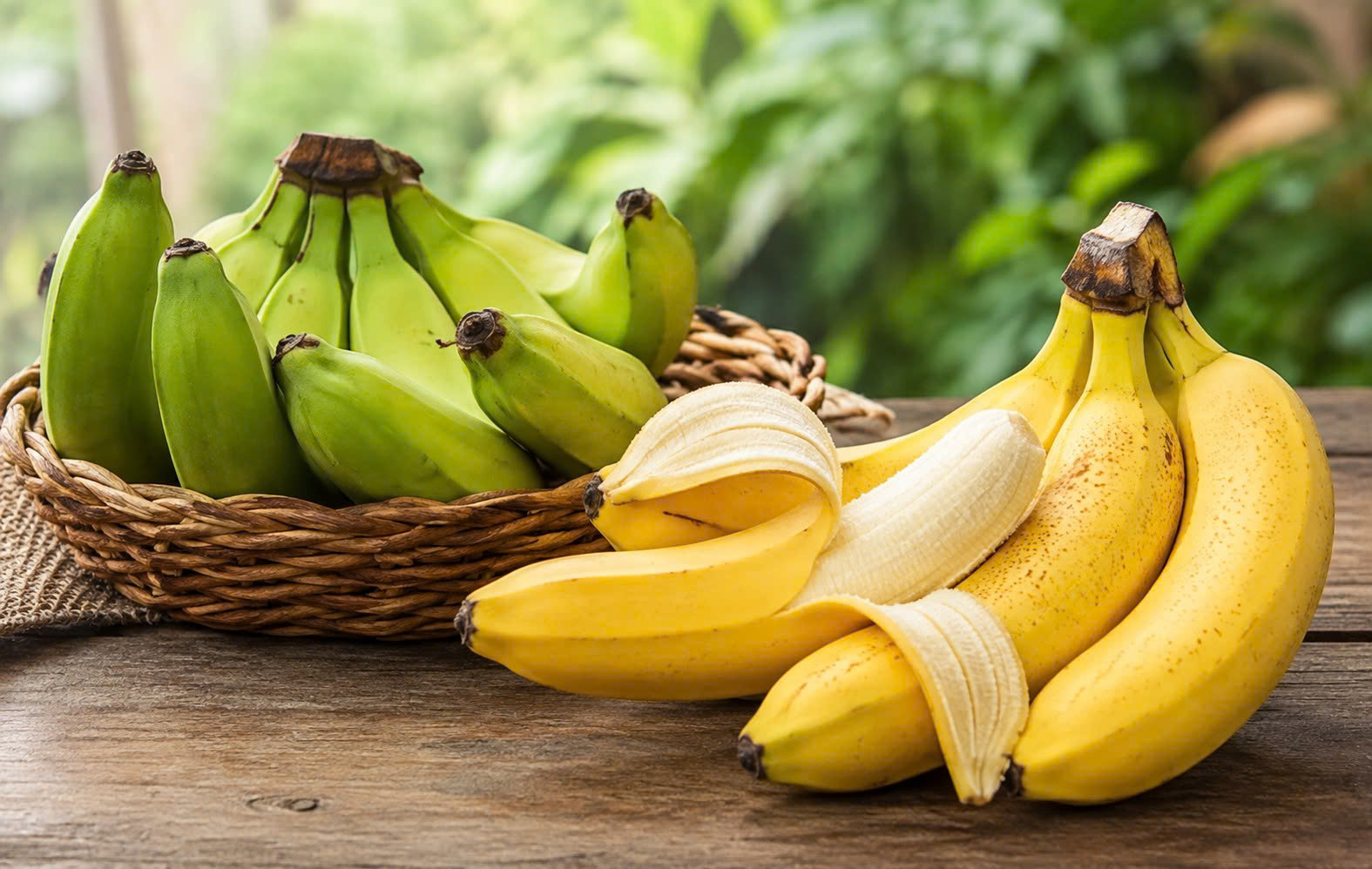
1. Bananas Provide Potassium, a Mineral That Helps Regulate Blood Pressure
The relationship between bananas and blood pressure begins with potassium.
Potassium is an essential mineral and electrolyte that helps the body maintain normal fluid balance, transmit nerve signals, support muscle contraction, and regulate the electrical activity of the heart. It also plays a role in maintaining healthy blood pressure.
A medium-sized banana typically provides approximately 400 to 450 milligrams of potassium, although the exact amount varies according to its size and variety. That makes bananas a convenient way to increase potassium intake without relying on supplements.
Potassium helps counter some of the effects of sodium, which is commonly found in table salt and many processed foods. When sodium intake is high, the body may retain more fluid, potentially increasing the volume of blood circulating through the blood vessels. In susceptible individuals, this can contribute to elevated blood pressure.
Potassium helps the kidneys remove sodium through urine and supports the normal function of blood vessel walls. These effects can help the body maintain a healthier balance between sodium and potassium.
Eating a banana does not instantly reverse the effects of a salty meal, nor does it eliminate the need to limit excessive sodium. Instead, bananas can contribute to an overall eating pattern that supplies enough potassium to support blood pressure regulation.
The important point is consistency. A diet that regularly includes potassium-rich foods is generally more beneficial than relying on a single food to produce a specific health outcome.
2. Your Blood Pressure May Improve If Your Diet Is Low in Potassium
If you regularly eat very few fruits, vegetables, beans, or other potassium-rich foods, adding bananas may help improve the nutritional quality of your diet.
Low potassium intake is associated with less favorable blood pressure outcomes, particularly when sodium intake is high. Increasing potassium through food can help some people achieve modest reductions in blood pressure.
The effect is not identical for everyone. People with high blood pressure, high sodium intake, or low dietary potassium may benefit more than people whose blood pressure is already normal and whose diets already contain plenty of potassium-rich foods.
For example, someone who frequently eats packaged snacks, processed meats, instant noodles, and restaurant meals may consume substantial amounts of sodium while getting relatively little potassium. Adding a banana is a useful step, but the greatest benefit is likely to come from improving the entire dietary pattern.
That could mean eating more vegetables, choosing beans and lentils more often, including fruit at breakfast, and reducing heavily salted foods.
It is also important to keep expectations realistic. Blood pressure is influenced by many factors, including genetics, body weight, physical activity, alcohol intake, sleep, stress, kidney function, and certain medications. A banana cannot address all of these factors.
If your blood pressure is high, eating bananas may support your efforts to improve it, but it should not replace medical evaluation or prescribed treatment.
3. Potassium Helps the Body Handle Excess Sodium
Many people consume more sodium than they realize.