
6 early symptoms that can show up weeks before a heart attack
6 signs your body may give one month before a heart attack
Health 20/04/2026 00:03
Storing leftovers is a common habit that helps reduce food waste and save time. However, not all foods are safe to keep overnight, even in the refrigerator. Improper storage or reheating can allow harmful bacteria to grow, increasing the risk of foodborne illness. While refrigeration slows bacterial growth, it does not completely stop it. Understanding which foods spoil quickly is essential for protecting your health.


 5
5
Seafood is highly perishable and can deteriorate rapidly, even when refrigerated. Cooked fish or shellfish left overnight may develop bacteria that produce toxins not destroyed by reheating. This makes it one of the riskiest leftover foods if not consumed promptly.


 6
6
Vegetables like spinach, lettuce, and other leafy greens can accumulate nitrates, which may convert into harmful compounds when stored for too long. Reheating these vegetables after overnight storage can reduce their nutritional value and, in some cases, pose health concerns.
Cooked rice, pasta, and potatoes may seem harmless, but they can harbor bacteria such as Bacillus cereus. If left at room temperature before refrigeration or stored improperly, these foods can cause digestive issues when consumed later. Always cool and refrigerate them quickly, and avoid keeping them for extended periods.
Eggs are sensitive to temperature changes. Dishes like scrambled eggs, omelets, or custards can spoil quickly if not stored correctly. Overnight storage may lead to bacterial growth, making them unsafe to eat the next day, especially if reheated improperly.
Deli meats and processed foods often contain preservatives, but they are still prone to bacterial contamination once opened or cooked. Keeping them overnight without proper sealing or temperature control can increase the risk of spoilage.
To reduce food safety risks, always store leftovers in airtight containers and refrigerate them within two hours of cooking. Keep your fridge temperature below 4°C (40°F), and label food with storage dates. When in doubt, it’s safer to discard questionable leftovers than risk illness.
If leftovers develop an unusual smell, texture, or color, they should not be consumed. Food poisoning symptoms can range from mild discomfort to severe illness, so caution is essential. Trust your senses and prioritize safety over convenience.
Leftovers can be convenient, but they require proper handling. By knowing which foods are more likely to spoil and following safe storage practices, you can enjoy meals without compromising your health. A simple rule to remember: if you’re unsure, it’s better to throw it out.
6 signs your body may give one month before a heart attack
You Eat Bell Peppers Often? Read This Before Your Next Meal!

You Eat These Every Day… But They Could Be Damaging Your Liver!
Don’t ignore these 5 unusual symptoms - they could point to diabetes

Doctors say THIS simple sleep habit could change your health overnight 😳
Your fridge habits matter—learn what to store and what to avoid.

Some foods may carry parasites—learn 4 common risks and stay safe.
Struggling with swelling? Try these 6 easy ways to reduce water retention.

Dry mouth at night? Discover 8 causes and simple ways to fix it.
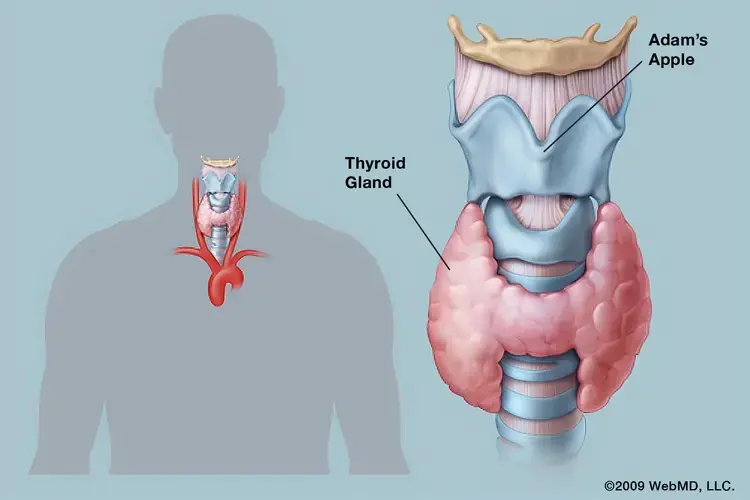
You Eat This Every Day—But It Might Affect Your Thyroid

She Was Only 36—Doctors Say These Everyday Foods Played a Role
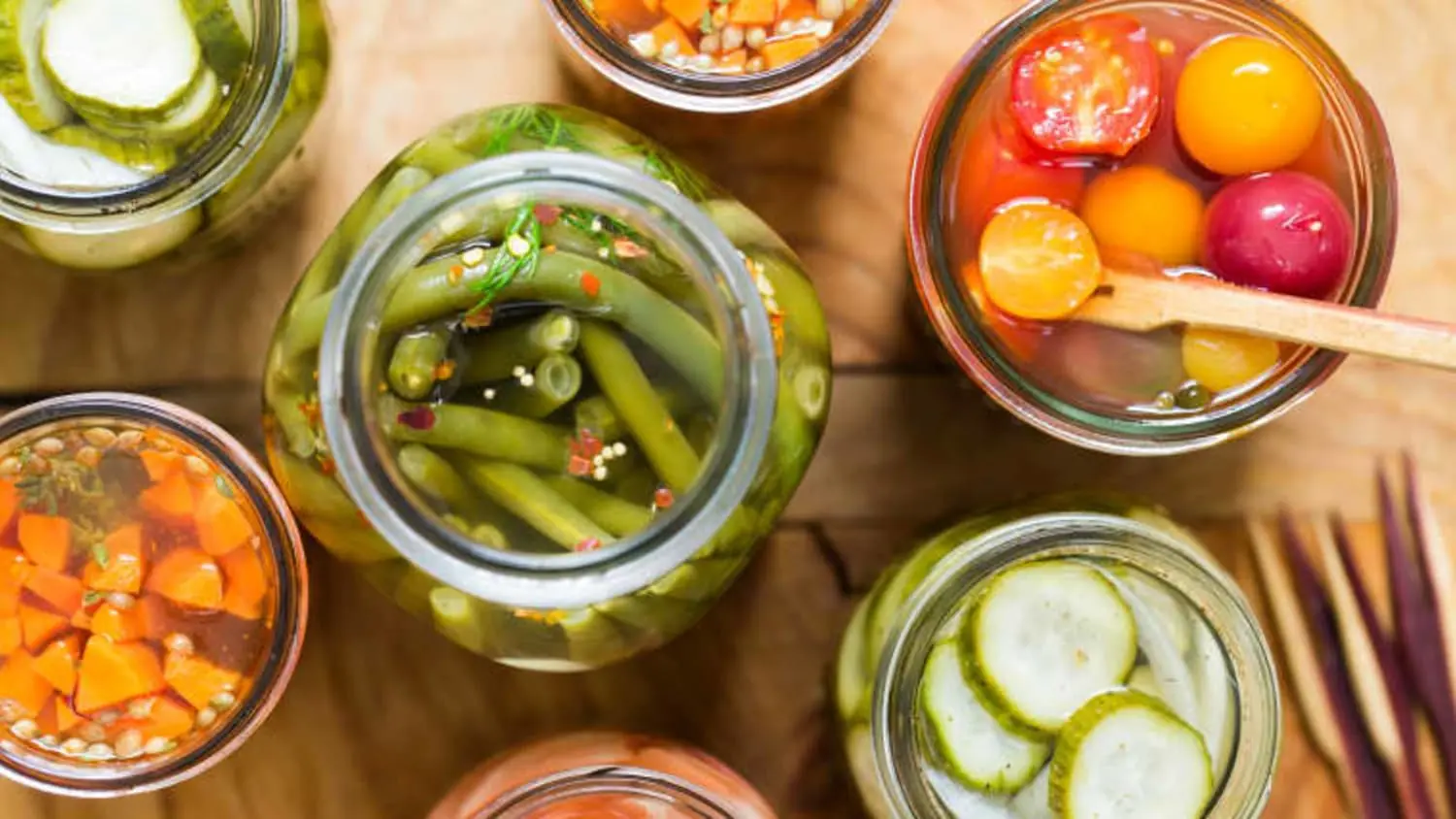
Hidden Danger in Your Daily Meals—Are You Making This Mistake?
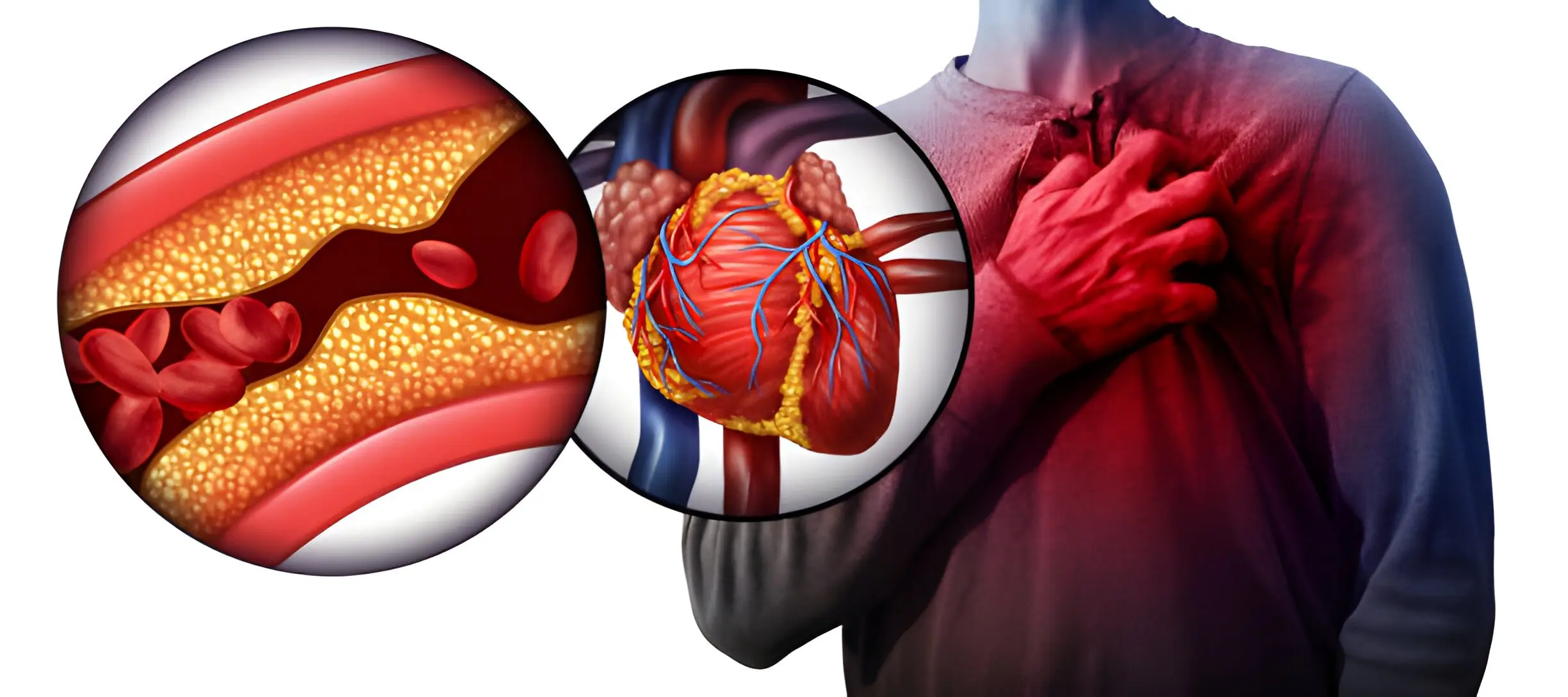
Not All Heart Problems Start in the Chest—Watch Your Feet Tonight
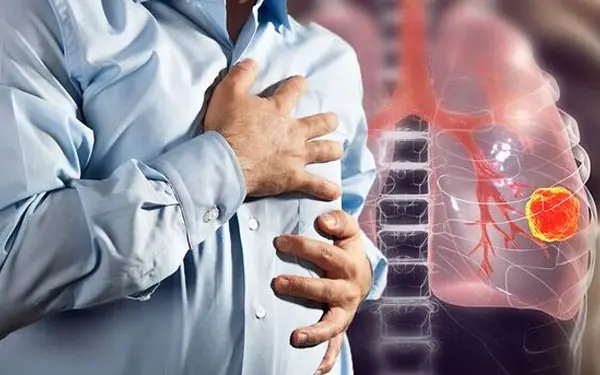
Waking Up Like This? It Could Be More Serious Than You Think
These 4 Morning Habits Could Be Putting You at Risk of Stroke — Do You Do Them Daily?
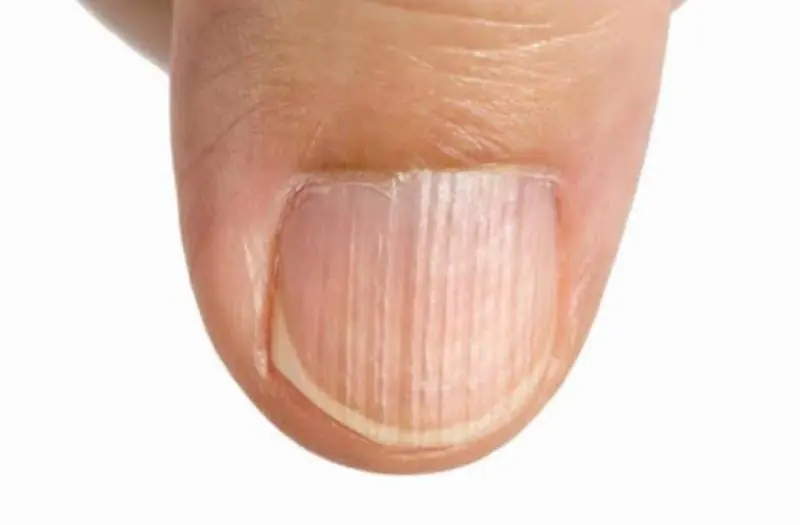
Nail changes can reveal hidden health issues you shouldn’t ignore.
10 signs of diabetes you might notice in your feet
Everyday air fryer errors that could lead to unsafe food handling

What Daily Dragon Fruit Consumption Can Do for You

Do You See the Pattern Behind the Numbers?

Would You Stop? This Chilling Story Is Warning Everyone
6 signs your body may give one month before a heart attack

You Don’t Need New Lenses—Just This 1 Kitchen Ingredient!
You Eat Bell Peppers Often? Read This Before Your Next Meal!
You Eat These Every Day… But They Could Be Damaging Your Liver!
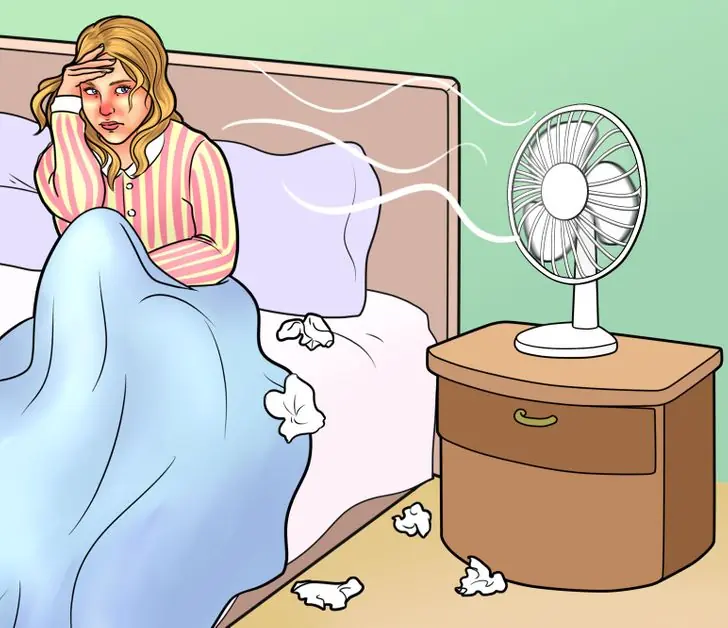
You thought your fan helps you sleep… but it might be doing THIS
Don’t ignore these 5 unusual symptoms - they could point to diabetes
Doctors say THIS simple sleep habit could change your health overnight 😳
Your fridge habits matter—learn what to store and what to avoid.
Some foods may carry parasites—learn 4 common risks and stay safe.
Struggling with swelling? Try these 6 easy ways to reduce water retention.
Dry mouth at night? Discover 8 causes and simple ways to fix it.
You Eat This Every Day—But It Might Affect Your Thyroid
She Was Only 36—Doctors Say These Everyday Foods Played a Role

You’re Wasting Money Every Day—Just Because You Don’t Unplug This
Hidden Danger in Your Daily Meals—Are You Making This Mistake?
Not All Heart Problems Start in the Chest—Watch Your Feet Tonight
Waking Up Like This? It Could Be More Serious Than You Think