From Hiding to Exploring: Little Punchy’s Transformation 🐒✨
It’s hard to believe this is the same Little Punchy who once hid in corners just to survive.
Looking at him now—calmly observing the world, climbing with confidence, and exploring every inch of his surroundings—it feels almost unreal. The journey from a frightened, fragile infant to a curious young explorer is not just a story of growth. It is a story of resilience, trust, and quiet courage unfolding day by day on Monkey Mountain.
But to truly understand how far Punchy has come, we need to go back to where it all began.
The Tiny Survivor
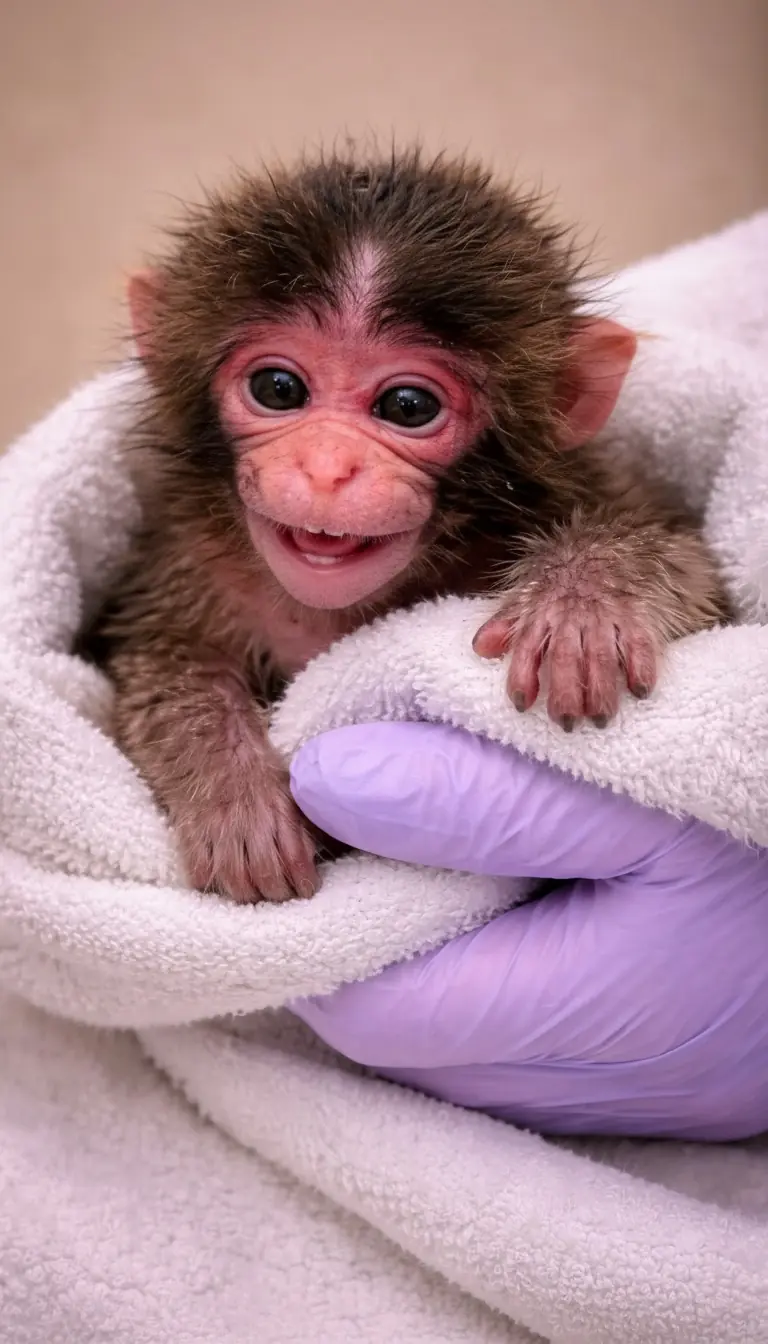
In his earliest days on Monkey Mountain, Little Punchy was barely noticeable. Among a lively troop of monkeys constantly moving, playing, and competing for space, he was the smallest of them all. His tiny frame and cautious eyes made him almost invisible—by necessity, not choice.
Life was not gentle for him.
Every rustle in the leaves, every sudden movement, every louder voice from the troop felt overwhelming. While other young monkeys would leap from branch to branch, chasing each other in playful chaos, Punchy often stayed still—watching, waiting, calculating.
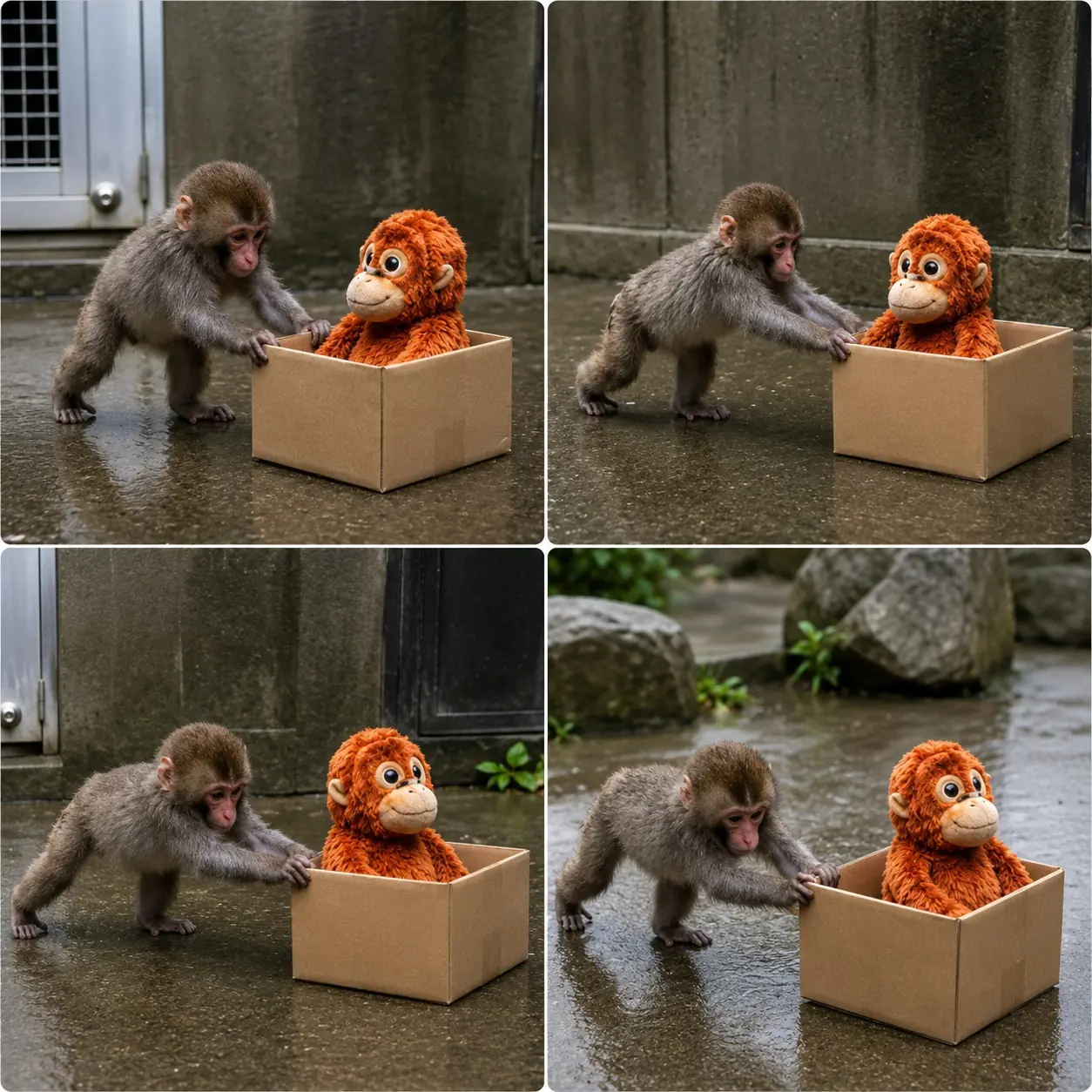
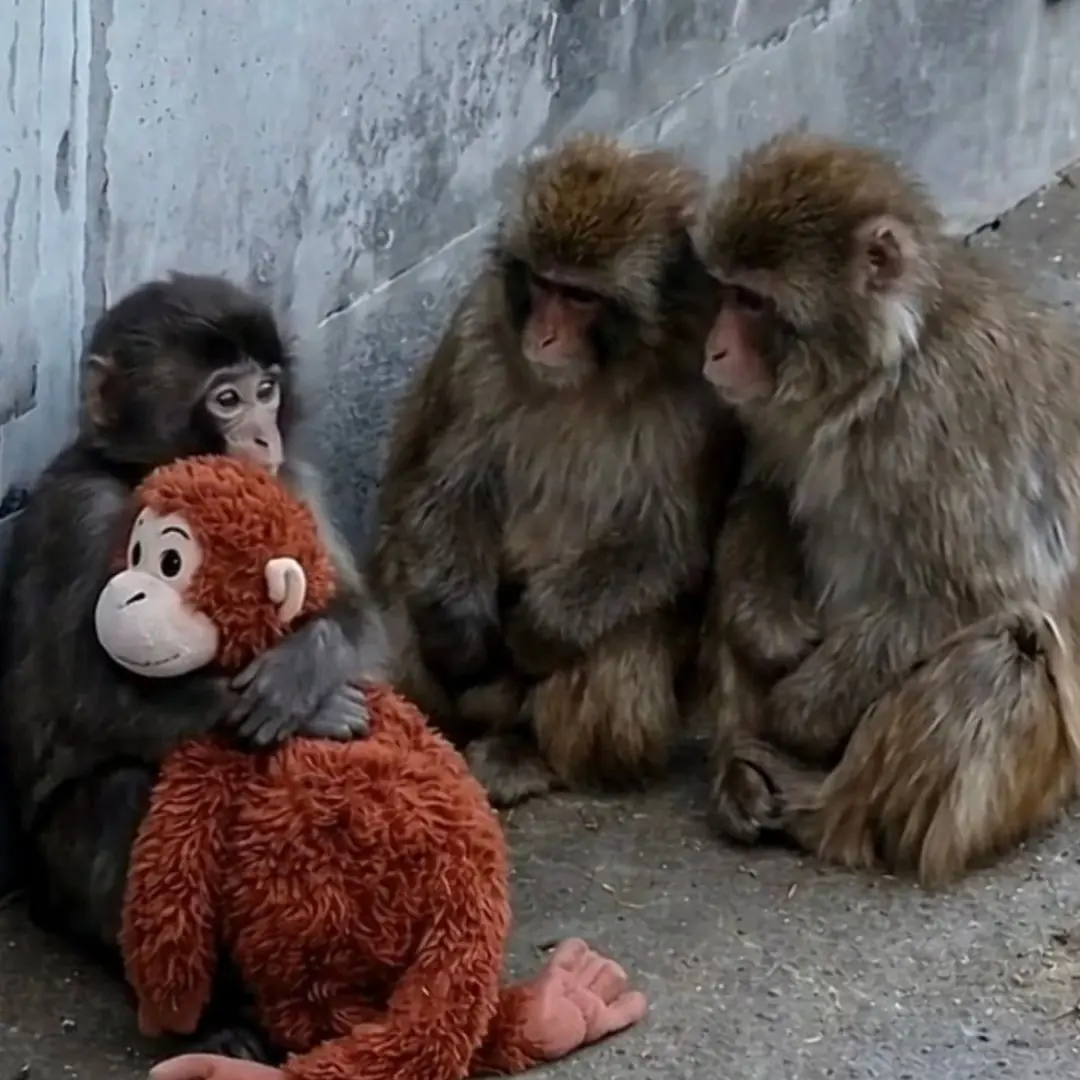
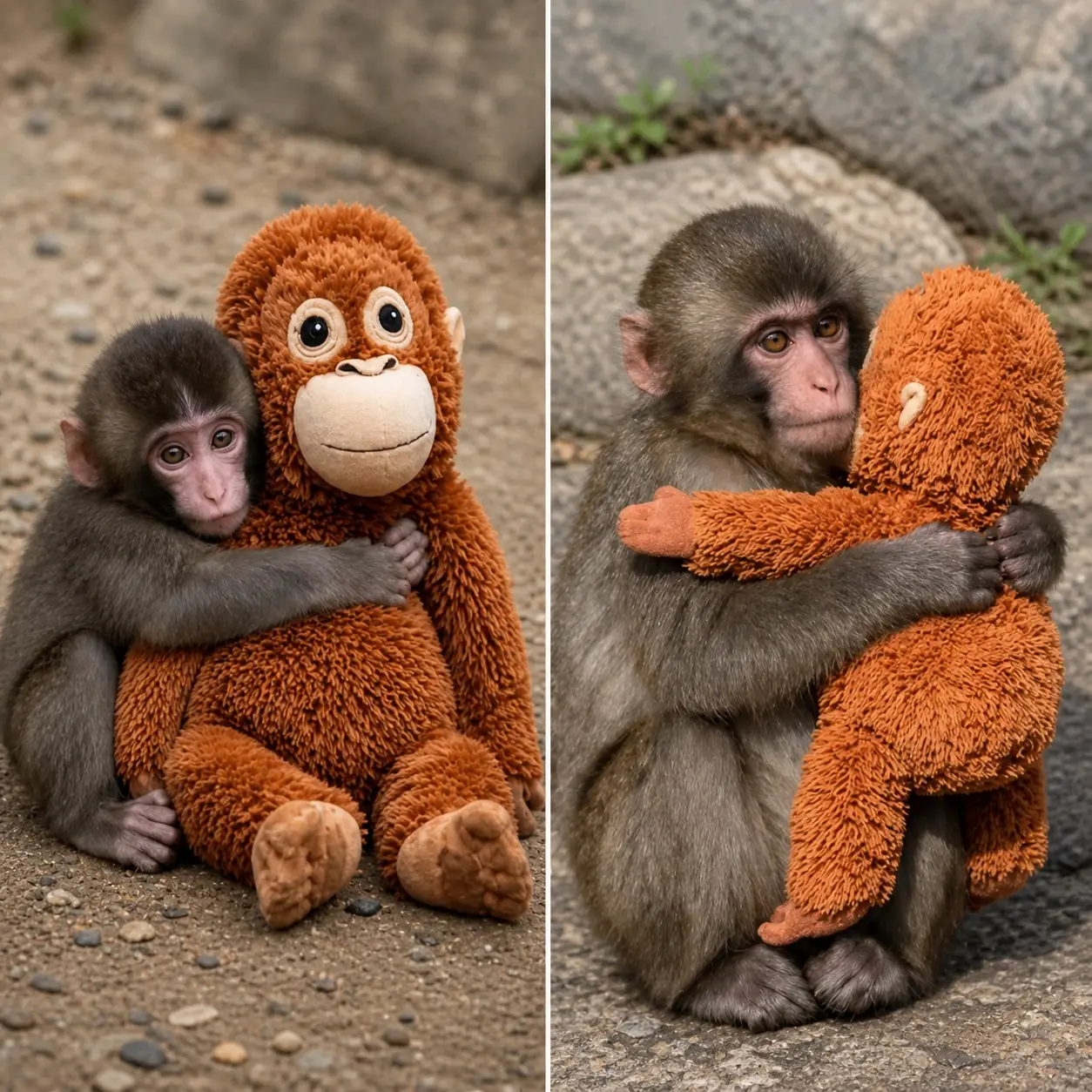
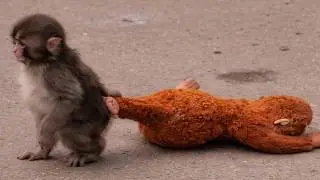
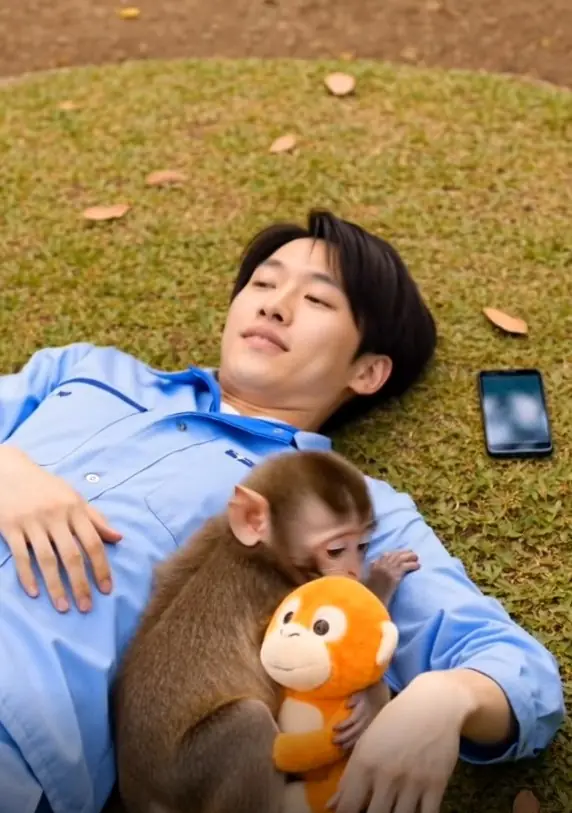
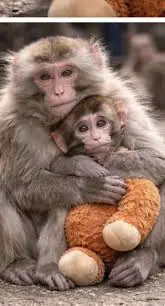
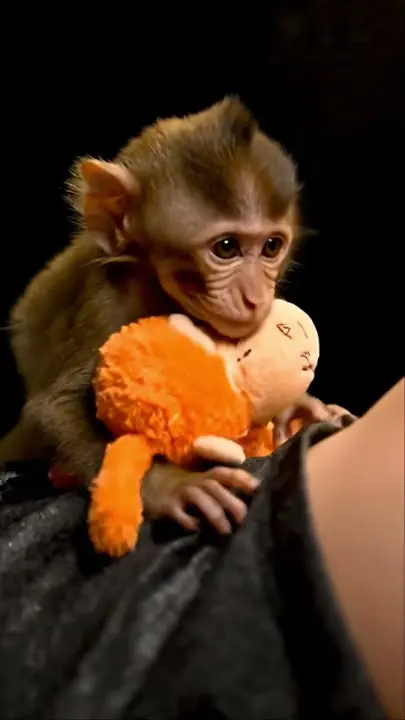
He had one anchor in those early days: his Mama Doll.
Clinging tightly to her, he would bury himself in her fur, finding what little comfort he could in the warmth and familiarity she provided. She was his shelter in a world that felt too big, too loud, and too unpredictable.
Survival was his only goal.
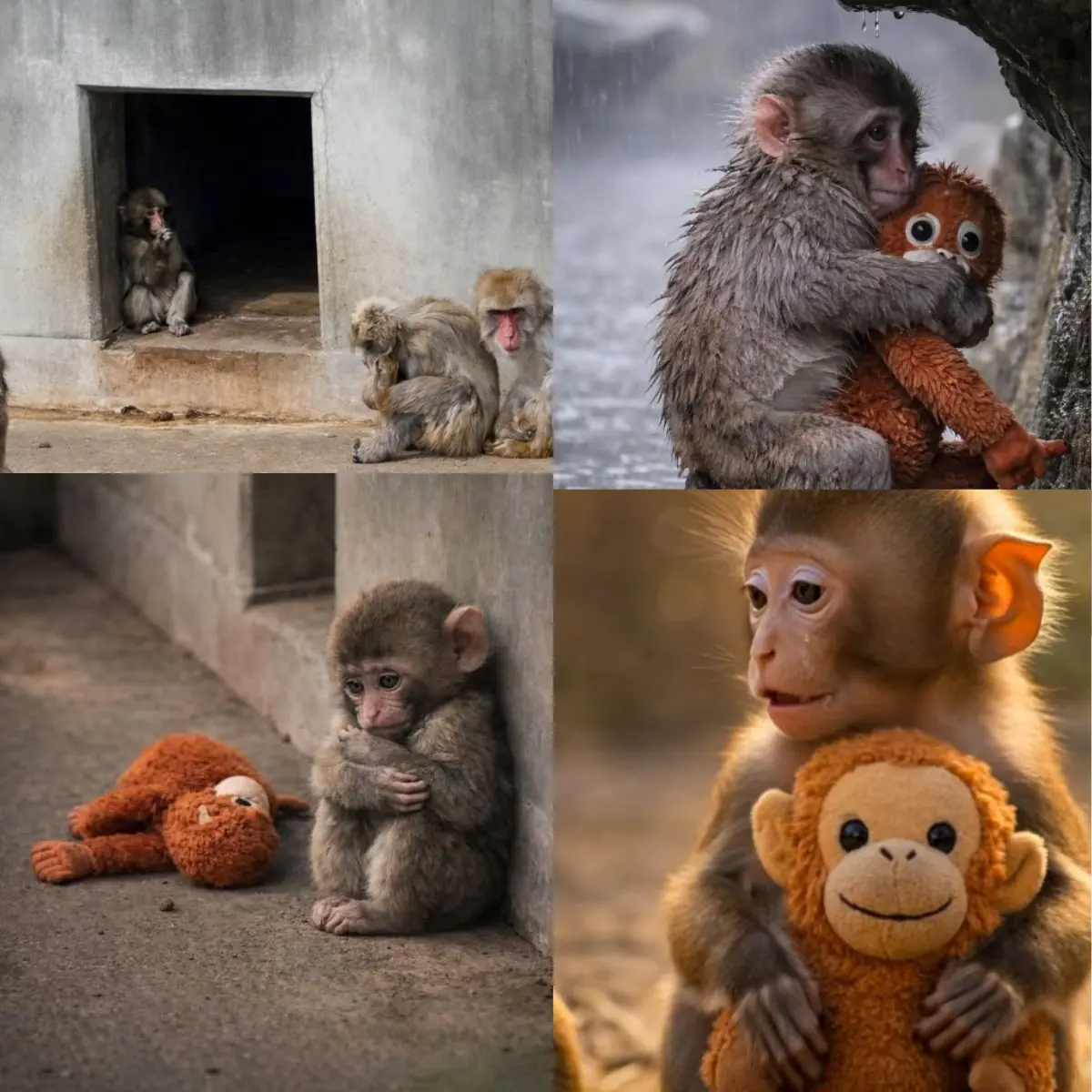
Avoiding the more dominant monkeys became part of his daily routine. He learned quickly which paths were safest, which corners were least crowded, and which moments were best spent completely still. In a way, Punchy wasn’t living—he was enduring.
There was no room for curiosity. No space for playfulness. Even the simplest act of exploring a nearby branch felt like a risk too great to take.
At that stage, Punchy wasn’t a character defined by personality or behavior. He was defined by fear. And yet, even in that fragile state, something important was quietly forming within him: awareness. Observation. Adaptation.
He was learning the world—not by engaging with it, but by carefully watching it from the shadows.
Life in the Shadows
Monkey Mountain is not a quiet place. It is a living, breathing ecosystem of movement and hierarchy, where every young monkey must find their place.
For Punchy, that place was always at the edge.
While others played in the open, he remained near hidden spots—behind rocks, under low branches, or tucked close to his Mama Doll. From there, he observed everything.
He watched how the stronger monkeys interacted. He noticed how confidence changed the way others responded. He saw that boldness often led to attention, while hesitation kept one unnoticed.
Even though he was too young to understand these patterns fully, they were being stored quietly in his mind.
Fear shaped his decisions, but observation shaped his understanding.
There were moments when he would slightly lean forward, as if curiosity was trying to break through. But almost immediately, caution pulled him back. It was as if two forces lived inside him: one urging him to explore, and one insisting he stay safe.
And for a long time, safety always won.
Still, something subtle was changing.
Growth rarely announces itself. It happens in silence, in repetition, in tiny shifts that are almost impossible to detect in the moment.
Punchy was changing—even if no one could see it yet.

The First Signs of Change
Then came the moments that would slowly redefine him.
It didn’t happen all at once. There was no sudden transformation, no dramatic leap from fear to confidence. Instead, it began with hesitation that lasted a little longer than before.
One day, instead of immediately retreating to his corner, Punchy paused.
He looked.
A group of young monkeys nearby were playing with leaves—throwing them into the air, chasing them as they fell, laughing in their own monkey way. It was chaotic, unpredictable, and loud. Everything Punchy had always avoided.
But this time, he didn’t turn away instantly.
He watched.
That single act—watching without retreating—was the beginning of something new.
The world hadn’t changed. Monkey Mountain was still the same. The other monkeys were still just as energetic. But something inside Punchy had shifted.
Curiosity had found a crack in fear.
It was small. Almost invisible. But it was real.
And once curiosity enters, it rarely leaves.
The First Step Forward
Days passed.
Then weeks.
Punchy began to move differently.
Instead of always staying hidden, he started to sit slightly closer to open spaces. He still kept distance, still held onto his comfort zones, but the boundaries were slowly expanding.
He would leave his Mama Doll for short moments—not far, never far—but enough to test the world beyond her protection.
Each time, he returned safely.
And with each safe return, something inside him grew stronger.
Confidence is not born from success alone. It is built from repeated experiences of survival, of realizing “I tried, and nothing bad happened.”
Punchy was learning this lesson in his own quiet way.
The First Interaction
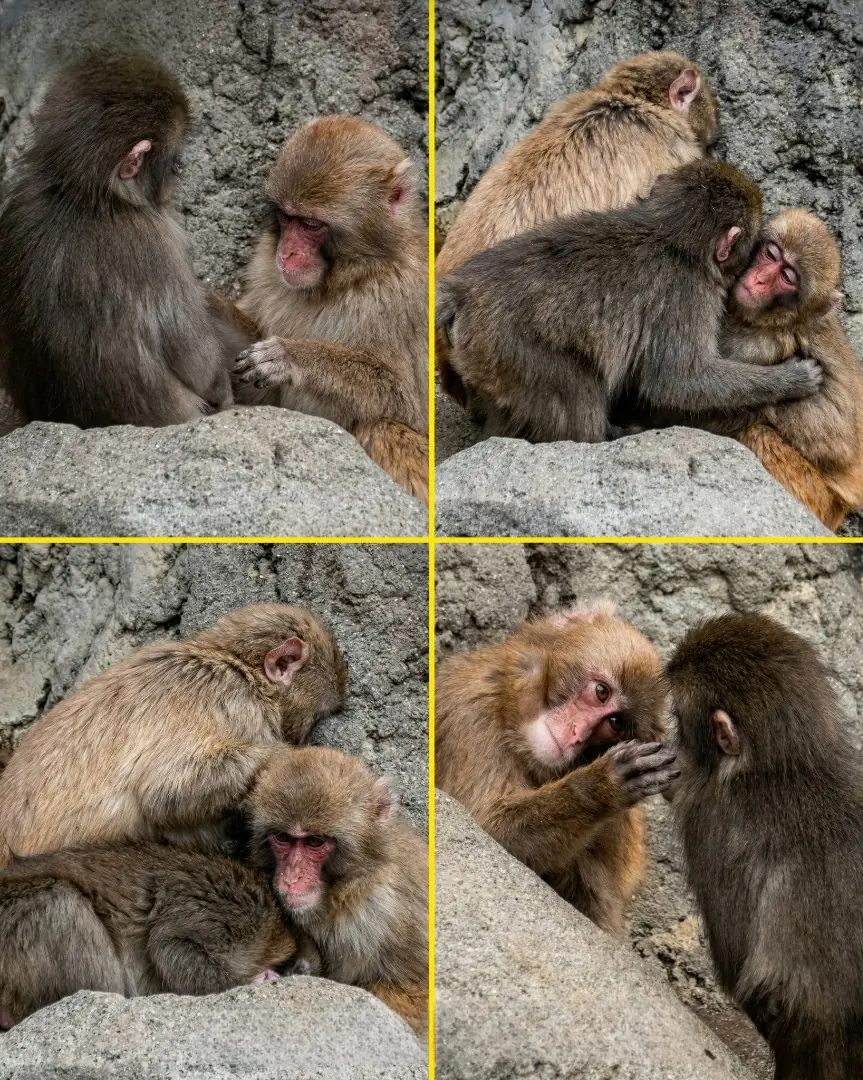
The first time another young monkey approached him, Punchy froze.
His instinct screamed for him to retreat.
But he didn’t.
The other monkey simply sat nearby, curious but not aggressive. There was no threat. Just presence.
For a long moment, neither moved.
Then something unexpected happened.
Punchy didn’t run.
He stayed.
That moment—simple, quiet, almost unremarkable to anyone watching—was monumental for him.
It was the first time he chose presence over avoidance.
The Confident Explorer Emerges
Now, Little Punchy is different.
Not unrecognizable—but transformed in ways that matter most.
He climbs.
He explores.
He observes the world not from behind obstacles, but from within it.
He still has moments of hesitation, of course. Growth is never a straight line. But those moments no longer define him.
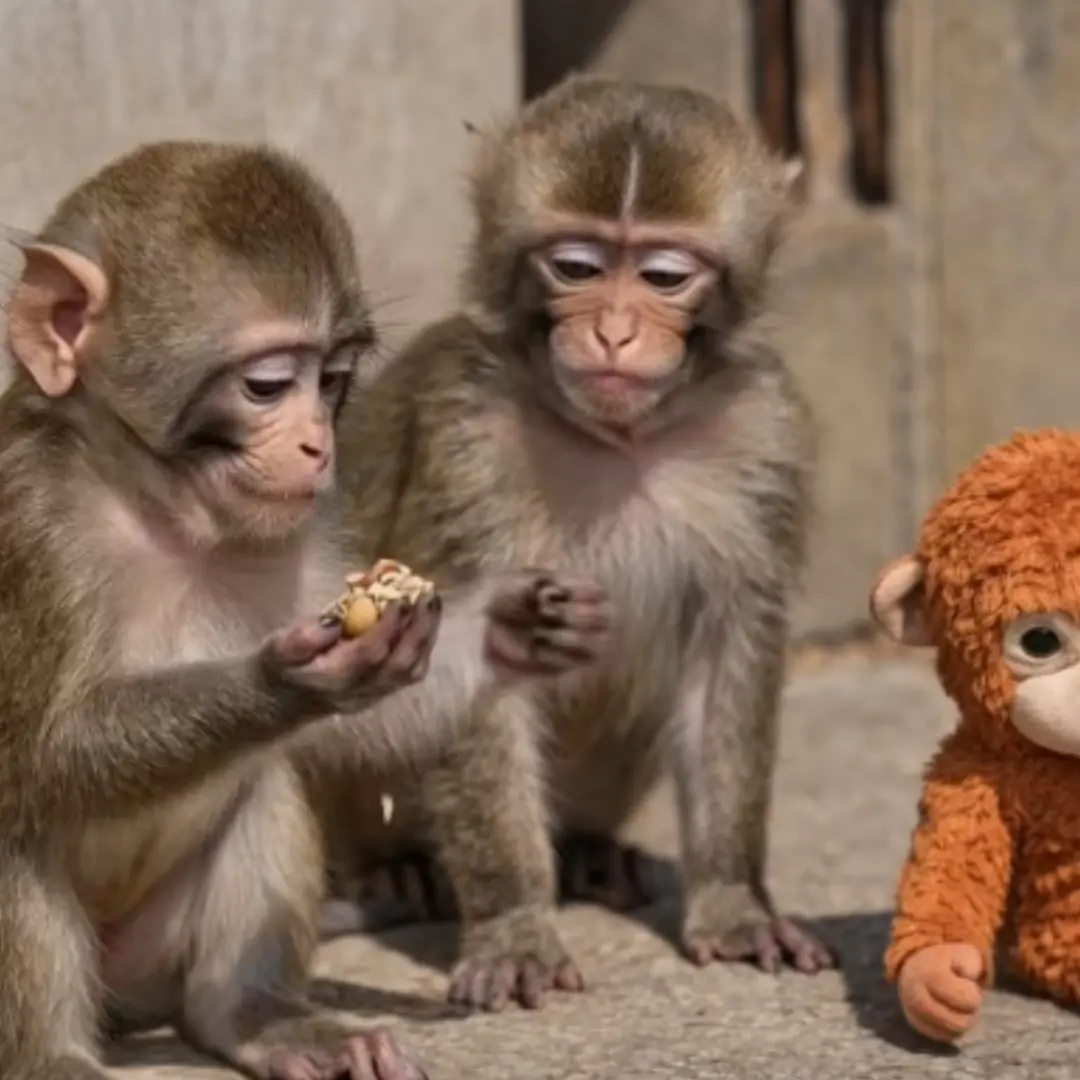
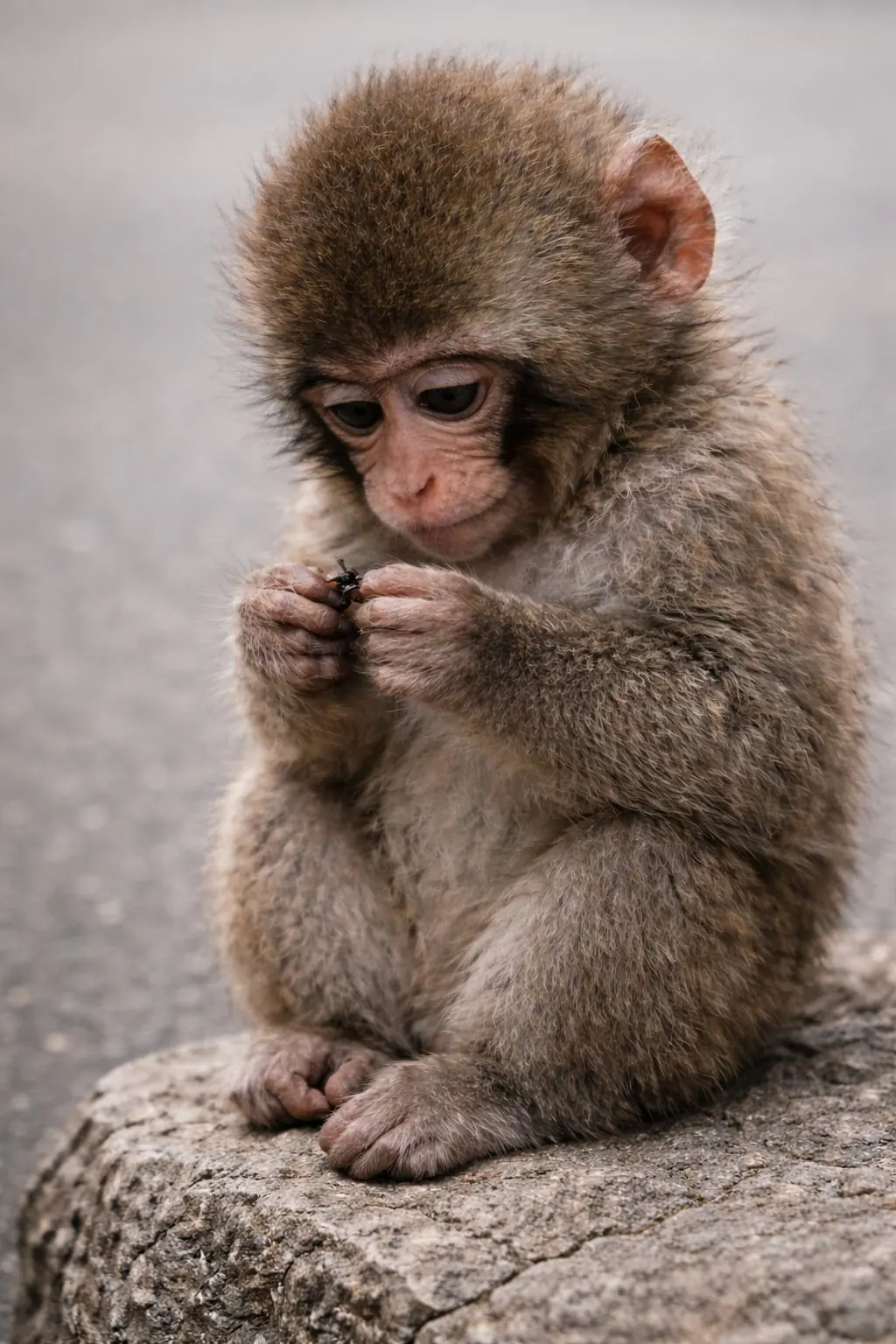
Instead of hiding, he sits near others. Sometimes he holds a leaf, turning it slowly in his tiny hands as if studying its texture, its meaning, its place in the world.
He watches more than he reacts—but now, that watching is not born from fear. It is born from curiosity.
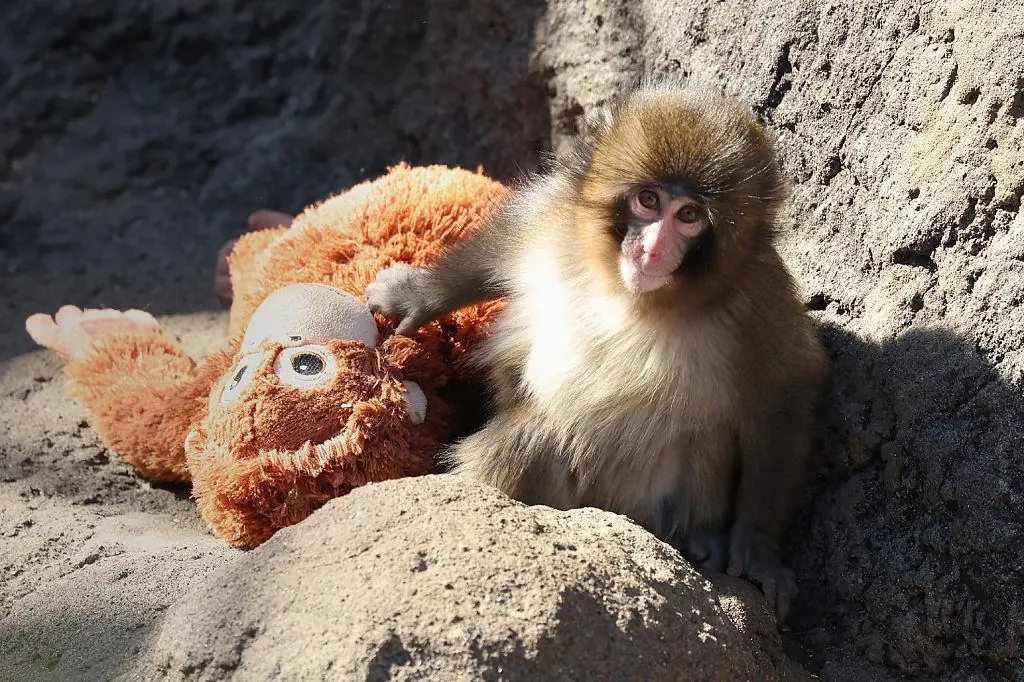
Where once he clung tightly to his Mama Doll out of necessity, he now stands beside her with quiet independence. The bond remains, but the fear has loosened its grip.
He is no longer surviving.
He is participating.
A World That Finally Feels Reachable

Monkey Mountain has not changed.
The branches are still high. The troop is still active and unpredictable. The environment is still full of challenges.
But Punchy’s relationship with that world has transformed completely.
What once felt overwhelming now feels navigable.
What once felt dangerous now feels interesting.
He is beginning to understand something essential: the world is not only something to fear. It is something to explore.
Every branch he climbs is a small declaration of independence. Every moment he spends away from hiding is a step toward self-trust.
And every time he chooses to stay instead of run, he becomes a little braver.
No Longer Just Surviving
Punchy is not the scared little baby anymore.
That version of him—the one who hid in corners, who avoided attention, who clung desperately to safety—still exists in memory. But it no longer defines who he is becoming.
Now, he is curious.
Now, he is observant in a different way—not watching for danger, but watching for discovery.
Now, he is brave in the smallest, most meaningful sense: the courage to stay present in a world that once felt too big to face.
His transformation is not loud. It does not demand attention.
It is quiet. Gentle. Gradual.
But it is real.
And perhaps the most beautiful part of Punchy’s journey is this: he did not become someone else.
He simply became more of himself.
A Story Still Unfolding
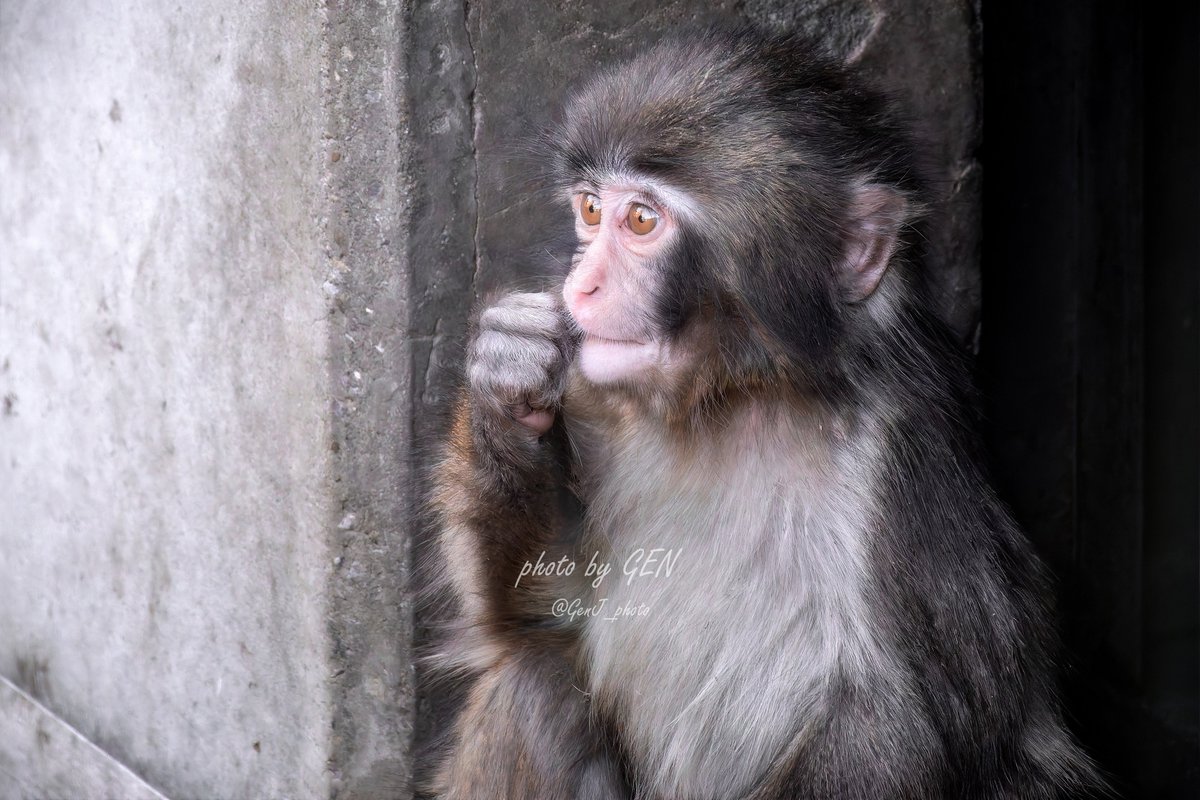
Little Punchy’s story is not finished.
He will continue to grow. He will continue to test boundaries, to climb higher, to explore further. There will still be moments of hesitation, moments of uncertainty.
But the foundation has already been laid.
From a tiny survivor clinging to safety…
To a young explorer stepping into the world…
Punchy has shown something powerful:
That even the most fragile beginnings can evolve into strength.
That fear is not permanent.
And that courage often starts in the smallest, quietest ways imaginable.
And on Monkey Mountain, beneath the rustling leaves and endless sky, Little Punchy continues his journey—one careful, curious step at a time. 🐒✨