Cervical cancer is one of the most common cancers affecting women worldwide. Thanks to advances in screening and vaccination, many cases can now be prevented or detected at an early stage. However, cervical cancer remains a serious health concern because its early symptoms are often subtle or easy to overlook.
In the early stages, cervical cancer may cause no symptoms at all. This is one reason why regular screening tests, such as Pap tests and HPV testing, are so important. As the disease progresses, however, certain warning signs may begin to appear.
It is important to remember that these symptoms do not automatically mean a woman has cervical cancer. Many other conditions can cause similar symptoms. Nevertheless, persistent or unusual changes should always be discussed with a healthcare professional.
Here are 5 potential warning signs every woman should be aware of.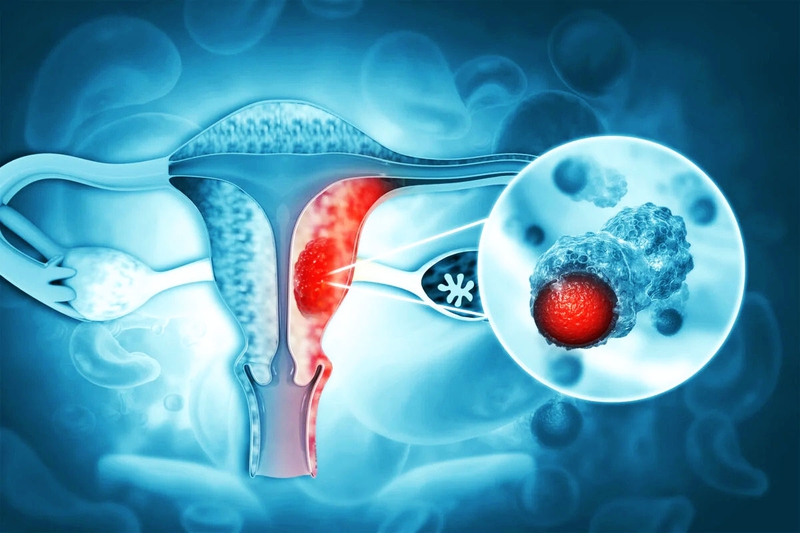
1. Abnormal Vaginal Bleeding
One of the most common symptoms associated with cervical cancer is abnormal vaginal bleeding.
This bleeding may occur:
- Between menstrual periods
- After sexual intercourse
- After menopause
- After a pelvic examination
- At unexpected times during the menstrual cycle
Many women initially dismiss occasional spotting as a hormonal fluctuation or stress-related change. However, bleeding that is unusual, recurrent, or persistent deserves medical attention.
Why It Happens
As abnormal cells grow on the cervix, they can irritate surrounding tissues and blood vessels, making bleeding more likely.
When to Seek Medical Advice
Any unexplained bleeding should be evaluated, particularly if it occurs repeatedly or after menopause.
2. Unusual Vaginal Discharge
Changes in vaginal discharge can sometimes signal underlying health concerns.
Women with cervical cancer may notice discharge that is:
- Watery
- Thick
- Pale
- Brown
- Pink
- Blood-tinged
- Foul-smelling
While infections frequently cause abnormal discharge, persistent changes should never be ignored.
Why It Happens
As cervical abnormalities develop, they may produce excess fluid or cause bleeding that mixes with normal vaginal secretions.
What to Watch For
Seek medical evaluation if discharge:
- Has a strong odor
- Contains blood
- Persists despite treatment
- Appears significantly different from normal
3. Pelvic Pain
Persistent pelvic pain can occur for many reasons, but it may also be associated with cervical cancer.
The pain may be:
- Dull
- Aching
- Intermittent
- Constant
Some women describe discomfort deep within the pelvis that does not seem related to their menstrual cycle.
Why It Happens
As cervical cancer grows, it may affect nearby tissues and structures, leading to discomfort and inflammation.
Other Possible Causes
Pelvic pain is common in many conditions, including:
- Endometriosis
- Ovarian cysts
- Fibroids
- Pelvic inflammatory disease
This is why proper medical evaluation is essential.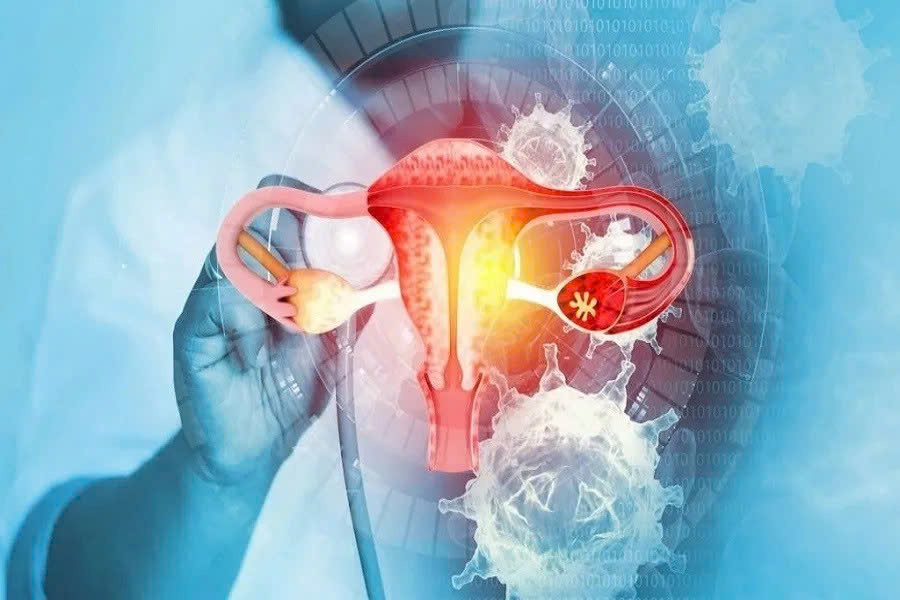
4. Pain During Sexual Intercourse
Pain during intercourse, known medically as dyspareunia, is another symptom that can occur with cervical cancer.
Symptoms May Include
- Deep pelvic pain
- Burning sensations
- Discomfort during penetration
- Bleeding after intercourse
Although many conditions can cause painful intercourse, recurring symptoms should not be ignored.
Possible Causes
Changes within cervical tissue may increase sensitivity and cause discomfort during sexual activity.
Women experiencing persistent pain should discuss their symptoms with a healthcare provider.
5. Persistent Fatigue and Unexplained Weight Loss
As cervical cancer progresses, it may begin affecting overall health.
Some women experience:
- Ongoing fatigue
- Weakness
- Reduced energy
- Loss of appetite
- Unintentional weight loss
These symptoms are not specific to cervical cancer, but they can occur when the body is coping with a serious illness.
Why It Happens
Cancer can place significant demands on the body, affecting metabolism, energy production, and nutritional status.
When to Be Concerned
Unexplained weight loss or persistent fatigue lasting several weeks should always be investigated.
Understanding the Role of HPV
The majority of cervical cancer cases are linked to infection with the Human Papillomavirus (HPV).
HPV is extremely common and often causes no symptoms.
Most HPV infections clear naturally, but some high-risk strains can lead to changes in cervical cells over time.
Risk Factors Include
- Persistent HPV infection
- Smoking
- Weakened immune system
- Long-term oral contraceptive use
- Multiple sexual partners
- Lack of regular cervical screening
Understanding these risk factors can help women make informed healthcare decisions.
Why Early Detection Matters
One of the most important facts about cervical cancer is that it is often highly treatable when detected early.
Regular screening can identify abnormal cervical cells before they become cancerous.
Common Screening Methods
Pap Test
A Pap test checks for abnormal cervical cells.
HPV Test
This test identifies high-risk HPV strains associated with cervical cancer.
Routine screening has significantly reduced cervical cancer rates in many countries.
How Cervical Cancer Is Diagnosed
If symptoms or screening results raise concerns, healthcare providers may recommend further testing.
Diagnostic procedures may include:
- Pelvic examination
- Colposcopy
- Cervical biopsy
- Imaging studies
These tests help determine whether abnormal cells are present and whether treatment is needed.
Treatment Options
Treatment depends on the stage of the disease and individual circumstances.
Possible options include:
Surgery
Early-stage cervical cancer may be treated surgically.
Radiation Therapy
Radiation uses targeted energy to destroy cancer cells.
Chemotherapy
Chemotherapy medications help kill cancer cells or slow their growth.
Immunotherapy
Newer treatments may help the immune system recognize and attack cancer cells.
Advances in treatment continue to improve outcomes for many women.
Can Cervical Cancer Be Prevented?
While not all cases can be prevented, several measures can significantly reduce risk.
HPV Vaccination
Vaccines protect against several high-risk HPV strains.
Regular Screening
Routine Pap and HPV testing remain among the most effective prevention tools.
Avoid Smoking
Smoking increases the risk of cervical cancer and many other diseases.
Practice Safe Sex
Reducing exposure to HPV can lower risk.
Maintain Regular Healthcare Visits
Preventive care helps identify problems before symptoms develop.
When to See a Doctor
Medical attention should be sought if symptoms include:
- Unusual vaginal bleeding
- Persistent abnormal discharge
- Pelvic pain
- Pain during intercourse
- Unexplained fatigue
- Unexpected weight loss
Prompt evaluation allows healthcare providers to determine the cause and recommend appropriate treatment.
Final Thoughts
Cervical cancer often develops slowly, which is why awareness and early detection are so important. Abnormal vaginal bleeding, unusual discharge, pelvic pain, painful intercourse, and persistent fatigue are five potential warning signs that deserve attention.
Most women experiencing these symptoms do not have cervical cancer, but ignoring persistent changes can delay diagnosis and treatment. Paying attention to your body, attending regular screenings, and seeking medical advice when symptoms arise can make a significant difference in long-term health outcomes.
Knowledge, prevention, and early action remain some of the most powerful tools in the fight against cervical cancer.