Experiencing groin pain together with brown vaginal discharge can be concerning, especially when the symptoms appear unexpectedly or persist for several days. While these symptoms are often related to relatively common and treatable conditions, they can sometimes indicate an underlying health issue that requires medical attention.
Understanding the possible causes, associated symptoms, and available treatment options can help women make informed decisions about their health and know when it is appropriate to seek professional care.
It is important to remember that brown discharge and groin pain do not automatically indicate a serious medical condition. In many cases, they are related to hormonal changes, menstruation, or minor infections. However, persistent, severe, or unusual symptoms should never be ignored.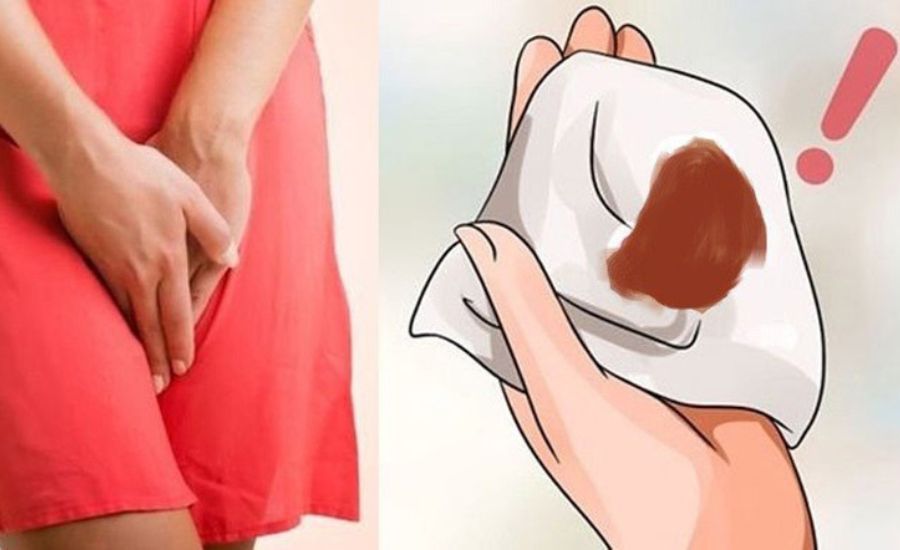
What Is Brown Vaginal Discharge?
Brown discharge is usually caused by old blood leaving the body.
Blood that takes longer to exit the uterus becomes oxidized, turning from bright red to dark brown.
Brown discharge may appear:
- Before a menstrual period
- After a menstrual period
- Between periods
- During hormonal fluctuations
- During pregnancy in some cases
Although brown discharge is often harmless, its significance depends on timing, associated symptoms, and individual health history.
Understanding Groin Pain
The groin refers to the area where the abdomen meets the upper thighs.
Groin pain may be:
- Sharp
- Dull
- Cramping
- Intermittent
- Constant
The pain can originate from:
- Muscles
- Ligaments
- Reproductive organs
- Urinary tract
- Digestive system
When groin pain occurs alongside brown discharge, reproductive or gynecological causes are often considered.
1. Menstrual Changes
One of the most common causes of brown discharge is the menstrual cycle itself.
Why It Happens
At the beginning or end of a period, blood flow is often lighter.
This slower-moving blood may appear brown rather than red.
Some women also experience mild pelvic or groin discomfort before or after menstruation.
Associated Symptoms
- Mild cramping
- Lower abdominal discomfort
- Back pain
- Spotting
Treatment
No treatment is usually required unless symptoms become unusually severe.
2. Ovulation
Some women experience light spotting and pelvic discomfort during ovulation.
Why It Happens
Ovulation occurs when an ovary releases an egg, typically around the middle of the menstrual cycle.
Minor bleeding can mix with vaginal secretions and appear brown.
Symptoms
- Mild groin pain on one side
- Light spotting
- Increased cervical mucus
Treatment
Ovulation-related symptoms typically resolve on their own within a few days.
3. Hormonal Imbalances
Hormones play a critical role in regulating the menstrual cycle.
When hormone levels fluctuate, women may experience:
- Irregular periods
- Brown discharge
- Pelvic discomfort
Possible Causes
- Stress
- Significant weight changes
- Thyroid disorders
- Polycystic ovary syndrome (PCOS)
- Perimenopause
Symptoms
- Irregular bleeding
- Mood changes
- Fatigue
- Acne
- Changes in menstrual flow
Treatment
Treatment depends on the underlying cause and may involve lifestyle modifications or hormonal therapies.
4. Early Pregnancy
Brown discharge can sometimes occur during early pregnancy.
Implantation Bleeding
When a fertilized egg attaches to the uterine lining, light spotting may occur.
This spotting is often:
- Light pink
- Brown
- Brief in duration
Associated Symptoms
- Mild pelvic discomfort
- Breast tenderness
- Fatigue
- Missed period
Treatment
If pregnancy is suspected, a pregnancy test and medical consultation are recommended.
5. Miscarriage
Unfortunately, brown discharge accompanied by pain may sometimes indicate pregnancy complications.
Symptoms
- Brown or red bleeding
- Pelvic pain
- Cramping
- Passage of tissue
When to Seek Help
Any bleeding or significant pain during pregnancy should be evaluated by a healthcare professional immediately.
6. Endometriosis
Endometriosis occurs when tissue similar to the uterine lining grows outside the uterus.
Symptoms
- Chronic pelvic pain
- Groin pain
- Painful periods
- Brown spotting
- Pain during intercourse
Why It Causes Symptoms
The misplaced tissue responds to hormonal changes and may bleed during the menstrual cycle.
Treatment
Treatment options may include:
- Pain management
- Hormonal medications
- Surgery in severe cases
7. Pelvic Inflammatory Disease (PID)
PID is an infection affecting the female reproductive organs.
Causes
It is often associated with untreated sexually transmitted infections.
Symptoms
- Pelvic or groin pain
- Abnormal discharge
- Brown spotting
- Fever
- Pain during intercourse
- Painful urination
Treatment
Prompt antibiotic treatment is essential to prevent complications.
8. Uterine Fibroids
Fibroids are non-cancerous growths that develop in the uterus.
Symptoms
- Heavy menstrual bleeding
- Brown discharge
- Pelvic pressure
- Groin discomfort
- Frequent urination
Treatment
Depending on size and symptoms, treatment may include:
- Monitoring
- Medications
- Surgical procedures
9. Ovarian Cysts
Ovarian cysts are fluid-filled sacs that form on the ovaries.
Symptoms
- One-sided groin pain
- Pelvic pressure
- Irregular bleeding
- Brown spotting
Treatment
Many ovarian cysts disappear naturally.
Larger or problematic cysts may require medical intervention.
10. Sexually Transmitted Infections (STIs)
Certain infections can cause abnormal discharge and pelvic discomfort.
Common Examples
- Chlamydia
- Gonorrhea
- Trichomoniasis
Symptoms
- Brown or unusual discharge
- Pelvic pain
- Burning during urination
- Bleeding between periods
Treatment
Appropriate antibiotic or antiparasitic medications are often effective.
Warning Signs That Require Immediate Medical Attention
Although many causes are relatively minor, some symptoms require urgent evaluation.
Seek medical care if you experience:
- Severe groin or pelvic pain
- Heavy bleeding
- Fever
- Fainting
- Positive pregnancy test with pain
- Dizziness
- Persistent symptoms lasting several weeks
These may indicate serious conditions requiring prompt treatment.
How Doctors Diagnose the Cause
Healthcare providers may recommend:
Medical History Review
Questions about:
- Menstrual cycle
- Pregnancy history
- Sexual activity
- Symptoms
Physical Examination
A pelvic examination may help identify abnormalities.
Laboratory Tests
- Pregnancy tests
- Blood tests
- Infection screening
Imaging Studies
Ultrasound imaging is commonly used to evaluate the uterus and ovaries.
Supporting Reproductive Health
Women can help maintain reproductive wellness through healthy habits such as:
Regular Checkups
Routine gynecological examinations can detect issues early.
Safe Sexual Practices
Using protection helps reduce the risk of sexually transmitted infections.
Balanced Nutrition
A healthy diet supports hormonal balance and overall wellness.
Stress Management
Chronic stress can influence reproductive hormones and menstrual cycles.
Exercise
Regular physical activity promotes overall health and hormone regulation.
Final Thoughts
Groin pain and brown discharge can result from a wide range of conditions, from normal menstrual changes and ovulation to hormonal imbalances, infections, endometriosis, ovarian cysts, and pregnancy-related issues.
In many cases, the symptoms are temporary and manageable. However, persistent pain, abnormal bleeding, fever, pregnancy-related symptoms, or severe discomfort should never be ignored.
Paying attention to your body's signals and seeking medical advice when symptoms become unusual or concerning can help ensure early diagnosis, effective treatment, and better long-term reproductive health.