Losing a loved one is one of life's most difficult experiences. In the days and weeks that follow, family members often face the emotional task of sorting through personal belongings. While some possessions may no longer serve a practical purpose, others carry deep sentimental, historical, or even legal value.
In moments of grief, it can be tempting to quickly clear out a home or donate belongings. However, many people later regret disposing of certain items that held memories, family history, or important information.
Before throwing anything away, it's worth taking time to carefully consider what should be preserved. Here are four types of items that are often worth keeping after someone passes away.
1. Photographs and Family Albums
Photographs are among the most valuable possessions a person can leave behind.
Unlike furniture, clothing, or household items, photographs preserve moments that can never be recreated.
Old photographs often capture:
- Family gatherings
- Weddings
- Birthdays
- Holidays
- Childhood memories
- Ancestors from previous generations
Many families discover that once photographs are lost, there is no way to recover them.
Why They Matter
Photos help future generations understand where they came from.
They tell stories that may otherwise be forgotten.
Even faded pictures can become treasured family heirlooms decades later.
What to Do Instead
Consider:
- Organizing albums
- Digitizing photographs
- Labeling names and dates
- Sharing copies with relatives
Preserving family photographs helps keep memories alive long after loved ones are gone.
2. Personal Letters and Handwritten Notes
In today's digital age, handwritten letters have become increasingly rare.
When someone passes away, letters, cards, journals, and handwritten notes often become priceless reminders of their personality and voice.
These items may include:
- Birthday cards
- Love letters
- Notes to family members
- Journals
- Recipes written by hand
- Holiday messages
Emotional Value
A handwritten note often carries a special emotional connection because it reflects the person's unique handwriting and personal thoughts.
Years later, family members may find comfort in reading words written by someone they deeply miss.
Preserving These Items
Store important documents in:
- Protective folders
- Acid-free storage boxes
- Digital scans
Even a simple handwritten grocery list can become meaningful after a loved one is gone.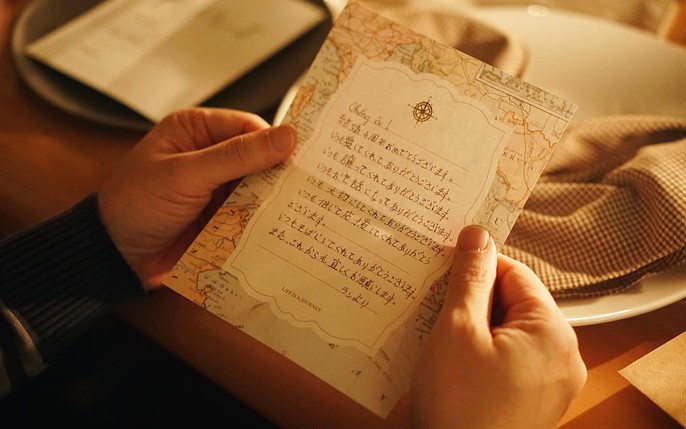
3. Important Legal and Financial Documents
While sentimental items are valuable emotionally, legal documents can be essential for practical reasons.
Many people unknowingly discard papers that may later be needed.
Examples include:
- Wills
- Property deeds
- Insurance policies
- Tax records
- Military service records
- Pension information
- Birth certificates
- Marriage certificates
Why They Matter
These documents may be necessary for:
- Settling estates
- Accessing benefits
- Resolving ownership issues
- Family genealogy research
Throwing them away too soon can create complications that take months or years to resolve.
Best Practice
Review documents carefully before disposing of anything.
When in doubt, consult:
- Attorneys
- Financial advisors
- Estate professionals
Proper organization can prevent significant problems later.
4. Meaningful Personal Belongings
Not every valuable item has monetary worth.
Sometimes the most cherished possessions are ordinary objects connected to special memories.
Examples might include:
- Jewelry
- Watches
- Favorite books
- Handmade crafts
- Family recipes
- Musical instruments
- Religious items
- Military medals
- Hobby collections
The Stories Behind the Objects
A simple wristwatch may remind a child of a parent's daily routine.
A cookbook may preserve family traditions.
A necklace may have been passed down through generations.
These objects often represent stories, values, and experiences that shaped a family's history.
Creating a Memory Collection
Some families create:
- Memory boxes
- Display shelves
- Scrapbooks
- Family archives
These collections allow future generations to connect with their heritage.
Why People Regret Throwing Things Away
Grief can affect decision-making.
During emotionally overwhelming periods, people may focus on clearing space rather than considering long-term significance.
Years later, they may wish they had kept:
- Old photos
- Letters
- Family heirlooms
- Recorded messages
Many people report that the items they regret losing are rarely expensive possessions. Instead, they are often the objects that carried emotional meaning.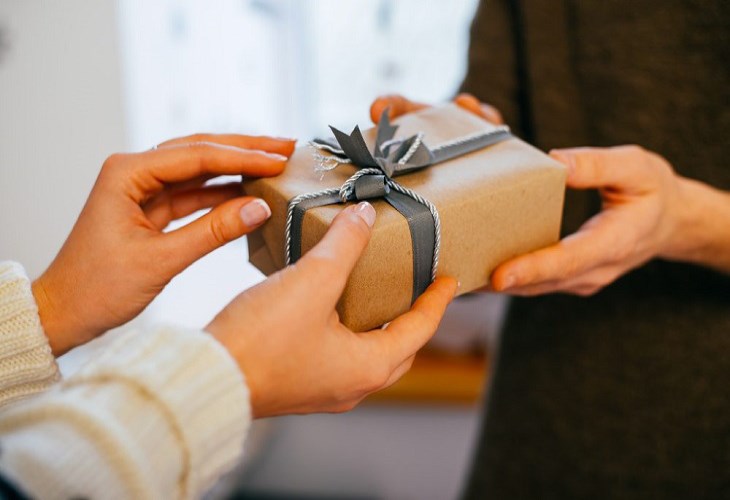
The Importance of Taking Your Time
One of the most common mistakes families make is rushing.
There is often no need to immediately sort every belonging.
Allowing time for emotions to settle can lead to better decisions.
If possible:
- Store items temporarily
- Review belongings gradually
- Involve family members
- Discuss what should be preserved
Different relatives may value different items, and collaboration can help avoid misunderstandings.
Modern Ways to Preserve Memories
Technology now offers additional options for preserving meaningful belongings.
Families can:
- Digitize photographs
- Scan documents
- Record family stories
- Create digital archives
- Preserve voice recordings
- Build family history websites
These tools help ensure memories remain accessible for future generations.
When It May Be Appropriate to Let Things Go
Keeping meaningful items does not mean preserving everything.
In fact, holding onto every possession may become overwhelming.
The goal is to identify items that carry:
- Historical value
- Emotional significance
- Legal importance
- Family meaning
After those items are secured, donating or recycling less important belongings can be a healthy and practical step.
Final Thoughts
When someone passes away, their belongings often become much more than physical objects. Photographs preserve memories, handwritten notes preserve voices, legal documents protect important rights, and personal keepsakes preserve family stories.
Before rushing to clear out a loved one's possessions, take time to carefully consider what should be saved. Many of the most valuable items are not those with the highest financial worth, but those that help future generations remember, understand, and stay connected to the people who came before them.
Years from now, a single photograph, letter, or cherished keepsake may become one of the most treasured possessions a family owns.