Avocados have become one of the most celebrated superfoods in the world, and for good reason. Their creamy texture, rich flavor, and impressive nutritional profile have made them a favorite among health-conscious individuals. From breakfast toast to smoothies and salads, avocados are now a staple in many healthy diets.
While the fruit itself receives most of the attention, there is growing interest in another part of the avocado that is often discarded: the seed. Researchers have been studying the nutritional compounds found in avocado seeds and exploring their potential health benefits. Although more human studies are needed to confirm many of the claims surrounding avocado seeds, early findings suggest they may contain valuable nutrients and bioactive compounds.
Let's take a closer look at what science currently tells us about the health benefits of avocados and their seeds.
Why Avocados Are Considered a Superfood
Unlike many fruits that are primarily composed of carbohydrates, avocados are rich in healthy fats. These fats are largely monounsaturated fatty acids, which are known for their positive effects on heart health.
A single avocado contains a variety of nutrients, including:
- Healthy monounsaturated fats
- Dietary fiber
- Potassium
- Vitamin K
- Vitamin E
- Vitamin C
- Folate
- Magnesium
- B vitamins
This unique combination of nutrients contributes to many of the health benefits associated with regular avocado consumption.
1. Supports Heart Health
One of the most well-established benefits of avocados is their ability to support cardiovascular health.
The monounsaturated fats found in avocados may help:
- Maintain healthy cholesterol levels
- Reduce LDL ("bad") cholesterol
- Support HDL ("good") cholesterol
- Improve blood vessel function
Potassium, another nutrient abundant in avocados, plays an important role in regulating blood pressure.
In fact, avocados contain more potassium than many people realize, often exceeding the amount found in bananas.
Maintaining healthy blood pressure and cholesterol levels can significantly reduce the risk of cardiovascular disease over time.
2. Rich in Powerful Antioxidants
The body constantly faces damage from unstable molecules known as free radicals.
When free radicals accumulate, they contribute to oxidative stress, which is linked to aging and many chronic diseases.
Avocados contain antioxidants such as:
- Vitamin E
- Vitamin C
- Lutein
- Zeaxanthin
- Polyphenols
These compounds help protect cells from damage and support overall wellness.
Antioxidants are particularly important because they may help reduce inflammation throughout the body.
3. Supports Eye Health
The eyes are especially vulnerable to oxidative stress.
Avocados are one of the best dietary sources of lutein and zeaxanthin, two carotenoids that accumulate in the retina.
Research suggests these compounds may help:
- Protect against age-related eye damage
- Support visual function
- Reduce exposure-related oxidative stress
- Maintain long-term eye health
Including avocados regularly in a balanced diet may help support healthy vision as people age.
4. Promotes Healthy Digestion
Fiber is essential for digestive health, and avocados provide a substantial amount.
A medium avocado contains both soluble and insoluble fiber.
Benefits of dietary fiber include:
- Supporting regular bowel movements
- Feeding beneficial gut bacteria
- Promoting digestive comfort
- Helping maintain gut health
A healthy digestive system plays an important role in overall wellness and immune function.
5. May Help with Weight Management
Although avocados are relatively calorie-dense, they can still support healthy weight management.
Their combination of healthy fats and fiber promotes feelings of fullness and satisfaction after meals.
This may help reduce overeating and unnecessary snacking throughout the day.
Many people find that adding avocado to meals makes it easier to maintain balanced eating habits.
6. Helps the Body Absorb Nutrients
Certain vitamins are fat-soluble, meaning they require dietary fat for proper absorption.
These include:
- Vitamin A
- Vitamin D
- Vitamin E
- Vitamin K
Because avocados contain healthy fats, they can enhance the absorption of nutrients from other foods.
For example, adding avocado to a salad may increase the body's ability to absorb beneficial compounds from vegetables.
7. Supports Healthy Skin
The nutrients found in avocados contribute to skin health from the inside out.
Vitamin E and healthy fats help support:
- Skin hydration
- Skin elasticity
- Protection from oxidative damage
Some studies suggest that diets rich in healthy fats may contribute to healthier-looking skin over time.
The Growing Interest in Avocado Seeds
For years, avocado seeds were viewed as waste and routinely thrown away.
However, researchers have discovered that avocado seeds contain a variety of potentially beneficial compounds, including:
- Polyphenols
- Antioxidants
- Fiber
- Plant-based phytochemicals
In fact, some studies have found that avocado seeds contain a high concentration of antioxidant compounds.
This has led scientists to investigate whether these compounds could provide additional health benefits.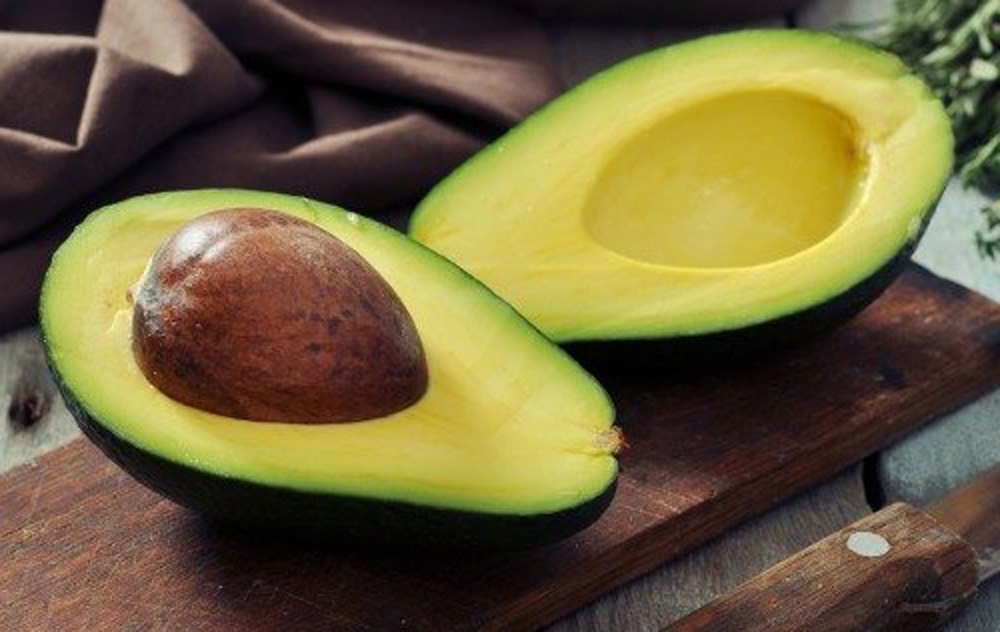
Potential Benefits of Avocado Seeds
1. High Antioxidant Content
Laboratory studies have shown that avocado seeds contain significant amounts of antioxidants.
These compounds may help neutralize free radicals and reduce oxidative stress.
Because oxidative stress is linked to chronic disease and aging, antioxidants remain an important area of nutritional research.
2. Rich in Fiber
Avocado seeds contain dietary fiber, which may support digestive health.
Fiber helps:
- Promote regular digestion
- Support gut bacteria
- Improve satiety
However, the hard texture of avocado seeds makes them difficult to consume without processing.
3. Potential Anti-Inflammatory Properties
Some preliminary research suggests that compounds within avocado seeds may possess anti-inflammatory properties.
Chronic inflammation has been linked to many health conditions, including cardiovascular disease and metabolic disorders.
While these findings are promising, additional human studies are necessary before firm conclusions can be made.
4. May Support Healthy Cholesterol Levels
Early research has suggested that certain compounds in avocado seeds may influence cholesterol metabolism.
However, most studies have been conducted in laboratory settings or animal models.
More research involving human participants is needed to verify these potential benefits.
Important Safety Considerations Regarding Avocado Seeds
Although avocado seeds contain interesting compounds, scientists continue to study their safety and effectiveness for human consumption.
Currently:
- Research remains limited
- Standard dosage recommendations do not exist
- Long-term safety has not been fully established
For this reason, health experts generally recommend caution before consuming avocado seed products regularly.
The flesh of the avocado remains the most thoroughly studied and widely recommended portion of the fruit.
Easy Ways to Enjoy Avocados
Adding avocados to a healthy diet is simple and versatile.
Popular options include:
Avocado Toast
A nutritious breakfast that combines healthy fats with whole grains.
Smoothies
Avocados create a creamy texture while adding valuable nutrients.
Salads
Sliced avocado pairs well with vegetables, beans, and lean proteins.
Guacamole
A classic dip made with avocado, herbs, and vegetables.
Sandwiches and Wraps
Avocado can replace less nutritious spreads while adding flavor and nutrition.
Who Should Include Avocados in Their Diet?
Most people can benefit from moderate avocado consumption as part of a balanced diet.
Avocados may be particularly valuable for individuals looking to:
- Support heart health
- Improve nutrient intake
- Increase dietary fiber
- Maintain healthy eating habits
- Add healthy fats to meals
As with any food, moderation remains important, especially for individuals following specific calorie-controlled diets.
Final Thoughts
Avocados have earned their reputation as one of the world's healthiest foods. Their impressive combination of healthy fats, fiber, vitamins, minerals, and antioxidants supports heart health, digestion, eye health, skin health, and overall wellness.
Meanwhile, avocado seeds have attracted growing scientific interest due to their high concentration of antioxidants and plant compounds. While preliminary research suggests potential health benefits, more human studies are needed before avocado seeds can be widely recommended as a nutritional supplement.
For now, regularly enjoying the nutrient-rich flesh of avocados remains one of the simplest and most delicious ways to support long-term health. Combined with a balanced diet, regular exercise, and healthy lifestyle habits, avocados can be a valuable addition to a wellness-focused routine.