Tiny White Worms in Strawberries? Here's What They Really Are—and Whether Your Berries Are Safe to Eat 🍓😱
A viral trend on social media has left many strawberry lovers shocked.
People across the internet have been soaking strawberries in salt water and posting videos showing tiny white worm-like creatures wriggling out of the fruit. For many viewers, the sight is enough to make them swear off strawberries forever.
But what exactly are these tiny white creatures? And does finding them mean your berries should go straight into the trash?
Here's what experts say.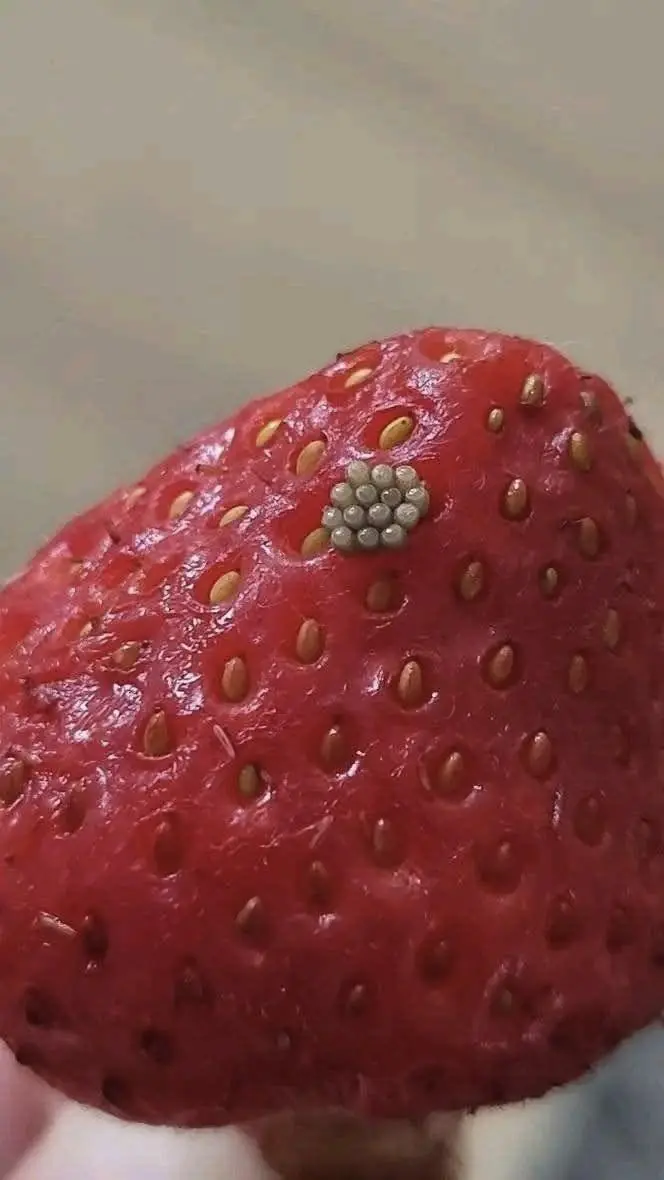
Why Do Tiny White Worms Appear in Strawberries?
The small white creatures seen in many viral videos are often the larvae of the spotted-wing drosophila, a type of fruit fly that lays eggs inside soft fruits such as strawberries, raspberries, blueberries, and cherries.
Unlike many other fruit flies that prefer overripe fruit, this species can lay eggs inside fruit while it is still ripening on the plant.
When the eggs hatch, tiny larvae develop inside the fruit. Because they are extremely small and often hidden within the berry, most people never notice them.
Why Does Salt Water Make Them Come Out?
When strawberries are soaked in salt water, the change in environment can cause some larvae to emerge from the fruit.
This doesn't mean the strawberries suddenly became infested after being placed in water. The larvae were already present inside the fruit.
The salt-water test simply makes them easier to see.
Some people also use vinegar-water solutions to help clean berries, although these methods are primarily intended to remove dirt, pesticide residues, and surface contaminants.
Are the Strawberries Still Safe to Eat?
According to food safety experts, finding a small number of fruit-fly larvae in fresh produce is generally not considered dangerous for healthy individuals.
In fact, tiny insects and insect fragments are commonly found in many fruits and vegetables. Regulatory agencies around the world recognize that completely eliminating every microscopic insect from agricultural products is virtually impossible.
While the idea may be unpleasant, accidentally consuming a few fruit-fly larvae is not typically associated with serious health risks.
Should You Throw the Strawberries Away?
Not necessarily.
If the strawberries appear fresh, firm, and free of mold or spoilage, experts generally do not consider the presence of occasional fruit-fly larvae a reason to discard the entire batch.
However, you may wish to throw them away if you notice:
- Visible mold growth
- Unpleasant odors
- Excessive softness or decay
- Signs of significant insect damage
- Large numbers of larvae throughout the fruit
When in doubt, use your judgment and prioritize food safety.
How to Clean Strawberries Properly

To help remove dirt and surface contaminants, experts recommend:
Rinse Before Eating
Wash strawberries under cool running water shortly before consumption.
Remove Damaged Berries
Discard any berries that are moldy, bruised, or visibly spoiled.
Avoid Washing Too Early
Washing berries before storage can increase moisture and accelerate spoilage.
Refrigerate Promptly
Store strawberries in the refrigerator and consume them within a few days for the best quality.
Why Social Media Reactions Can Be Misleading
Videos showing dozens of tiny larvae emerging from berries can be alarming, but they don't necessarily represent every package of strawberries.
Factors that influence larval presence include:
- Growing conditions
- Geographic region
- Time of year
- Farming practices
- Fruit variety
Many strawberries contain no visible larvae at all, while others may contain a small number that remain unnoticed.
The Bottom Line
Seeing tiny white worms emerge from strawberries during a salt-water soak can certainly be surprising. In most cases, however, these creatures are simply fruit-fly larvae that occasionally develop inside soft fruits before harvest.
While the discovery may be unpleasant, experts generally agree that finding a few larvae does not automatically make strawberries unsafe to eat.
The best approach is to inspect your fruit carefully, wash it properly, discard any spoiled berries, and remember that fresh produce naturally comes from outdoor environments where insects are part of the ecosystem.
For most people, strawberries remain a nutritious and delicious addition to a healthy diet.