Stomach cancer, also known as gastric cancer, is one of the most challenging forms of cancer to detect in its early stages. Unlike some diseases that cause obvious symptoms from the beginning, stomach cancer often develops quietly. Many of its early warning signs are subtle and can easily be mistaken for common digestive problems, stress, aging, or minor stomach discomfort.
Because these symptoms are often overlooked, many cases are diagnosed only after the disease has progressed. However, recognizing potential warning signs early may lead to faster medical evaluation and better treatment outcomes.
It's important to remember that having one or more of these symptoms does not automatically mean a person has stomach cancer. Many of these signs can be caused by less serious conditions. Nevertheless, persistent or unexplained symptoms should never be ignored.
Here are 15 potential warning signs that deserve attention.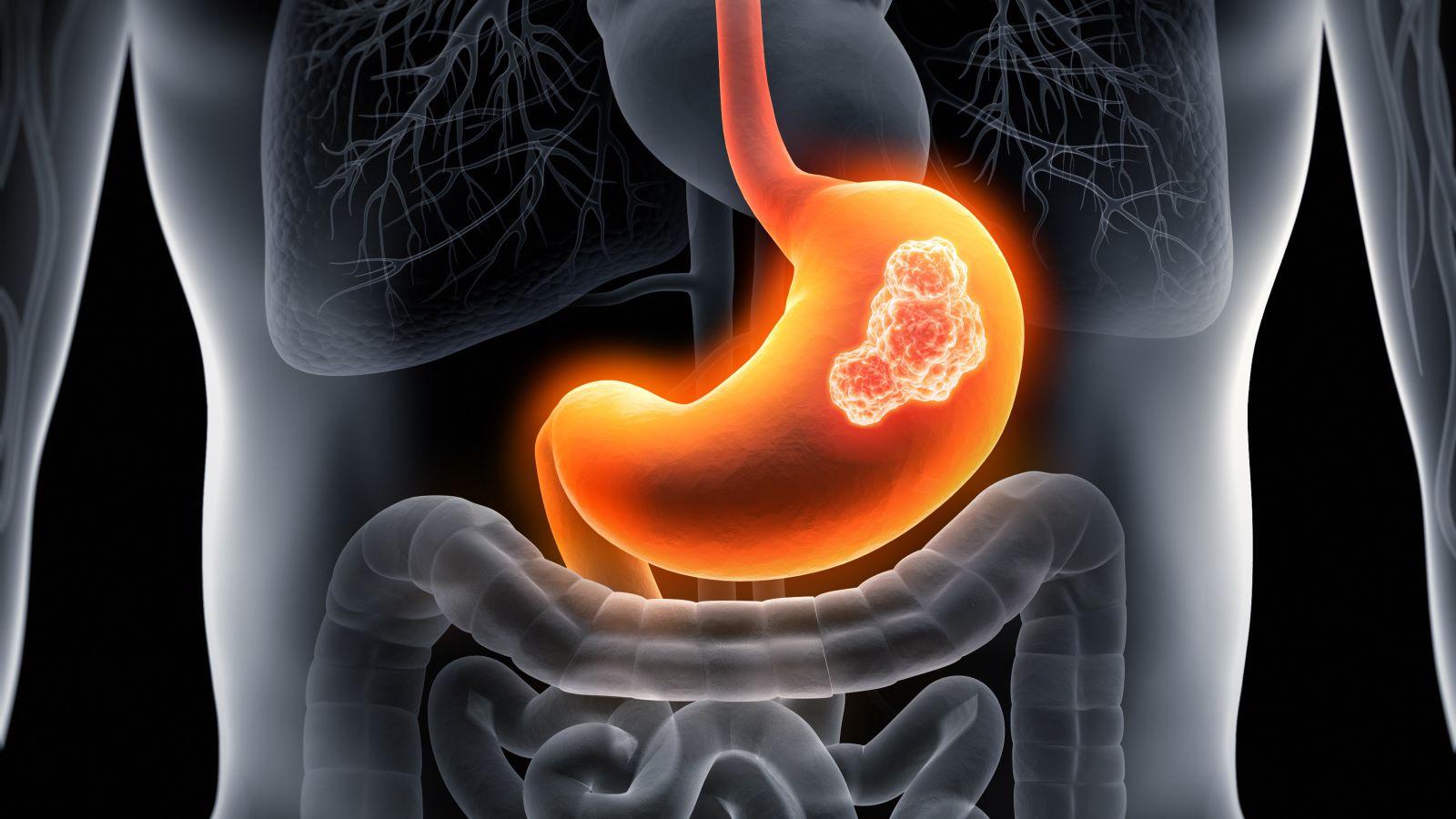
1. Persistent Indigestion
Many people experience occasional indigestion after a large meal. However, ongoing indigestion that occurs regularly without a clear explanation may warrant further investigation.
Symptoms can include:
- Burning sensations in the upper abdomen
- Discomfort after eating
- Frequent acid reflux
- Ongoing stomach irritation
When digestive issues persist despite dietary changes or treatment, it may be time to consult a healthcare professional.
2. Feeling Full Quickly
One of the lesser-known symptoms of stomach cancer is early satiety.
This occurs when a person feels full after eating only a small amount of food. Someone who previously enjoyed normal-sized meals may suddenly find it difficult to finish even a modest portion.
This symptom can gradually lead to reduced calorie intake and weight loss.
3. Loss of Appetite
A noticeable decrease in appetite is another warning sign that should not be ignored.
Individuals may lose interest in foods they once enjoyed or find themselves skipping meals because they simply do not feel hungry.
When appetite loss continues for several weeks, medical evaluation is recommended.
4. Unexplained Weight Loss
Unexpected weight loss is often one of the most concerning symptoms associated with many forms of cancer.
Losing weight without changing diet or exercise habits may indicate that the body is dealing with an underlying medical condition.
Significant weight loss should always be discussed with a healthcare provider.
5. Persistent Stomach Pain
Discomfort or pain in the upper abdomen may occur as stomach cancer develops.
The pain can range from mild to severe and may be:
- Constant
- Intermittent
- Dull
- Aching
- Burning
Persistent abdominal pain should never be ignored, especially if it continues for weeks or months.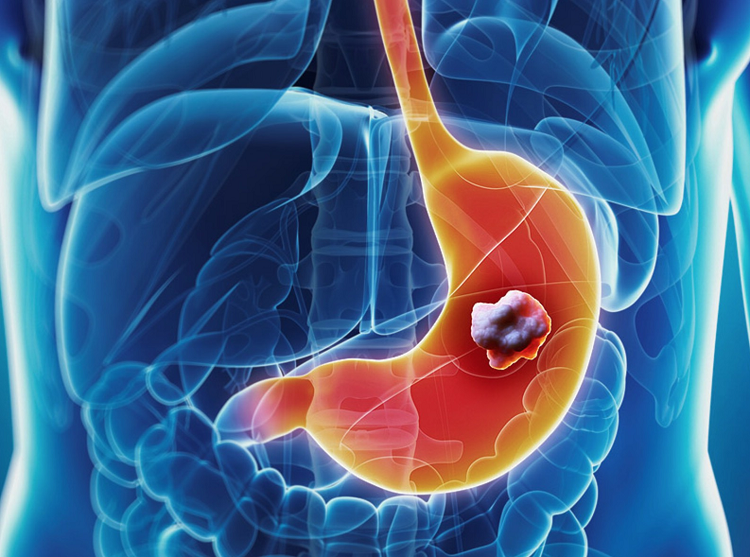
6. Frequent Bloating
Bloating after meals is common, but chronic bloating that occurs repeatedly may signal a more serious issue.
People with stomach cancer may experience:
- Abdominal fullness
- Pressure
- Swelling
- Increased discomfort after eating
If bloating becomes a regular occurrence, medical evaluation may be appropriate.
7. Nausea
Frequent nausea can develop when stomach function becomes impaired.
Some individuals experience mild nausea throughout the day, while others notice symptoms shortly after meals.
Persistent nausea deserves attention, particularly when combined with other digestive symptoms.
8. Vomiting
Repeated vomiting should always be taken seriously.
As stomach cancer progresses, it may interfere with the normal movement of food through the digestive tract, leading to episodes of vomiting.
In some cases, vomiting may become more frequent over time.
9. Difficulty Swallowing
Although difficulty swallowing is more commonly associated with cancers of the esophagus, certain stomach cancers can produce similar symptoms.
Individuals may feel as though food becomes stuck while swallowing or moves more slowly through the digestive tract.
This symptom requires prompt medical evaluation.
10. Fatigue and Weakness
Cancer can place significant demands on the body.
Many individuals with stomach cancer experience:
- Persistent tiredness
- Low energy
- Weakness
- Reduced physical endurance
Fatigue that does not improve with rest should not be dismissed as merely a result of a busy lifestyle.
11. Anemia
Stomach cancer may cause slow internal bleeding that is not immediately noticeable.
Over time, this blood loss can lead to anemia.
Symptoms of anemia may include:
- Pale skin
- Dizziness
- Shortness of breath
- Fatigue
- Weakness
Routine blood tests often detect anemia before the underlying cause becomes obvious.
12. Blood in the Stool
Blood in the stool can indicate several digestive conditions, including stomach cancer.
The blood may appear:
- Bright red
- Dark red
- Black and tarry
Black stools often suggest bleeding somewhere in the upper digestive tract and should be evaluated by a healthcare professional as soon as possible.
13. Vomiting Blood
Although less common, vomiting blood is a serious symptom that requires immediate medical attention.
The blood may appear bright red or resemble coffee grounds.
This can indicate bleeding within the stomach and should never be ignored.
14. Abdominal Swelling
In more advanced cases, fluid accumulation or tumor growth may cause visible abdominal swelling.
People may notice:
- Increased waist size
- Tightness in clothing
- A sensation of pressure in the abdomen
Any unexplained abdominal enlargement deserves medical assessment.
15. Persistent Heartburn or Acid Reflux
Occasional heartburn is common, but chronic heartburn that continues despite treatment may require further investigation.
Persistent acid reflux, particularly when accompanied by other symptoms on this list, should not be dismissed.
While heartburn is often caused by benign conditions, it can sometimes be associated with more serious digestive disorders.
Risk Factors for Stomach Cancer
Several factors may increase the risk of developing stomach cancer.
These include:
- Smoking
- Heavy alcohol consumption
- Family history of stomach cancer
- Chronic stomach inflammation
- Infection with Helicobacter pylori (H. pylori)
- Diets high in processed and smoked foods
- Obesity
- Increasing age
Having one or more risk factors does not guarantee cancer will develop, but awareness can encourage earlier screening and prevention efforts.
When Should You See a Doctor?
Many stomach cancer symptoms overlap with common digestive conditions. However, medical evaluation is especially important when symptoms:
- Persist for several weeks
- Become progressively worse
- Occur together
- Interfere with daily life
- Are accompanied by unexplained weight loss or bleeding
Doctors may use imaging tests, blood work, endoscopy, and biopsies to determine the cause of symptoms.
Why Early Detection Matters
The earlier stomach cancer is identified, the greater the likelihood of successful treatment.
When detected in its early stages, treatment options may include:
- Surgery
- Targeted therapies
- Chemotherapy
- Immunotherapy
- Radiation therapy
Unfortunately, many cases are discovered only after symptoms become severe, making early awareness especially important.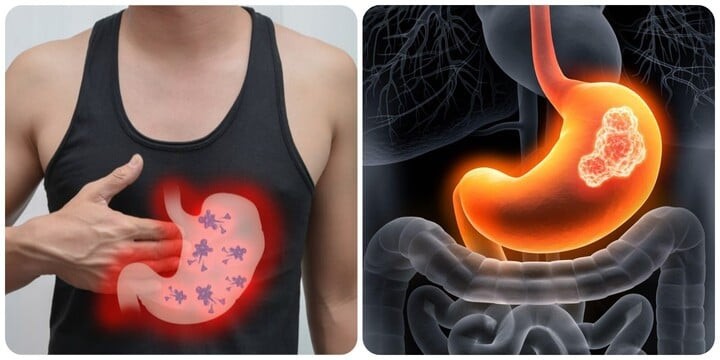
Final Thoughts
Stomach cancer is often called a "silent disease" because its early symptoms can be vague and easy to overlook. Persistent indigestion, loss of appetite, unexplained weight loss, stomach pain, bloating, fatigue, anemia, and gastrointestinal bleeding are all potential warning signs that deserve attention.
Most of these symptoms can be caused by conditions other than cancer, but persistent or unusual changes in your health should never be ignored. Paying attention to what your body is telling you and seeking medical advice when symptoms continue may lead to earlier diagnosis and better outcomes.
Awareness is not about fear - it is about giving yourself the best opportunity to protect your health and take action when something does not feel right.