The gallbladder is a small organ located beneath the liver, yet it plays an important role in the digestive process. Its primary function is to store and release bile, a digestive fluid produced by the liver that helps break down fats. Although many people rarely think about their gallbladder, problems with this organ can significantly affect overall health and quality of life.
Gallbladder disease is surprisingly common, affecting millions of people worldwide. Unfortunately, many individuals ignore the early warning signs, mistaking them for simple indigestion, stomach discomfort, or temporary digestive issues. Recognizing gallbladder trouble early can help prevent serious complications and ensure timely treatment.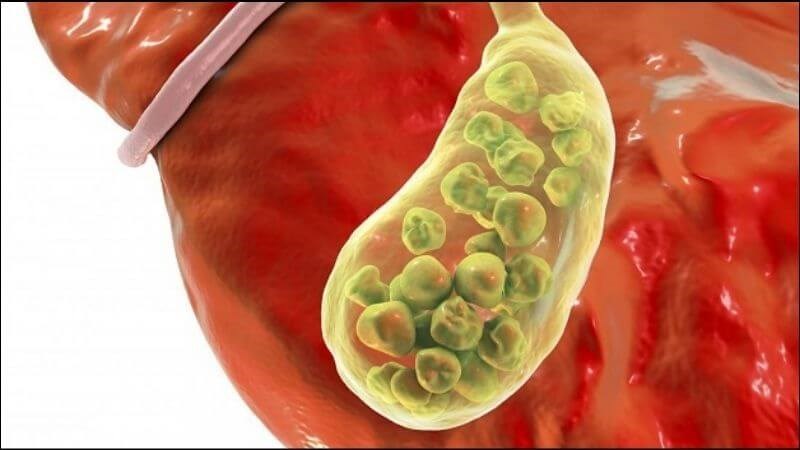
Understanding Gallbladder Problems
Several conditions can affect the gallbladder. The most common include:
- Gallstones
- Inflammation of the gallbladder (cholecystitis)
- Blocked bile ducts
- Gallbladder polyps
- Gallbladder dysfunction
- Rare cases of gallbladder cancer
Gallstones are by far the most frequent cause of gallbladder-related symptoms. These hardened deposits can vary in size from tiny grains to large stones and may block the flow of bile, causing pain and other digestive problems.
Pain in the Upper Right Abdomen
One of the most recognizable symptoms of gallbladder trouble is pain in the upper right side of the abdomen.
This discomfort may begin suddenly and range from mild to severe. Some people describe it as a sharp stabbing pain, while others experience a dull ache that gradually intensifies.
The pain often occurs after eating, particularly following a meal rich in fats. Since the gallbladder releases bile to digest fatty foods, eating can trigger symptoms when the organ is inflamed or blocked.
The pain may last anywhere from a few minutes to several hours and can return repeatedly over time.
Pain That Radiates to the Back or Shoulder
Gallbladder pain does not always stay confined to the abdomen. Many people report discomfort that spreads to the upper back, especially between the shoulder blades.
Others experience pain in the right shoulder. Because of this unusual pattern, gallbladder problems are sometimes mistaken for muscle strain or back issues.
If recurring pain consistently follows meals and radiates toward the back or shoulder, the gallbladder may be the underlying cause.
Nausea and Vomiting
Frequent nausea can be another warning sign of gallbladder disease.
When bile cannot flow properly, digestion becomes less efficient, often leading to feelings of nausea. In more severe cases, vomiting may occur, particularly during gallbladder attacks.
People experiencing repeated episodes of nausea after eating should not dismiss the symptom, especially if it is accompanied by abdominal pain.
Digestive Problems After Eating
The gallbladder plays a critical role in digesting fats. When it does not function properly, digestive symptoms often develop.
Common complaints include:
- Bloating
- Excessive gas
- Indigestion
- Stomach discomfort
- Feeling overly full after meals
These symptoms may seem minor at first, but when they occur consistently, they can indicate an underlying gallbladder issue.
Many people spend months or even years treating what they believe is simple indigestion before discovering that their gallbladder is responsible.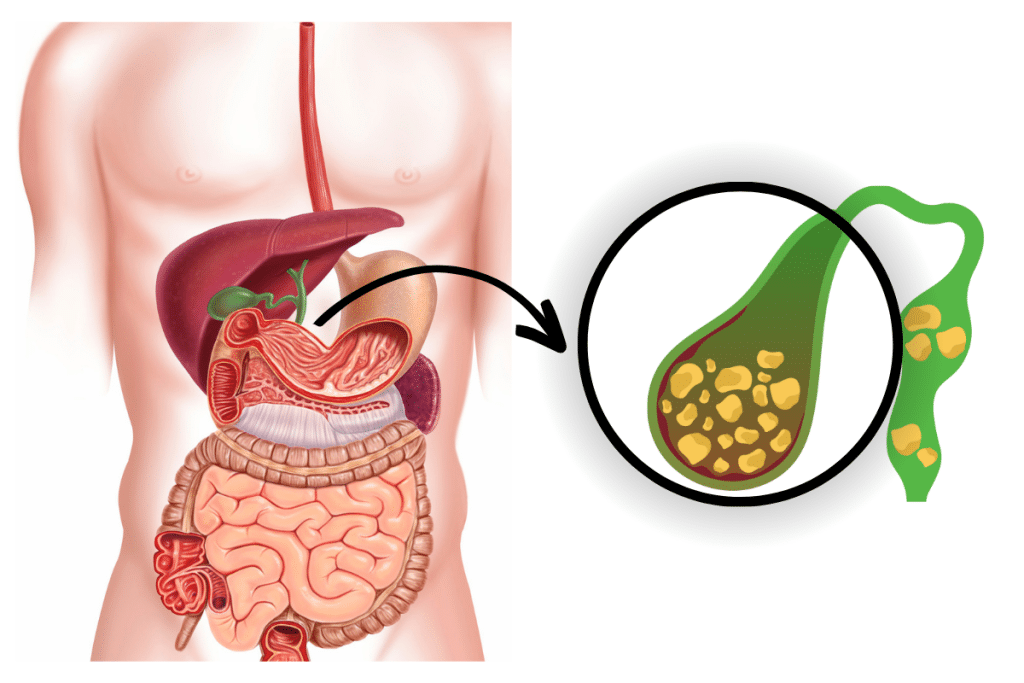
Intolerance to Fatty Foods
One of the earliest clues of gallbladder dysfunction is difficulty digesting fatty foods.
Meals containing fried foods, butter, cream sauces, cheese, or fatty meats may trigger discomfort shortly after eating.
Individuals often notice that symptoms become worse after restaurant meals, fast food, or holiday feasts that contain higher levels of fat.
Over time, some people begin avoiding certain foods because they know those meals will lead to pain or digestive distress.
Fever and Chills
A fever accompanied by abdominal pain can indicate a more serious gallbladder problem.
Inflammation or infection of the gallbladder may cause:
- Fever
- Chills
- Sweating
- General feelings of illness
These symptoms should never be ignored. A gallbladder infection can become a medical emergency if left untreated.
Anyone experiencing abdominal pain together with fever should seek prompt medical attention.
Jaundice
Jaundice is a condition that causes yellowing of the skin and eyes.
This symptom occurs when bile cannot flow properly and bilirubin builds up in the bloodstream. A blocked bile duct caused by gallstones is a common reason for jaundice.
Other signs may include:
- Dark urine
- Pale-colored stools
- Itchy skin
Jaundice requires immediate medical evaluation because it may indicate a significant blockage within the biliary system.
Changes in Stool and Urine Color
The color of stool and urine can provide valuable clues about gallbladder health.
A blockage in bile flow may result in:
- Clay-colored or pale stools
- Dark brown urine
- Foul-smelling bowel movements
These changes occur because bile pigments are no longer reaching the digestive tract normally.
Persistent changes in stool or urine color should always be discussed with a healthcare professional.
Sudden and Intense Gallbladder Attacks
A gallbladder attack often occurs without warning.
Symptoms may include:
- Severe upper abdominal pain
- Nausea
- Vomiting
- Sweating
- Restlessness
The attack frequently develops after a heavy or fatty meal and may last several hours.
Many individuals describe the pain as one of the most intense forms of discomfort they have ever experienced.
Even if symptoms eventually disappear, medical evaluation is important because the underlying cause may still require treatment.
Who Is at Higher Risk?
Certain factors increase the likelihood of developing gallbladder disease.
These include:
- Being overweight or obese
- Rapid weight loss
- A high-fat diet
- Diabetes
- Family history of gallstones
- Pregnancy
- Increasing age
- Female gender
However, gallbladder problems can occur in anyone, including young and otherwise healthy individuals.
When to Seek Medical Help
Medical attention should be sought immediately if symptoms include:
- Severe abdominal pain
- Fever and chills
- Yellowing of the skin or eyes
- Persistent vomiting
- Difficulty breathing due to pain
- Symptoms lasting several hours
Early diagnosis often involves blood tests, ultrasound imaging, and other diagnostic procedures that can identify the source of the problem before complications develop.
Preventing Gallbladder Problems
While not all gallbladder conditions can be prevented, certain lifestyle habits may reduce risk.
Helpful strategies include:
- Maintaining a healthy weight
- Eating a balanced diet rich in fruits and vegetables
- Limiting excessive consumption of fried and fatty foods
- Exercising regularly
- Staying hydrated
- Avoiding rapid weight-loss programs
Gradual and sustainable lifestyle changes can support healthy gallbladder function and improve overall digestive health.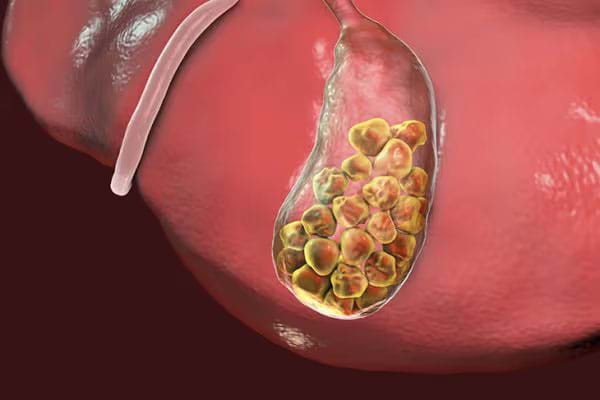
Final Thoughts
The gallbladder may be small, but the symptoms it produces should never be overlooked. Recurring upper abdominal pain, nausea, digestive disturbances, intolerance to fatty foods, jaundice, and sudden gallbladder attacks can all signal an underlying problem that requires attention.
Many people assume these symptoms are simply part of aging or occasional digestive upset. However, recognizing gallbladder trouble early can make a significant difference in treatment outcomes and help prevent serious complications.
Listening to your body's warning signs and seeking medical evaluation when symptoms persist is one of the most important steps you can take to protect your digestive health and overall well-being.