
Early Detection Matters: Signs of Kidney Disease and Ways to Support Healthy Kidneys
What Your Body May Be Telling You About Kidney Health: Early Symptoms to Watch For
Health 01/06/2026 10:14
Hearing your doctor recommend a colonoscopy can trigger a range of emotions. Some people feel anxious about the procedure, while others immediately start wondering whether it's truly necessary.
If you've recently been advised to undergo a colonoscopy, you're not alone. Colonoscopies are among the most common screening tools used to detect colorectal cancer, identify precancerous polyps, and investigate digestive symptoms. Understanding why the test has been recommended—and what questions to ask—can help you make informed decisions about your health.

A colonoscopy allows doctors to examine the lining of the colon and rectum using a thin, flexible tube equipped with a tiny camera.
Your healthcare provider may recommend the procedure if:
Because colorectal cancer often develops without obvious symptoms in its early stages, screening plays a crucial role in early detection.
It's perfectly reasonable to ask questions before agreeing to any medical procedure. In fact, many healthcare professionals encourage patients to become active participants in their care.
Consider asking:
Understanding the specific reason can help you evaluate your personal risk factors and the urgency of the recommendation.
Depending on your age, risk level, and symptoms, alternatives such as stool-based tests or CT colonography may be available. However, these options may not be appropriate for everyone.
Like any medical procedure, colonoscopy has both benefits and risks. Your doctor can explain potential complications, although serious problems are relatively uncommon.
Preparation is often considered the most challenging part of the process. Knowing exactly what to expect can reduce stress and help ensure accurate results.
Many polyps can be removed during the procedure, potentially preventing them from developing into cancer later.

One reason colonoscopies are considered the gold standard for colorectal screening is that they can both detect and prevent disease.
Unlike some screening tests that simply identify potential problems, colonoscopy allows doctors to remove suspicious growths immediately during the examination.
Research has shown that early detection significantly improves treatment outcomes for colorectal cancer. Finding abnormalities before symptoms develop can often make treatment simpler and more effective.
Many people postpone colonoscopies because of fear or embarrassment.
Common concerns include:
Most colonoscopies are performed under sedation, meaning patients are generally comfortable and often remember little about the procedure.
The bowel-cleansing process is frequently cited as the least pleasant aspect. However, newer preparation methods have improved significantly compared to those used years ago.
Some individuals worry about what doctors might discover. While these concerns are understandable, delaying testing can allow potential problems to progress unnoticed.

If you and your doctor agree that a colonoscopy is appropriate, preparation typically includes:
Carefully following preparation instructions helps ensure the clearest possible view of the colon and reduces the likelihood of needing repeat testing.
Certain individuals may benefit from earlier or more frequent screening, including those with:
Your doctor can help determine the screening schedule that's most appropriate for your individual situation.
A recommendation for a colonoscopy isn't necessarily a reason to panic—it's often a proactive step toward protecting your long-term health.
Rather than viewing the procedure as something to fear, consider it an opportunity to gather valuable information and potentially prevent serious disease before it develops.
If your doctor recommends a colonoscopy, don't hesitate to ask questions, discuss your concerns, and fully understand your options. The more informed you are, the more confident you'll feel about making the decision that's right for you.
Remember: when it comes to colorectal health, early detection can make a life-changing difference.
What Your Body May Be Telling You About Kidney Health: Early Symptoms to Watch For

Have White Spots Started Appearing on Your Arms or Legs?

Experiencing Hip Pain? It May Be Trying to Tell You Something Important

A Viral Mukbang Story Is Prompting New Health Discussions

🚫 Before You Eat Cucumber, Make Sure You're Not Combining It With These Foods
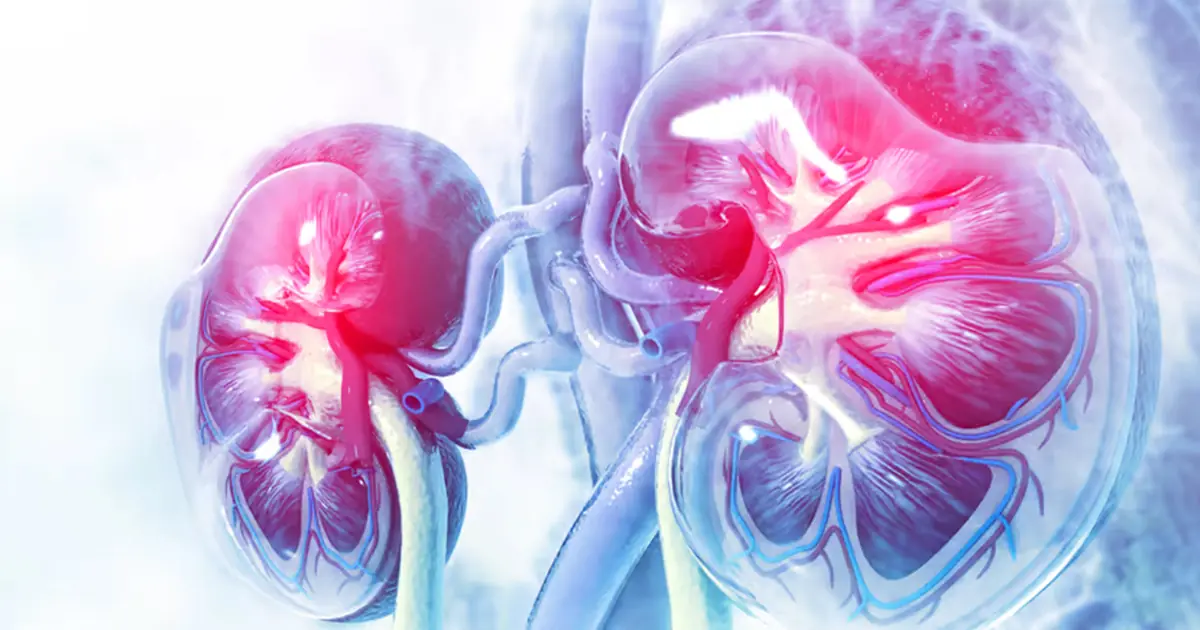
Your Body Is Giving You Clues: 8 Kidney Warning Signs You Shouldn't Overlook

9 Surprising Nail Changes That May Indicate Hidden Health Conditions

The Six Foods He Credits for His Longevity

9 Nighttime Symptoms That Could Signal Diabetes

A Simple Two-Finger Test May Indicate Whether You Could Be at Risk

Pay Special Attention to Sign #1
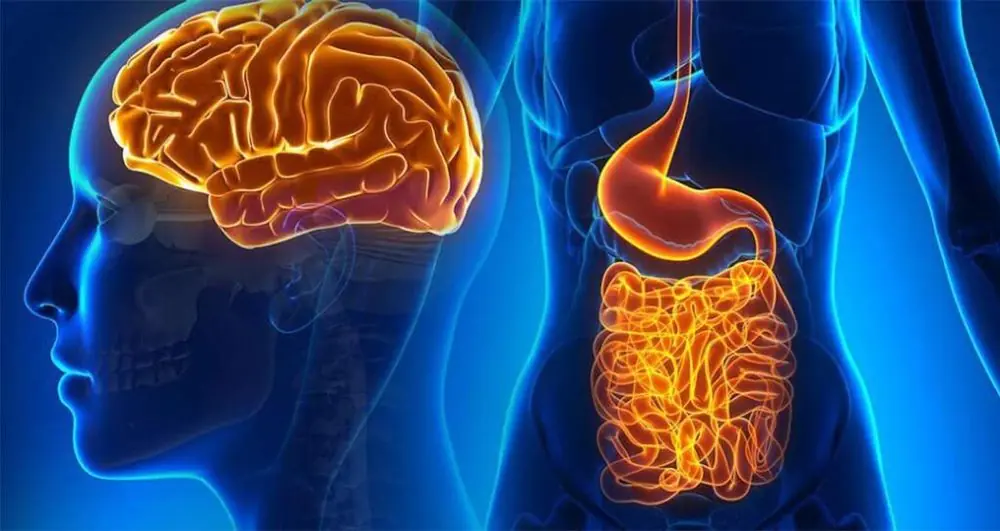
Why Is the Digestive System Called the “Second Brain”?

Choosing the wrong one could mean missing out on important nutritional benefits.
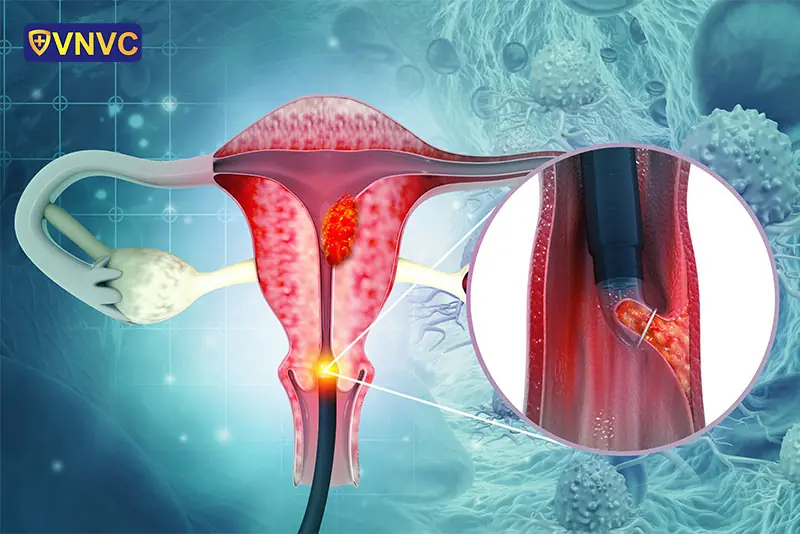
5 War.ning Signs
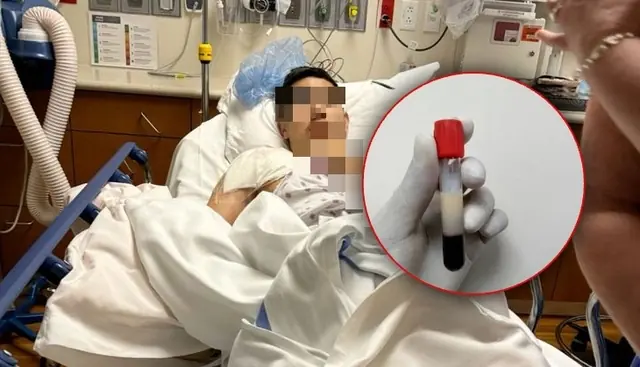
What This Young Man Ate Every Day Shocked Doctors

What Happens When You Drink Water Immediately After Waking Up?
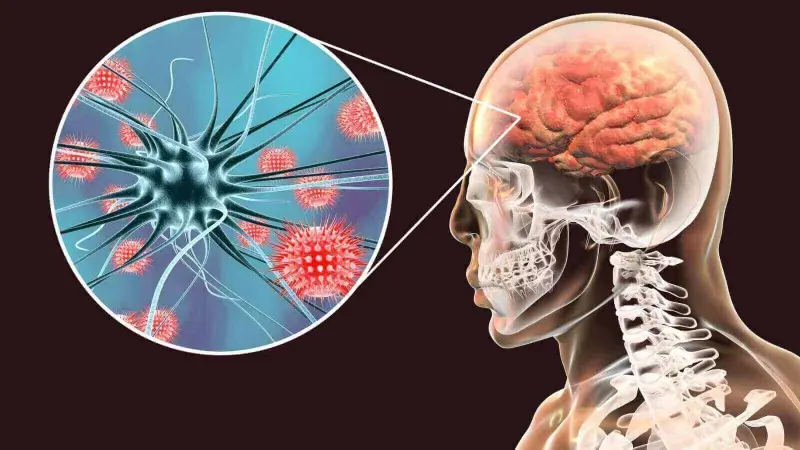
Could It Be Meningitis? Early Warning Signs Everyone Should Be Aware Of

Cheap Doesn't Mean Safe: 8 Fish You May Want to Leave at the Market
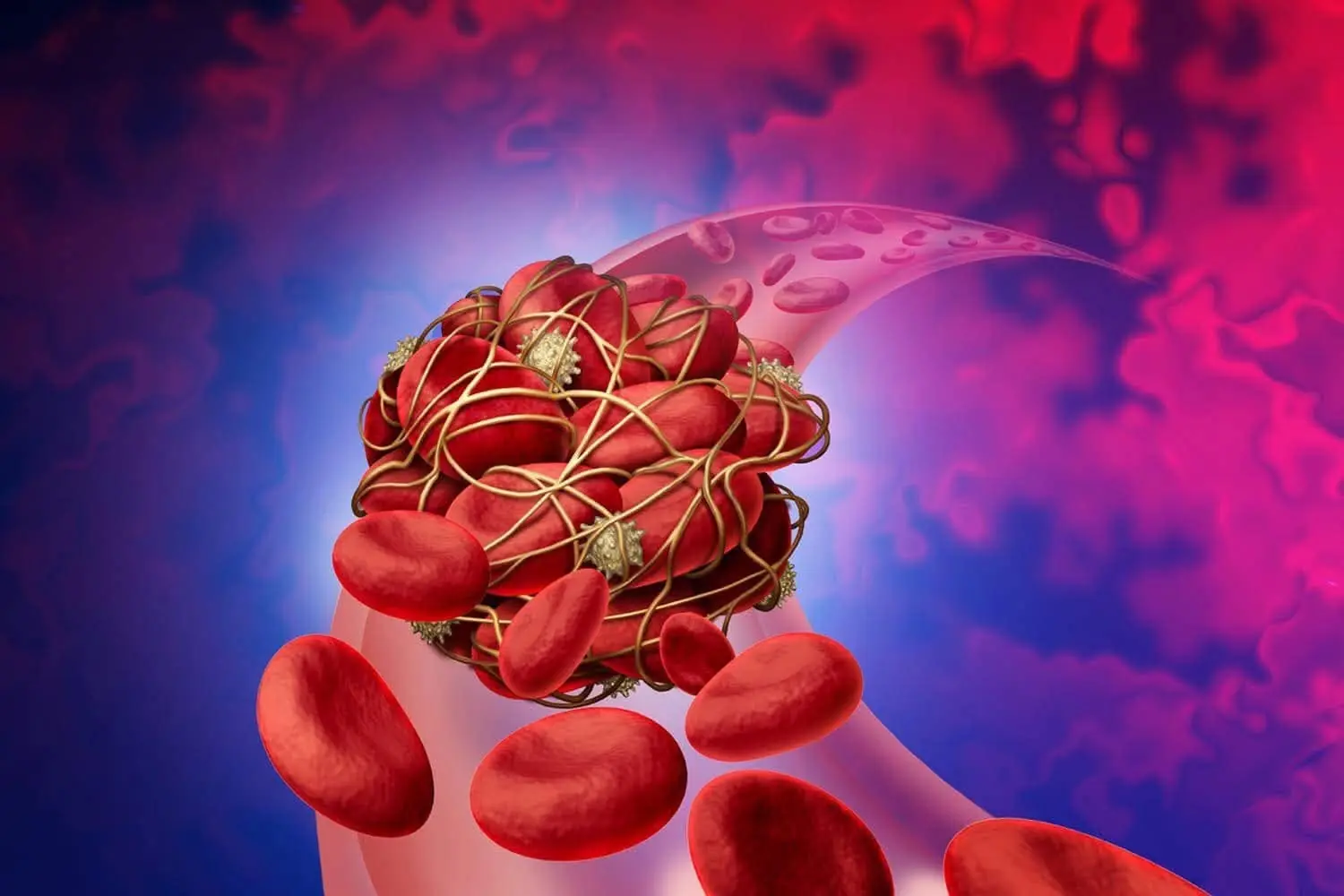
Eating It Regularly May Help Reduce the Risk of Stro.ke and He.art Att.ack
What Your Body May Be Telling You About Kidney Health: Early Symptoms to Watch For
Have White Spots Started Appearing on Your Arms or Legs?
Experiencing Hip Pain? It May Be Trying to Tell You Something Important
A Viral Mukbang Story Is Prompting New Health Discussions
🚫 Before You Eat Cucumber, Make Sure You're Not Combining It With These Foods
Your Body Is Giving You Clues: 8 Kidney Warning Signs You Shouldn't Overlook
9 Surprising Nail Changes That May Indicate Hidden Health Conditions

The Egg Debate Continues—Doctors Reveal New Insights You Need to Know

This simple household hack is easy to do and can benefit almost any home.
The Six Foods He Credits for His Longevity
9 Nighttime Symptoms That Could Signal Diabetes
A Simple Two-Finger Test May Indicate Whether You Could Be at Risk
Pay Special Attention to Sign #1
Why Is the Digestive System Called the “Second Brain”?
Choosing the wrong one could mean missing out on important nutritional benefits.
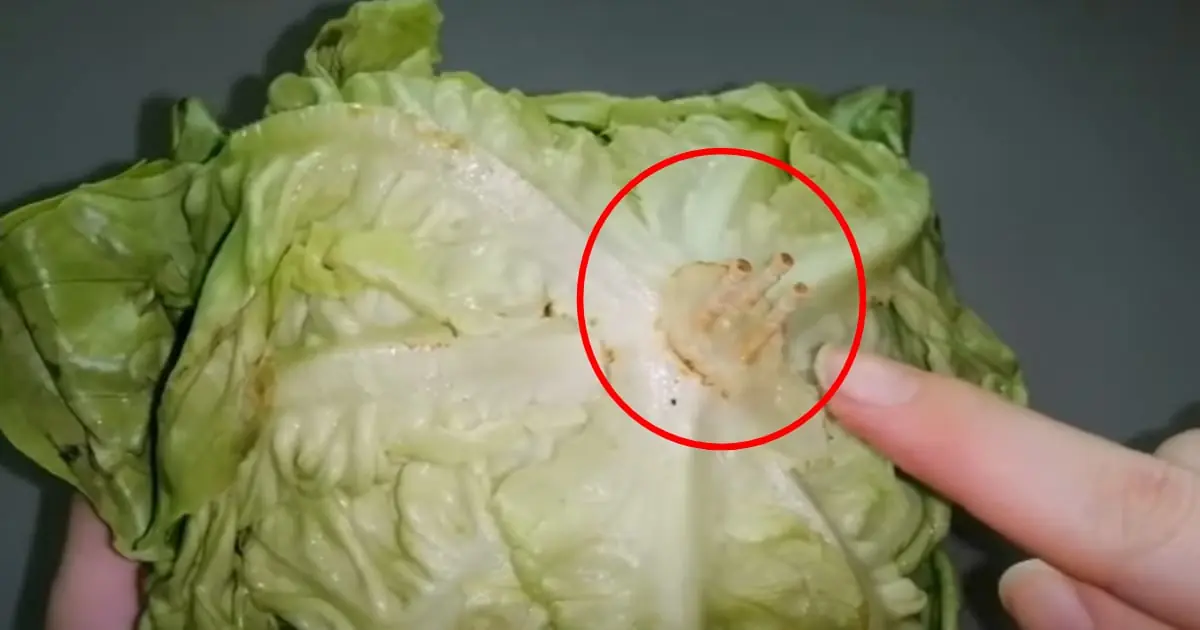
The toothpick trick may sound unusual, but it can help keep lettuce fresh much longer.
5 War.ning Signs

These are simple methods trusted by many home cooks.
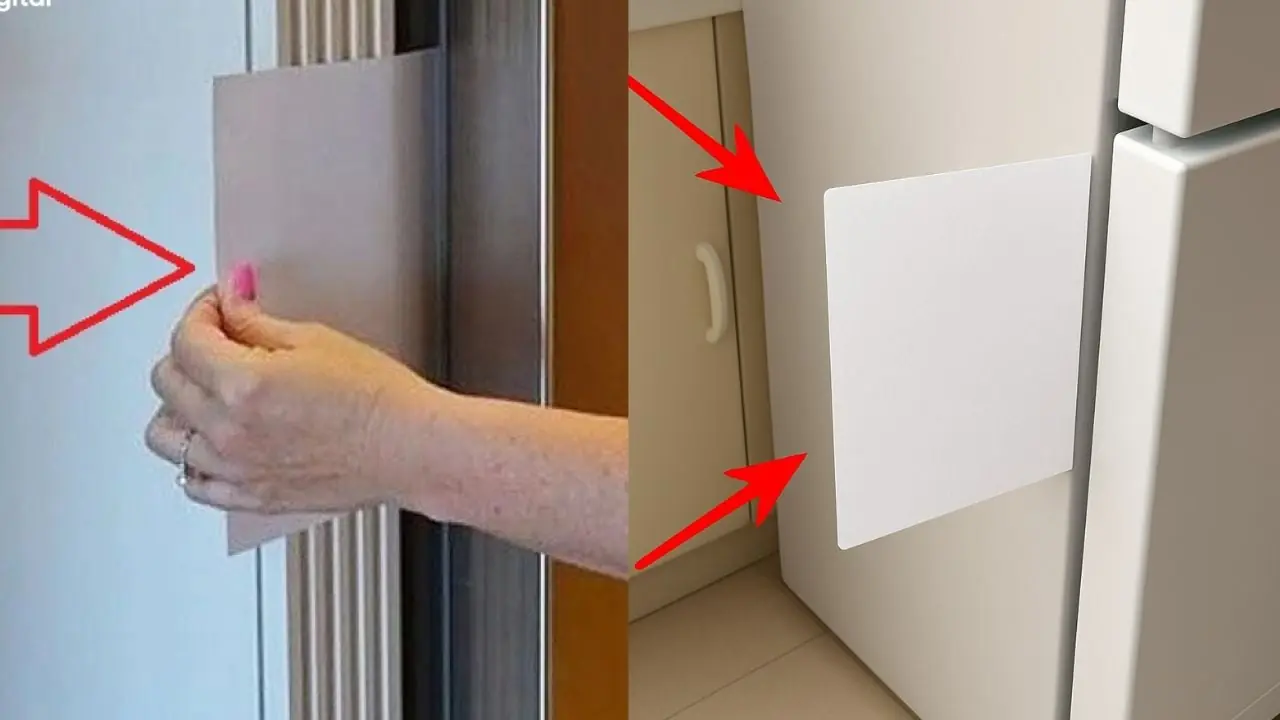
The method is surprisingly simple.