Meningitis is a serious medical condition that occurs when the protective membranes surrounding the brain and spinal cord, known as the meninges, become inflamed. While meningitis can affect people of any age, it is particularly concerning because symptoms can develop rapidly and, in some cases, become life-threatening if not treated promptly.
One of the greatest challenges with meningitis is that its early symptoms often resemble those of common illnesses such as the flu, making it easy to overlook during the initial stages. This is why awareness and early recognition are so important.
Understanding the warning signs may help individuals seek medical attention sooner, potentially leading to faster diagnosis and treatment.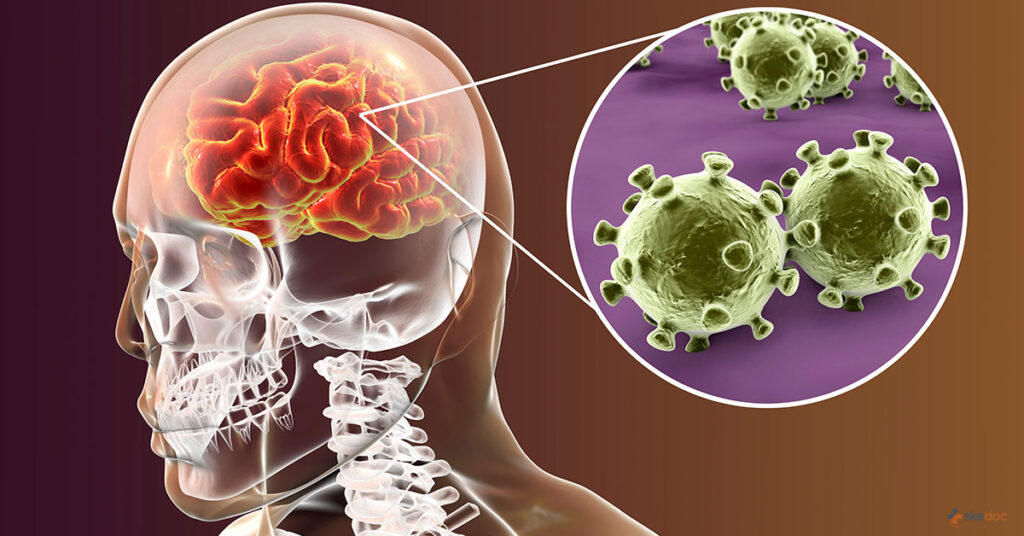
What Is Meningitis?
Meningitis is an inflammation of the membranes that cover the brain and spinal cord.
The condition may be caused by:
- Viruses
- Bacteria
- Fungi
- Certain parasites
- Rare non-infectious causes
The severity of meningitis depends largely on its cause.
Viral Meningitis
Often less severe and may resolve with supportive care.
Bacterial Meningitis
A medical emergency that requires immediate treatment.
Fungal Meningitis
Less common but can occur in individuals with weakened immune systems.
Because different forms of meningitis can produce similar symptoms, professional medical evaluation is essential.
Why Early Detection Is So Important
Meningitis can progress quickly.
In some cases, serious complications may develop within hours.
Early treatment may help reduce the risk of complications involving:
- The brain
- Hearing
- Vision
- Neurological function
Recognizing symptoms and seeking prompt medical care remains one of the most important steps in managing the condition.
1. Sudden High Fever
One of the most common early symptoms is fever.
The fever may:
- Develop rapidly
- Reach high temperatures
- Be accompanied by chills
Because fever is associated with many illnesses, it may not immediately raise concerns.
However, fever combined with other symptoms should never be ignored.
How Fever May Differ
Unlike a mild cold, meningitis-related fever often appears alongside significant discomfort and worsening symptoms.
2. Severe Headache
A headache associated with meningitis is often described as intense and persistent.
It may:
- Develop suddenly
- Become progressively worse
- Feel different from typical headaches
The pain may not improve with usual remedies.
Because many people experience headaches regularly, recognizing unusual severity is important.
When to Be Concerned
Seek medical attention if a headache is:
- Severe
- Persistent
- Accompanied by fever
- Occurring with other neurological symptoms
3. Stiff Neck
Neck stiffness is considered one of the classic symptoms of meningitis.
Individuals may notice:
- Difficulty bending the neck forward
- Pain when moving the neck
- Reduced range of motion
This symptom occurs because inflammation affects tissues surrounding the brain and spinal cord.
Why It Matters
A stiff neck combined with fever and headache should always be taken seriously.
Doctors often consider this symptom an important clue during evaluation.
4. Sensitivity to Light
Many individuals with meningitis experience increased sensitivity to light.
This condition, known as photophobia, may cause:
- Eye discomfort
- Pain when exposed to bright light
- Preference for dark rooms
The symptom can occur alongside severe headaches.
Why Light Becomes Uncomfortable
Inflammation affecting the nervous system may increase sensitivity to visual stimuli.
This symptom is not unique to meningitis but should be considered when it occurs with other warning signs.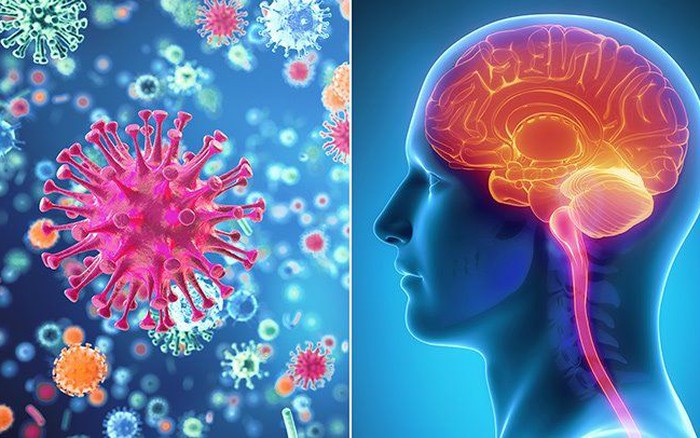
5. Nausea and Vomiting
Digestive symptoms can also occur.
These may include:
- Nausea
- Vomiting
- Loss of appetite
Because these symptoms are common in many illnesses, they may not initially suggest meningitis.
However, their presence alongside fever, headache, and neck stiffness increases concern.
6. Confusion or Difficulty Concentrating
As meningitis progresses, it may affect brain function.
Potential symptoms include:
- Confusion
- Difficulty concentrating
- Disorientation
- Changes in mental status
Individuals may seem unusually forgetful or have trouble responding normally.
This symptom requires urgent medical attention.
7. Excessive Sleepiness
Many people with meningitis experience profound fatigue.
They may:
- Sleep more than usual
- Have difficulty staying awake
- Seem unusually lethargic
This symptom can be especially concerning when combined with fever and neurological changes.
Children and Infants
Young children may become:
- Less responsive
- Difficult to wake
- Unusually quiet
Parents should seek immediate medical advice if these symptoms occur.
8. Skin Rash
Certain forms of bacterial meningitis can be associated with a rash.
The rash may:
- Appear as red or purple spots
- Spread rapidly
- Fail to fade when pressed
This symptom should always be treated as a medical emergency.
Not All Meningitis Causes a Rash
It's important to remember that meningitis can occur without any skin changes.
Absence of a rash does not rule out the condition.
Symptoms in Infants May Be Different
Babies often do not display the classic symptoms seen in adults.
Possible signs include:
- Poor feeding
- Irritability
- Excessive crying
- Fever
- Unusual sleepiness
- Bulging soft spot on the head
Because symptoms may be subtle, parents should trust their instincts if something seems wrong.
Who Is at Higher Risk?
Although meningitis can affect anyone, certain groups face higher risks.
These include:
- Infants
- Young children
- Teenagers
- College students
- Older adults
- Individuals with weakened immune systems
Vaccination has significantly reduced the incidence of several forms of meningitis.
The Role of Vaccination
Vaccines are available for certain bacteria that can cause meningitis.
Vaccination remains one of the most effective preventive measures.
When Should You Seek Immediate Medical Care?
Emergency evaluation is recommended when symptoms such as:
- High fever
- Severe headache
- Stiff neck
- Confusion
- Rash
- Difficulty staying awake
occur together.
Prompt diagnosis and treatment are critical.
Waiting for symptoms to improve on their own may be dangerous.
Common Myths About Meningitis
Myth: Meningitis Is Just a Severe Flu
False.
While early symptoms may resemble flu symptoms, meningitis is a different condition that may require urgent treatment.
Myth: Only Children Get Meningitis
False.
People of all ages can develop meningitis.
Myth: A Rash Is Always Present
False.
Many cases occur without a rash.
Myth: Symptoms Develop Slowly
False.
Certain forms of meningitis can worsen rapidly.
Final Thoughts
Meningitis is a serious condition that requires prompt medical attention. Because the early symptoms often resemble more common illnesses, recognizing warning signs such as high fever, severe headache, neck stiffness, light sensitivity, confusion, excessive sleepiness, and skin rash can be extremely important.
While many illnesses cause similar symptoms, it is always safer to seek medical evaluation when symptoms are severe, rapidly worsening, or occurring together. Early detection and timely treatment remain among the most effective ways to improve outcomes and reduce the risk of serious complications.