
Early Detection Matters: Signs of Kidney Disease and Ways to Support Healthy Kidneys
What Your Body May Be Telling You About Kidney Health: Early Symptoms to Watch For
Health 01/06/2026 10:14
Your kidneys work around the clock to filter waste, remove excess fluid, balance minerals, and help regulate blood pressure. Despite their importance, kidney disease is often called a "silent condition" because symptoms may not appear until significant damage has already occurred.
The good news is that your body often sends warning signals before kidney problems become severe. Recognizing these signs early could help you seek medical attention and potentially prevent further damage.
Here are eight warning signs that may indicate your kidneys are in trouble.
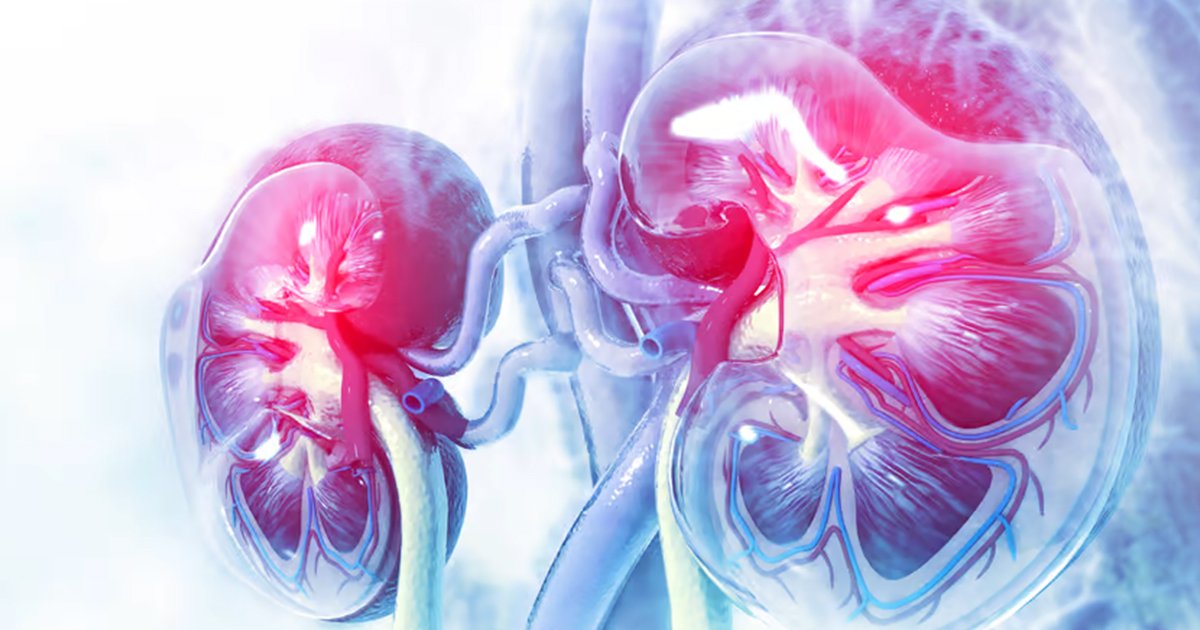
Do you frequently wake up with swollen or puffy eyes, even after a good night's sleep?
This could be a sign that your kidneys are leaking protein into your urine. Healthy kidneys normally keep protein in the bloodstream, but damaged kidney filters may allow it to escape. As protein levels drop, fluid can accumulate around the eyes, causing noticeable puffiness.
While allergies and lack of sleep can also cause swollen eyes, persistent puffiness deserves attention.
One of the most common signs of kidney dysfunction is fluid retention.
When the kidneys lose their ability to remove excess fluid and sodium efficiently, swelling may develop in the feet, ankles, legs, or even hands. Shoes may feel tighter than usual, and socks may leave deep marks on the skin.
Although swelling can also be linked to heart or liver conditions, it should never be ignored.
Your urine can reveal a great deal about your kidney health.
Warning signs include:
These changes may occur when the kidneys' filtering system becomes damaged and begins allowing substances such as protein or blood cells to pass into the urine.
Feeling exhausted despite getting enough sleep could indicate more than just a busy lifestyle.
Healthy kidneys help stimulate the production of red blood cells. When kidney function declines, anemia can develop, reducing oxygen delivery throughout the body. The result may be persistent fatigue, weakness, poor concentration, and reduced stamina.
Many people mistakenly attribute these symptoms to stress or aging.
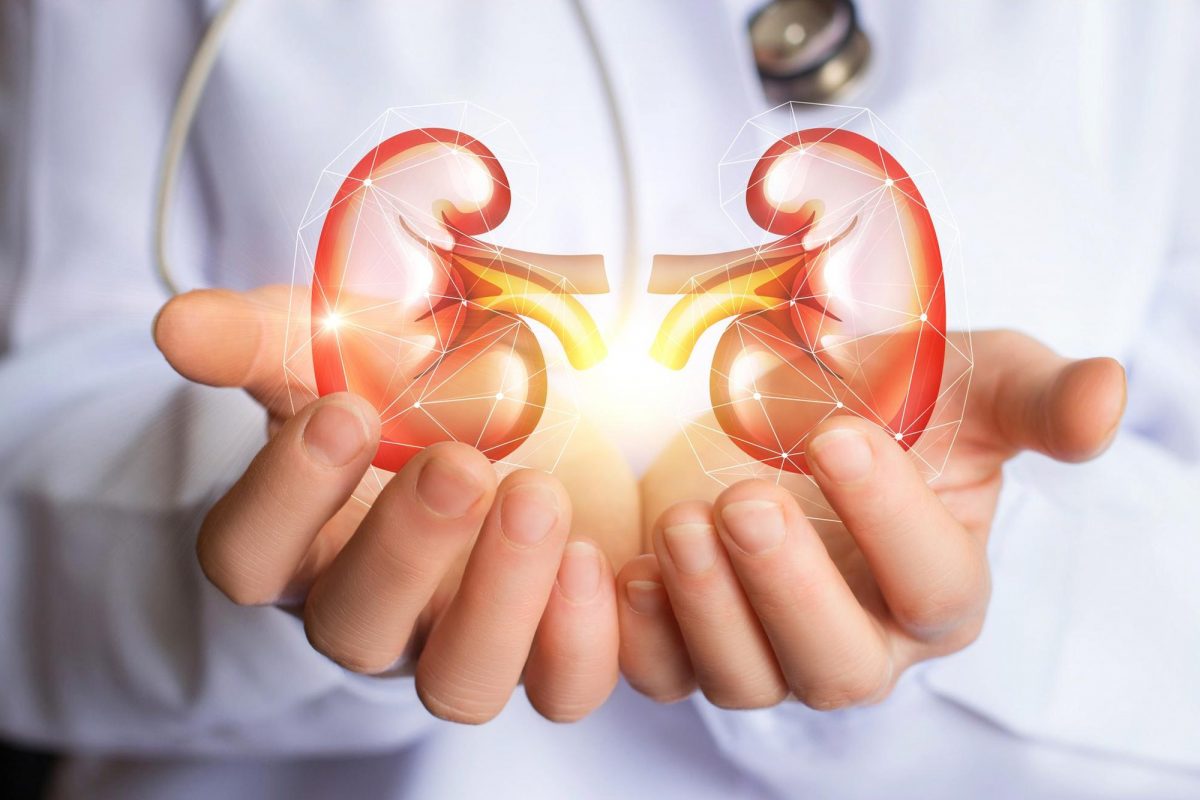
Your kidneys help maintain the proper balance of minerals and nutrients in your body.
When kidney function declines, waste products and mineral imbalances can develop, leading to dry, flaky, or intensely itchy skin. Some individuals experience itching that feels deep beneath the skin and does not improve with moisturizers.
Persistent itching may be an overlooked sign that your kidneys need attention.
Pain near the lower back or sides of the body can sometimes be associated with kidney problems.
Kidney-related pain is often felt below the rib cage and may affect one or both sides. Conditions such as kidney infections, kidney stones, or other kidney disorders can trigger discomfort in these areas.
If back pain occurs alongside fever, urinary changes, or nausea, medical evaluation is important.
As kidney function worsens, waste products can build up in the bloodstream.
This accumulation may lead to:
Many people report that foods no longer taste normal or that they feel full after only a few bites.
Frequent muscle cramps, especially in the legs, may be linked to electrolyte imbalances caused by impaired kidney function.
Healthy kidneys help regulate minerals such as calcium, phosphorus, and potassium. When these levels become abnormal, painful muscle cramps can occur during the day or at night.
Although cramps have many possible causes, recurring episodes should not be dismissed.
You should consider speaking with a healthcare professional if you experience:
Simple blood and urine tests can often identify kidney problems before they become severe. Early detection remains one of the best ways to slow or prevent kidney disease progression.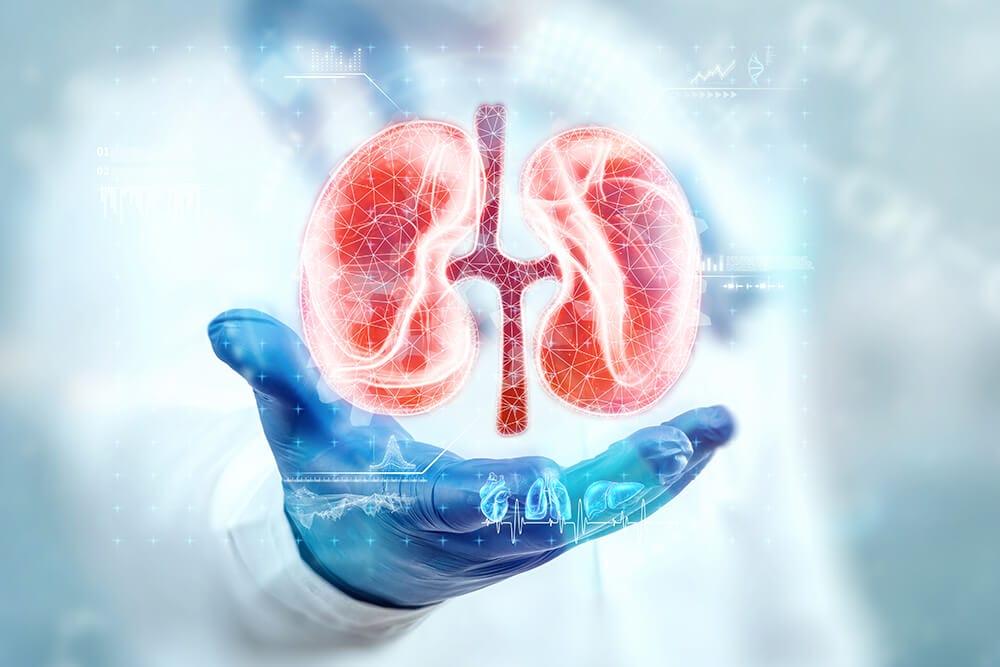
Your kidneys may be small, but they perform some of the most important jobs in your body. Unfortunately, kidney disease often develops quietly, with symptoms appearing only after substantial damage has occurred.
Paying attention to subtle changes—such as swelling, fatigue, urine abnormalities, or persistent itching—may help you catch potential problems early. If something doesn't feel right, don't ignore the signals your body is sending.
Listening to those warnings today could help protect your kidney health for years to come.
What Your Body May Be Telling You About Kidney Health: Early Symptoms to Watch For

Have White Spots Started Appearing on Your Arms or Legs?
Experiencing Hip Pain? It May Be Trying to Tell You Something Important

A Viral Mukbang Story Is Prompting New Health Discussions
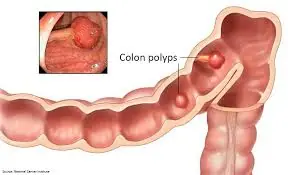
🩺 Doctor Recommended a Colonoscopy? Here's How to Prepare With Confidence

🚫 Before You Eat Cucumber, Make Sure You're Not Combining It With These Foods
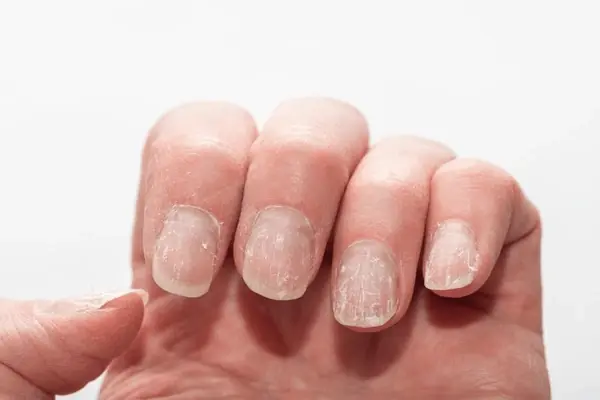
9 Surprising Nail Changes That May Indicate Hidden Health Conditions

The Six Foods He Credits for His Longevity

9 Nighttime Symptoms That Could Signal Diabetes
A Simple Two-Finger Test May Indicate Whether You Could Be at Risk

Pay Special Attention to Sign #1
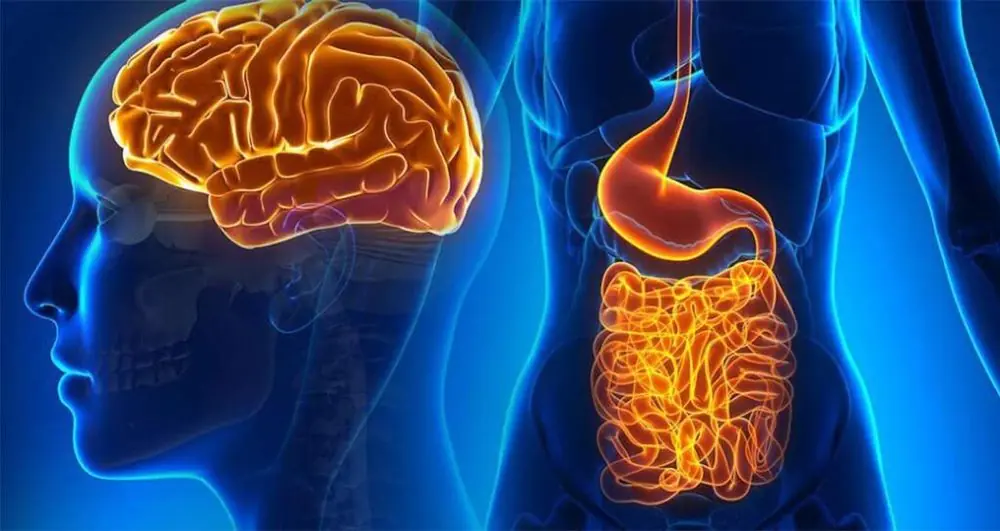
Why Is the Digestive System Called the “Second Brain”?

Choosing the wrong one could mean missing out on important nutritional benefits.
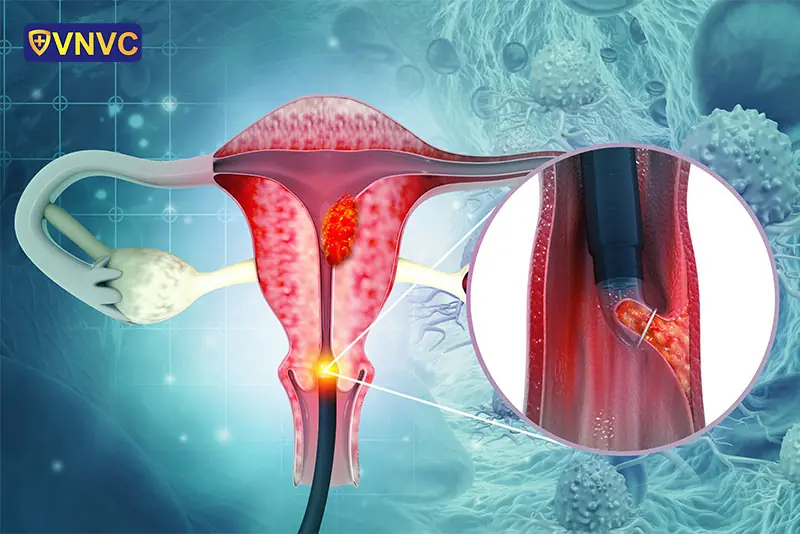
5 War.ning Signs

What This Young Man Ate Every Day Shocked Doctors

What Happens When You Drink Water Immediately After Waking Up?
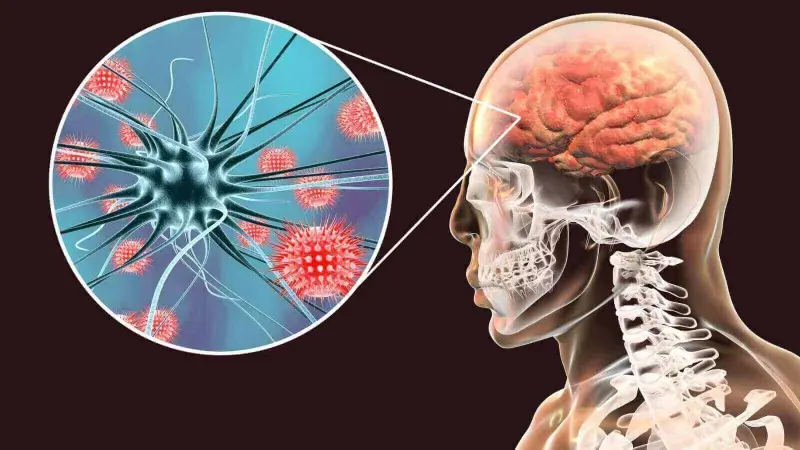
Could It Be Meningitis? Early Warning Signs Everyone Should Be Aware Of

Cheap Doesn't Mean Safe: 8 Fish You May Want to Leave at the Market
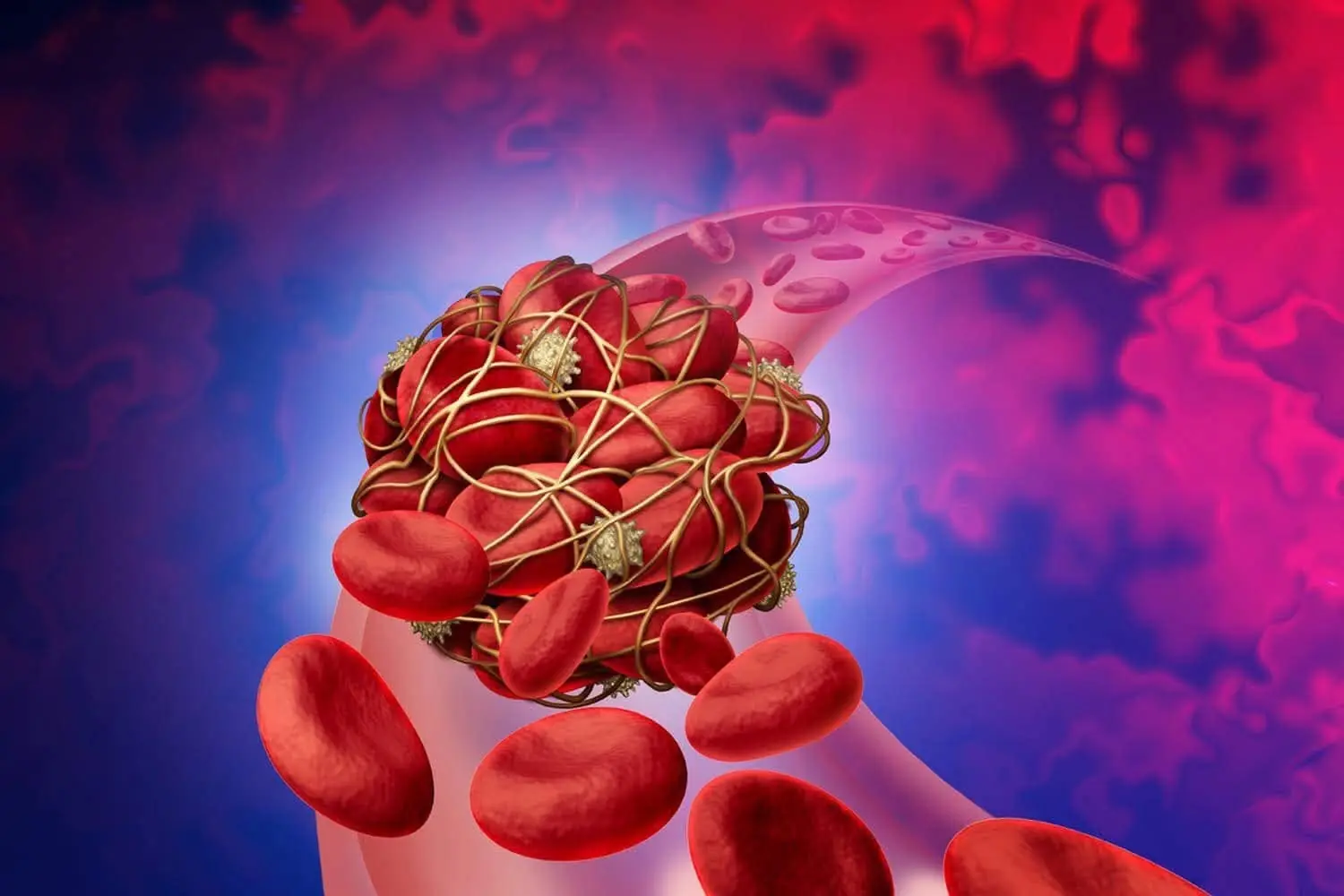
Eating It Regularly May Help Reduce the Risk of Stro.ke and He.art Att.ack
What Your Body May Be Telling You About Kidney Health: Early Symptoms to Watch For
Have White Spots Started Appearing on Your Arms or Legs?
Experiencing Hip Pain? It May Be Trying to Tell You Something Important
A Viral Mukbang Story Is Prompting New Health Discussions
🩺 Doctor Recommended a Colonoscopy? Here's How to Prepare With Confidence
🚫 Before You Eat Cucumber, Make Sure You're Not Combining It With These Foods
9 Surprising Nail Changes That May Indicate Hidden Health Conditions

The Egg Debate Continues—Doctors Reveal New Insights You Need to Know

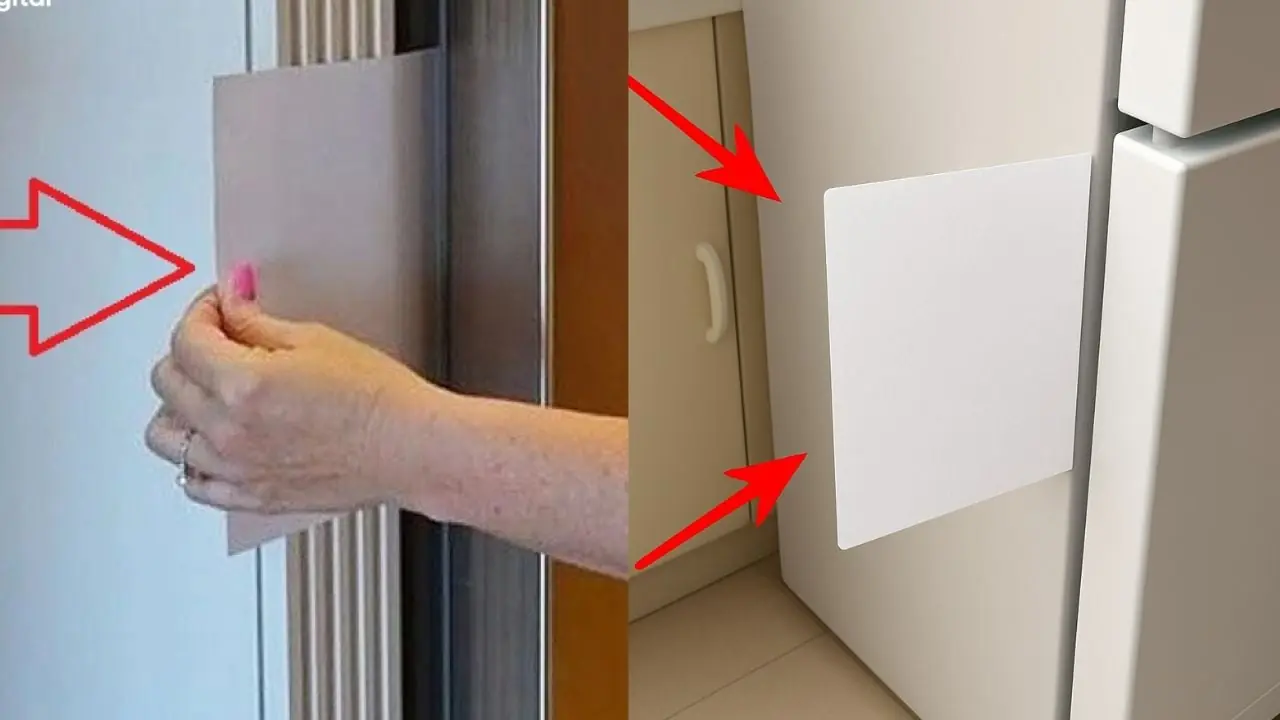
This simple household hack is easy to do and can benefit almost any home.
The Six Foods He Credits for His Longevity
9 Nighttime Symptoms That Could Signal Diabetes
A Simple Two-Finger Test May Indicate Whether You Could Be at Risk
Pay Special Attention to Sign #1
Why Is the Digestive System Called the “Second Brain”?
Choosing the wrong one could mean missing out on important nutritional benefits.
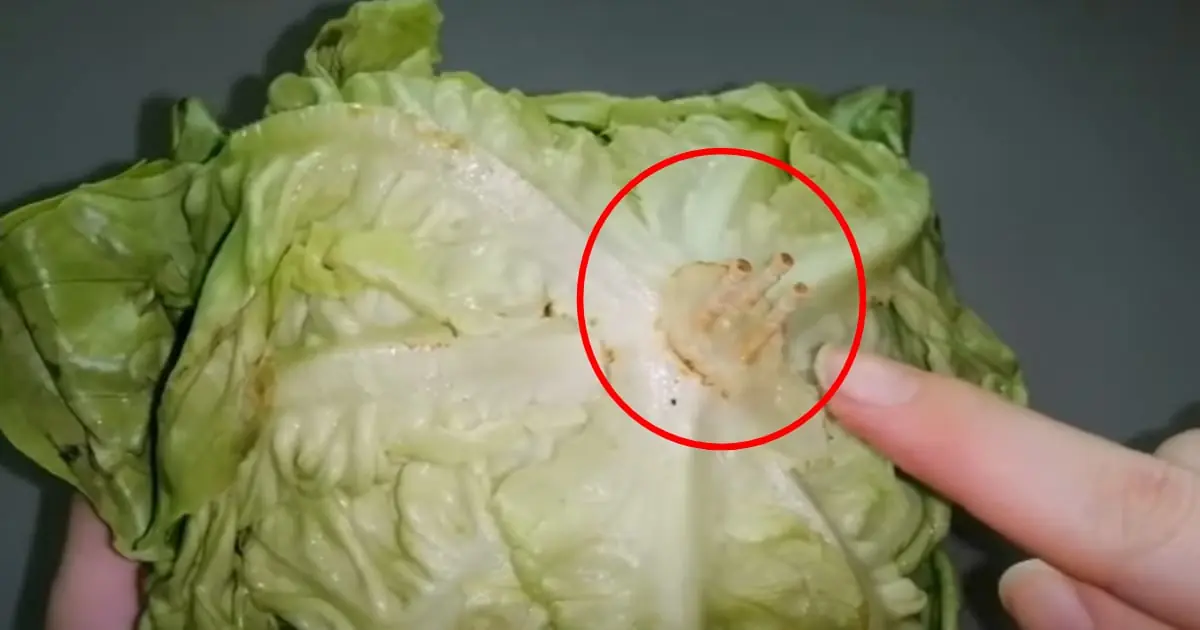
The toothpick trick may sound unusual, but it can help keep lettuce fresh much longer.
5 War.ning Signs

These are simple methods trusted by many home cooks.
The method is surprisingly simple.