What Your Nails Might Be Telling You About Your Health: 9 Important Signs 😲
Most people think of their nails as a cosmetic feature, but doctors say they can also offer important clues about your overall health. Changes in the color, shape, texture, or strength of your nails may sometimes reflect nutritional deficiencies, infections, or underlying medical conditions.
While nail abnormalities alone cannot diagnose a disease, they can serve as early warning signs that something in the body deserves attention. Here are nine nail changes that experts say you should never ignore.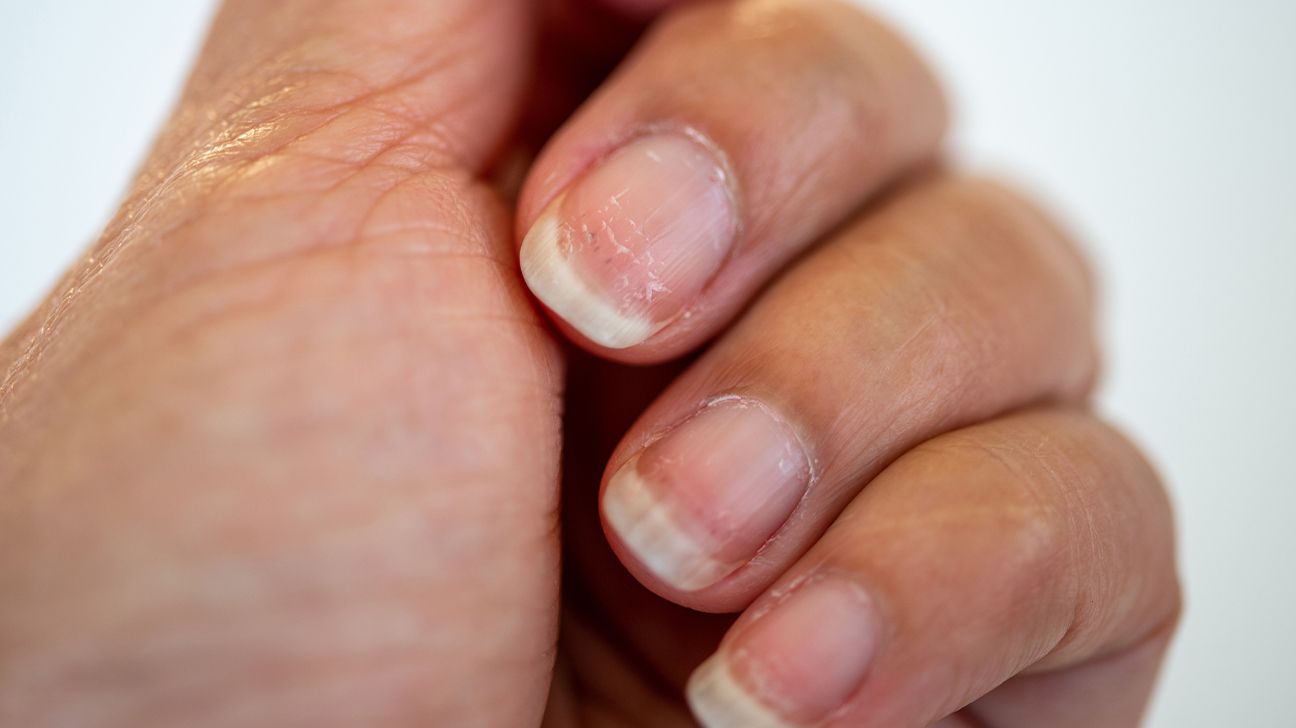
1. Pale or White Nails
Healthy nails typically have a pinkish hue. If your nails become unusually pale or white, it may be a sign of anemia, poor circulation, liver disease, or nutritional deficiencies.
In some cases, nails that appear mostly white with a darker band near the tip—known as Terry’s nails—have been associated with liver disease, diabetes, heart failure, and kidney disorders.
2. Yellow Nails
Yellow nails are commonly caused by fungal infections, especially when accompanied by thickening and brittleness. However, persistent yellow discoloration can sometimes be linked to more serious conditions such as diabetes, thyroid disorders, respiratory diseases, or a rare condition called Yellow Nail Syndrome.
If the yellowing does not improve over time or spreads to multiple nails, a medical evaluation may be warranted.
3. Bluish Nails
A bluish or purplish tint to the nails may indicate that the body is not receiving enough oxygen. This can occur in people with lung conditions, heart disease, or circulation problems.
Because oxygen levels are vital for normal body function, persistent blue nails should be evaluated promptly by a healthcare professional.
4. Spoon-Shaped Nails
Spoon nails, medically known as koilonychia, curve upward and may hold a drop of water. This unusual shape is often associated with iron-deficiency anemia.
In some cases, spoon nails may also be linked to thyroid disorders, heart disease, or other systemic conditions. If you notice this change, discussing it with your doctor is a good idea.
5. Clubbed Nails
Nail clubbing occurs when the fingertips enlarge and the nails curve downward around the fingers. This change typically develops gradually over time.
Clubbing has been associated with chronic lung diseases, heart conditions, liver disorders, and inflammatory bowel diseases. It often reflects long-term reductions in blood oxygen levels.
6. Deep Horizontal Grooves (Beau’s Lines)
Beau’s lines are deep horizontal indentations that run across the nail. They may appear after severe illness, high fever, significant stress, surgery, or malnutrition.
These grooves form when nail growth temporarily stops and later resumes. Their location on the nail can even help estimate when the triggering event occurred.
7. Dark Streaks or Black Lines
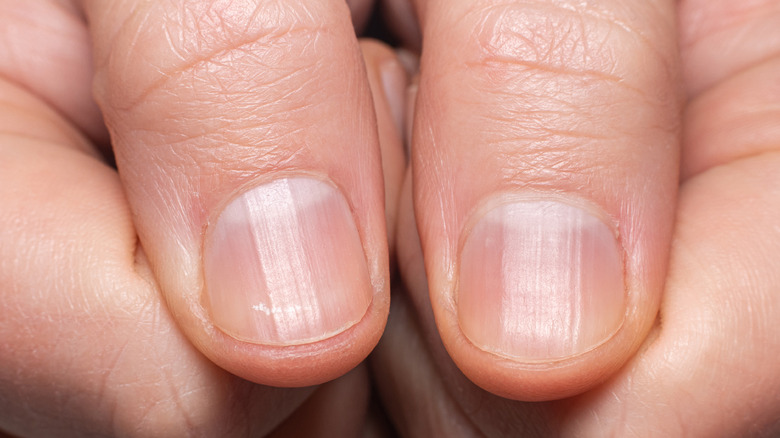
A dark vertical line beneath the nail may sometimes result from minor trauma. However, if the streak appears suddenly, widens, or affects only one nail, it should be evaluated by a dermatologist.
In rare cases, dark streaks can be a sign of melanoma, a serious form of skin cancer. Early diagnosis is crucial.
8. Brittle, Weak, or Splitting Nails
Brittle nails are common, especially with aging or frequent exposure to water and cleaning products. However, persistent brittleness may also indicate deficiencies in iron, zinc, biotin, or other nutrients.
Hormonal imbalances, thyroid disorders, and certain chronic illnesses can also contribute to weak nails.
9. Pitted or Dented Nails
Small dents or pits in the nail surface are often associated with psoriasis, an autoimmune skin condition. Nail pitting may also occur in people with eczema, alopecia areata, or inflammatory arthritis.
If pitting appears together with skin changes, joint pain, or other symptoms, medical evaluation is recommended.
When Should You See a Doctor?
Many nail changes are harmless and can result from aging, injury, or everyday wear and tear. However, you should consider seeking medical advice if you notice:
- Sudden or unexplained nail discoloration
- Persistent thickening or deformity
- Dark streaks that continue to grow
- Nail separation from the nail bed
- Pain, swelling, or signs of infection
- Changes affecting multiple nails simultaneously
The Bottom Line

Your nails may not reveal everything about your health, but they can provide valuable clues about what's happening inside your body. Paying attention to changes in nail color, shape, or texture can sometimes help identify underlying problems before more serious symptoms develop.
While these signs should never be used for self-diagnosis, they can serve as a useful reminder to listen to your body and seek professional medical advice when something doesn't seem right.
Remember: healthy nails are generally smooth, strong, and evenly colored. If your nails suddenly start looking different, it may be worth taking a closer look at your overall health.