
Buying Shrimp? Here Are the Signs That Tell You It's Truly Fresh
Want Better-Tasting Shrimp? Start by Learning How to Choose Fresh Ones
Tips 31/05/2026 23:56


 6
6
As temperatures rise during the summer months, many people find it difficult to fall asleep or stay asleep throughout the night. Turning the air conditioner on full blast may seem like the obvious solution, but sleep experts say that setting the temperature too low can actually interfere with sleep quality.
In Japan, where hot and humid summers are common, sleep specialists have developed several practical strategies to help people stay cool and sleep more comfortably.
Here are seven simple tips that may help you get a better night's rest during hot weather.
Many people believe colder is better when it comes to sleeping.
However, Japanese sleep experts often recommend setting the air conditioner between 26°C and 28°C. This range helps cool the body without making the room uncomfortably cold.
If the room is too cold, the body may struggle to maintain its ideal sleeping temperature, leading to restless sleep and frequent awakenings.
Rather than operating the air conditioner continuously at a very low temperature, many experts suggest using a timer.
A timer can help:
Some people find that setting the timer for the first few hours of sleep provides a comfortable balance.
Combining an air conditioner with a fan can help distribute cool air more evenly throughout the room.
Better airflow often allows people to set the temperature slightly higher while still feeling comfortable.
This can improve both comfort and energy efficiency.
Sleeping directly under a stream of cold air may cause discomfort, dry throat symptoms, or muscle stiffness.
Experts recommend adjusting the airflow direction so that cool air circulates around the room rather than blowing directly onto the bed.
Heavy blankets can trap heat and make sleeping uncomfortable.
During warmer months, consider:
These materials can help regulate body temperature more effectively throughout the night.
It may seem counterintuitive, but a warm shower before bedtime can actually help improve sleep.
The body's natural cooling process after a warm shower may encourage relaxation and signal that it's time to sleep.
Many Japanese sleep experts recommend showering approximately one hour before bedtime.
Hot weather increases the risk of dehydration, which can negatively affect sleep quality.
Drinking enough water throughout the day helps support the body's natural temperature regulation.
However, experts also recommend avoiding excessive fluid intake immediately before bedtime to reduce nighttime bathroom trips.
The body naturally lowers its core temperature as part of the sleep process.
A bedroom that is too hot can make it difficult to fall asleep, while a room that is too cold may cause discomfort and sleep interruptions.
Finding the right balance is often the key to deeper, more restorative sleep.
Getting quality sleep during hot summer nights doesn't always require turning the air conditioner to the coldest setting.
Japanese sleep experts recommend maintaining a room temperature between 26°C and 28°C, improving airflow, choosing breathable bedding, and adopting simple cooling habits before bed.
These small adjustments may help you sleep more comfortably, wake up feeling refreshed, and stay healthier throughout the summer.
Want Better-Tasting Shrimp? Start by Learning How to Choose Fresh Ones

Can You Tell Real Honey From Fake in Seconds?

When Staying at a Hotel or Motel, If You Notice These 3 Things, Ask for a Different Room Immediately.

The Best Ways to Store Rice and Reduce the Risk of Mold and Insect Infestations

After Using the Bathroom, Is It Better to Leave the Door Open or Closed?
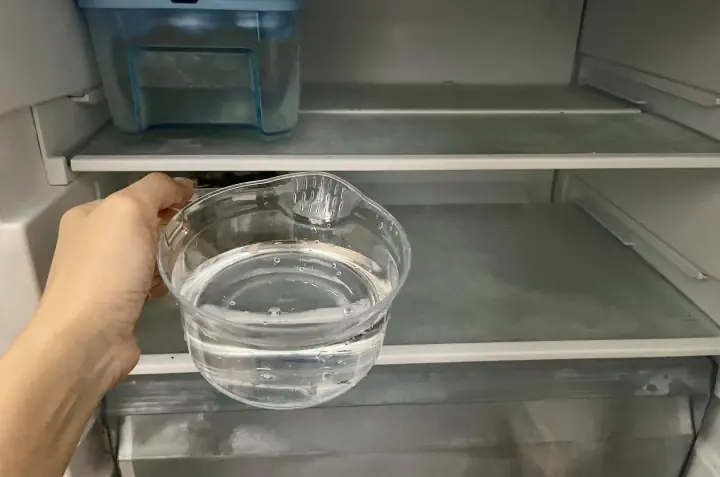
The Refrigerator Energy-Saving Trick That Starts With a Bowl of Water

What your dog sees in people that humans often miss

Struggling With Bed Bugs? Here's Why Some Homeowners Turn to This Simple Ingredient
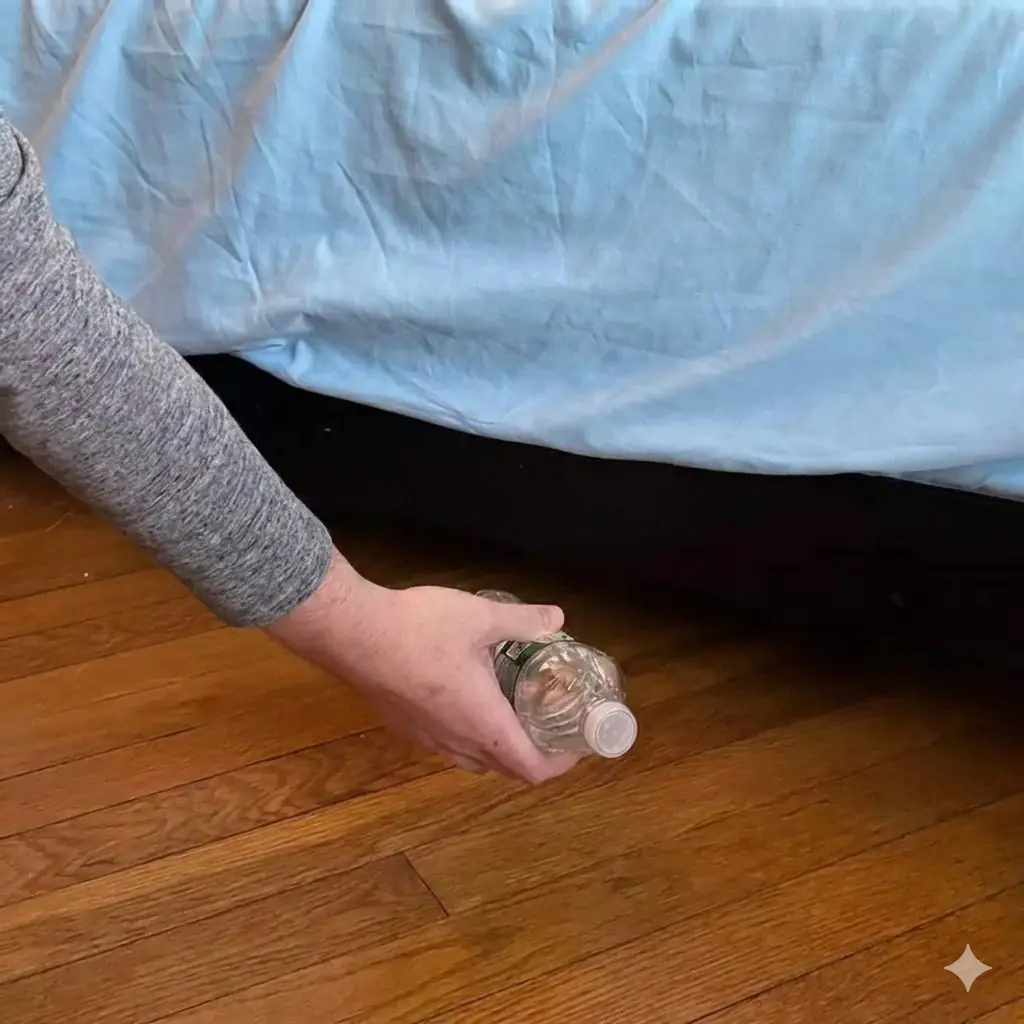
You might be surprised by the reason!

This Homemade Grout-Cleaning Trick May Help Lift Mold Without Heavy Scrubbing

7 Common Scents That May Help Keep Snakes Away From Your Home and Garden
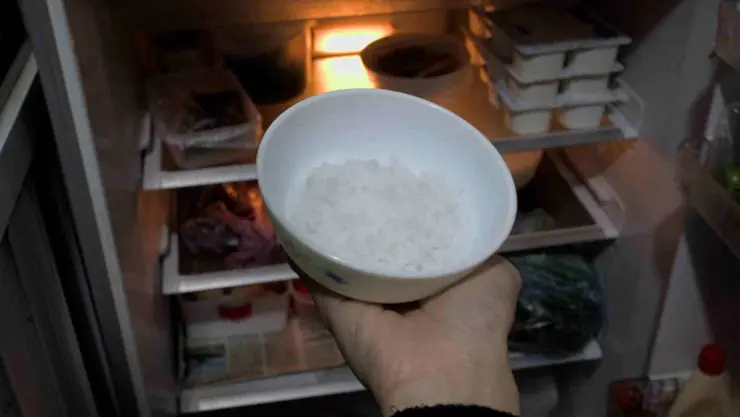
A Handful of Salt in the Fridge Could Help Solve Several Common Household Problems

Many People Boil Eggshells Instead of Discarding Them - Here's Why
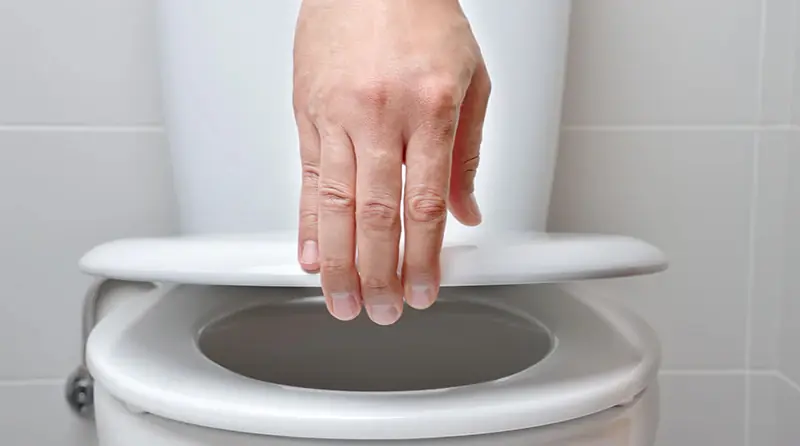
The toilet lid — should it be closed or left open?

I took deli ham out of the fridge and noticed an iridescent, rainbow-like sheen on the slices. Is that normal?

The Unexpected Reason Many People Put Cloves Into an Onion

👗 The dress you choose first may reveal something unexpected about your personality…

These Simple Methods May Help Remove Stubborn Garlic Smell From Your Hands


What This Young Man Ate Every Day Shocked Doctors
What Happens When You Drink Water Immediately After Waking Up?

Could It Be Meningitis? Early Warning Signs Everyone Should Be Aware Of

Cheap Doesn't Mean Safe: 8 Fish You May Want to Leave at the Market

Eating It Regularly May Help Reduce the Risk of Stro.ke and He.art Att.ack
Want Better-Tasting Shrimp? Start by Learning How to Choose Fresh Ones

Love a Midday Nap? Here's What New Findings Suggest

Many people are unaware

Food safety experts warn improper egg handling may harm children.

Early Warning Signs Matter: 3 Morning Symptoms That May Warrant Medical Attention

10 Ways Regular Turmeric Consumption May Support Overall Health and Wellness
Can You Tell Real Honey From Fake in Seconds?

Too dangerous, itching in many places on the body means your liver is war:ning

If you enjoy doing these things before bed, you should read this article now!

Don't Ignore a Lump in Your Neck—It Could Be a Warning Sign

Give them a try!

Excessive lemon juice may cause unexpected health problems over time.
When Staying at a Hotel or Motel, If You Notice These 3 Things, Ask for a Different Room Immediately.
Nighttime itching in children may signal a common parasitic infection.