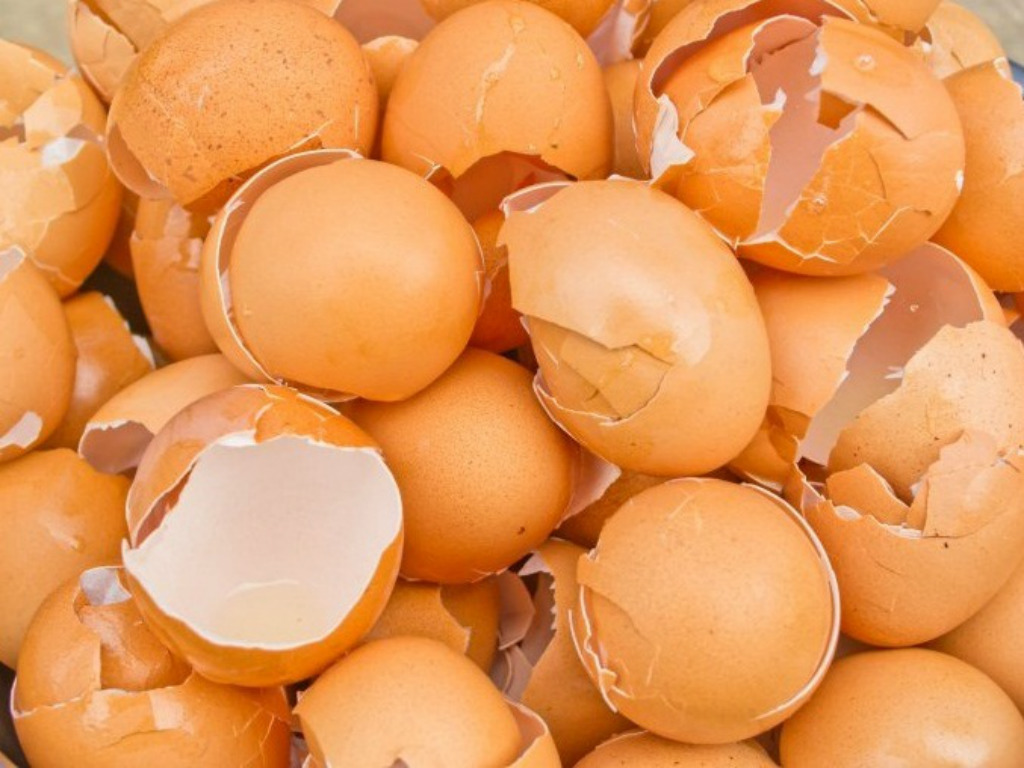
Most people crack an egg, use the contents, and immediately throw the shell into the trash. However, eggshells are far more than kitchen waste. These thin, fragile shells are primarily made of calcium carbonate and contain trace amounts of other minerals that can be useful around the home and garden.
In recent years, many people have begun looking for creative ways to reduce food waste and make better use of everyday items. Eggshells have become a popular example because they can be repurposed in several practical ways rather than simply discarded.
One common method involves boiling eggshells before reusing them. Boiling helps clean the shells, remove residue, and reduce the risk of bacterial contamination, making them easier and safer to use for various household applications.
Let's explore some of the most surprising ways boiled eggshells can be reused.
Why Boil Eggshells First?
Before reusing eggshells, many experts recommend cleaning them thoroughly.
Boiling may help:
- Remove remaining egg residue
- Reduce unpleasant odors
- Lower bacterial contamination
- Prepare shells for storage or grinding
After boiling, the shells can be:
- Air-dried
- Oven-dried
- Crushed into smaller pieces
- Ground into powder
This simple preparation step makes eggshells more versatile.

1. A Natural Addition to Compost
One of the most common uses for eggshells is composting.
Because eggshells contain calcium, they may contribute minerals to compost piles over time.
Crushed shells break down more quickly than whole shells.
Many gardeners add eggshells to compost alongside:
- Fruit scraps
- Vegetable peels
- Coffee grounds
- Yard waste
The result is nutrient-rich compost that may help support healthy soil.
2. Supporting Garden Soil
Gardeners often crush eggshells and mix them directly into soil.
Eggshells contain calcium, which plants need for healthy growth.
While eggshells break down slowly, they may gradually contribute calcium to garden beds.
Common plants that require calcium include:
- Tomatoes
- Peppers
- Eggplants
- Squash
However, eggshells should not be considered a quick fertilizer because mineral release occurs slowly.
3. Seed Starters for Gardening
Some gardeners use half eggshells as miniature seed-starting containers.
The shells can be filled with:
- Potting soil
- Seeds
- Small seedlings
Once the plant grows, the shell and seedling may be transplanted directly into the garden.
This approach is:
- Inexpensive
- Biodegradable
- Environmentally friendly
4. A Mild Abrasive Cleaner
Crushed eggshells may be used as a gentle scrubbing material.
When mixed with a little water, they can help clean:
- Pots
- Pans
- Containers
The fine particles may assist in removing stubborn residue without the harshness of some commercial abrasives.
Care should still be taken with delicate surfaces.
5. Bird Feeding Supplements
Some bird owners prepare eggshells as a calcium source.
The shells must be:
- Thoroughly cleaned
- Properly dried
- Finely crushed
Calcium is important for many bird species, particularly during nesting and egg-laying seasons.
However, wildlife experts recommend researching appropriate feeding practices before offering eggshells to birds.
6. Reducing Food Waste
One of the simplest benefits of reusing eggshells is reducing waste.
Every year, millions of eggshells end up in landfills despite having potential secondary uses.
Repurposing household scraps:
- Reduces waste
- Encourages sustainability
- Supports environmentally conscious habits
7. Decorative and Craft Projects
Eggshells are surprisingly popular in arts and crafts.
Creative projects may include:
- Mosaic art
- Decorative ornaments
- School projects
- Handmade gifts
After cleaning and drying, shells can be painted and used in various decorative applications.
8. Natural Mulch for Some Gardens
Crushed eggshells may also be scattered around certain plants.
Some gardeners use them as part of:
- Mulching systems
- Soil coverings
- Decorative garden borders
The shells gradually break down while contributing texture to the soil surface.
9. Educational Science Projects
Eggshells are often used in science experiments because of their calcium carbonate content.
Students commonly use eggshells to learn about:
- Acids and bases
- Chemical reactions
- Mineral composition
Simple household experiments may demonstrate how vinegar reacts with calcium carbonate.
Common Myths About Eggshells
The internet contains many exaggerated claims about eggshells.
Some claims suggest eggshells can:
- Cure diseases
- Replace medications
- Instantly transform garden soil
These statements are not supported by scientific evidence.
Eggshells may provide practical benefits, but they are not miracle solutions.
Are Eggshells Safe to Use?
Generally, cleaned and properly prepared eggshells can be reused safely for many household purposes.
However:
- Raw shells may contain bacteria
- Proper cleaning is important
- Food-related uses require extra caution
Boiling is often recommended as a simple preparation step.
Environmental Benefits of Reusing Eggshells
Small sustainable habits can add up over time.
Reusing eggshells may help:
- Reduce landfill waste
- Encourage composting
- Promote home gardening
- Support resource conservation
While one eggshell may seem insignificant, millions of households making small changes can have a meaningful impact.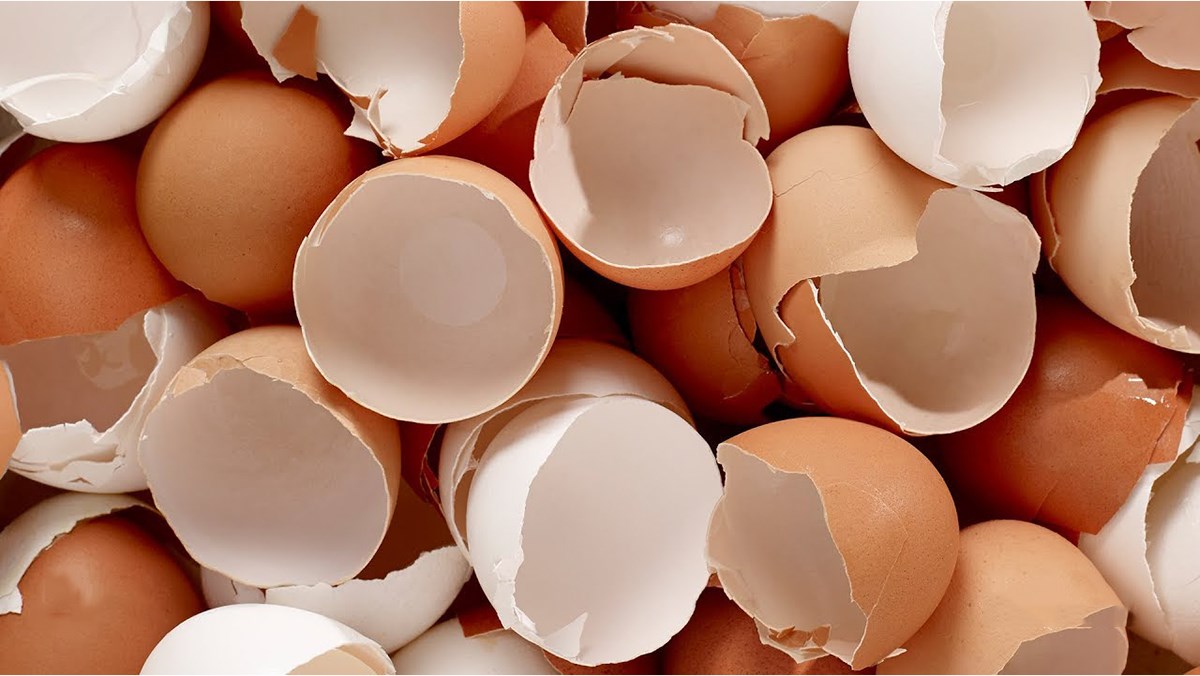
Final Thoughts
Boiled eggshells are far more useful than many people realize. From composting and gardening to cleaning, crafting, and educational projects, these common kitchen scraps can often be given a second life instead of being thrown away.
Although eggshells are not a miracle solution for every household challenge, they represent a simple and practical way to reduce waste, support sustainability, and make better use of everyday resources. The next time eggs are on the menu, those shells may be worth saving rather than sending straight to the trash.