Turmeric has been used for thousands of years in traditional cooking and herbal practices, particularly throughout Asia. Known for its bright golden-yellow color and distinctive earthy flavor, turmeric has gained worldwide attention for its potential health benefits.
Much of the interest surrounding turmeric comes from a natural compound called curcumin, which has been extensively studied for its antioxidant and anti-inflammatory properties. While turmeric is not a miracle cure and should not replace medical treatment, research suggests that regular consumption may support various aspects of health when combined with a balanced lifestyle.
If turmeric becomes a consistent part of your diet, here are ten changes that some people may notice over time.
What Makes Turmeric Special?
Turmeric comes from the root of the plant Curcuma longa, a relative of ginger.
It contains several plant compounds, including:
- Curcumin
- Turmerones
- Essential oils
- Antioxidants
Curcumin is believed to be responsible for many of turmeric's potential health-supporting effects.
Because curcumin is not easily absorbed by the body, turmeric is often consumed with black pepper, which contains piperine, a compound that may improve absorption.
1. Improved Support for Healthy Inflammation Levels
Inflammation is a normal part of the body's defense system.
However, long-term inflammation has been linked to various chronic health conditions.
Curcumin has been studied for its ability to support the body's natural inflammatory response.
Some individuals who regularly consume turmeric report improvements in general comfort and mobility.
Researchers continue to investigate the role curcumin may play in supporting inflammatory balance.

2. Increased Antioxidant Support
The body constantly faces exposure to unstable molecules known as free radicals.
These molecules can contribute to oxidative stress.
Turmeric contains antioxidants that may help support the body's natural defense systems.
Antioxidants play important roles in:
- Cellular protection
- Healthy aging
- Overall wellness
A diet rich in antioxidant-containing foods is often associated with better long-term health.
3. Better Digestive Comfort
Turmeric has traditionally been used to support digestion.
Some people report improvements in:
- Occasional bloating
- Digestive comfort
- General stomach well-being
Although responses vary between individuals, turmeric remains a popular ingredient in digestive wellness practices worldwide.
4. Potential Support for Joint Health
Joint discomfort becomes increasingly common with age.
Because curcumin has been studied for its anti-inflammatory properties, researchers have explored its potential role in supporting joint comfort and mobility.
Many people choose turmeric supplements or turmeric-rich foods as part of broader wellness routines aimed at maintaining active lifestyles.
5. Support for Heart Health
Heart health depends on many factors, including:
- Blood pressure
- Cholesterol levels
- Physical activity
- Diet
Researchers continue studying how turmeric may contribute to cardiovascular wellness.
Some evidence suggests curcumin may help support healthy blood vessel function as part of an overall healthy lifestyle.
However, turmeric should not be viewed as a substitute for medical care or heart-healthy habits.
6. Enhanced Brain Health Support
The brain undergoes constant changes throughout life.
Scientists are investigating whether curcumin may influence certain pathways involved in brain function.
Early research has explored potential connections between curcumin and:
- Memory
- Learning
- Cognitive health
While more studies are needed, this area continues to generate significant scientific interest.
7. Healthier-Looking Skin
Some people notice improvements in skin appearance when consuming a nutrient-rich diet that includes turmeric.
Potential reasons include:
- Antioxidant support
- Reduced oxidative stress
- Support for overall wellness
Healthy skin is influenced by many factors, including:
- Hydration
- Nutrition
- Sleep
- Sun protection
Turmeric alone is unlikely to transform skin health, but it may contribute to broader wellness goals.

8. Better Recovery After Physical Activity
Exercise places temporary stress on muscles and tissues.
Some athletes and active individuals include turmeric in their diets because of its potential role in supporting post-exercise recovery.
Researchers continue to explore how curcumin may influence recovery processes following physical activity.
9. Support for Immune Function
A healthy immune system relies on numerous lifestyle factors.
These include:
- Adequate sleep
- Balanced nutrition
- Physical activity
- Stress management
Turmeric contains plant compounds that have attracted interest for their potential interactions with immune-related pathways.
While turmeric cannot prevent illness, it may be a valuable part of a nutritious diet.
10. Encouragement Toward Healthier Eating Habits
One of the most overlooked benefits of turmeric may be indirect.
People who intentionally add turmeric to meals often become more interested in:
- Cooking at home
- Eating vegetables
- Exploring whole foods
- Reducing processed foods
These broader dietary improvements may contribute significantly to overall health.
Easy Ways to Add Turmeric to Your Diet
Turmeric can be incorporated into meals in many ways.
Popular options include:
Golden Milk
A warm beverage traditionally made with milk and spices.
Soups and Stews
Adds color and flavor.
Rice Dishes
Common in many cuisines.
Smoothies
Small amounts can be blended into fruit and vegetable drinks.
Roasted Vegetables
Turmeric pairs well with many vegetables.
Combining turmeric with black pepper may help improve curcumin absorption.
Are There Any Side Effects?
For most people, turmeric used in cooking is considered safe.
However, large amounts may occasionally cause:
- Stomach upset
- Nausea
- Digestive discomfort
Turmeric supplements may interact with certain medications.
Individuals taking medications or managing health conditions should consult a healthcare professional before starting high-dose supplements.
Common Myths About Turmeric
Myth: Turmeric Cures Every Disease
False.
Turmeric is not a cure-all.
Myth: More Is Always Better
False.
Excessive intake may cause unwanted side effects.
Myth: Turmeric Works Instantly
False.
Any potential benefits generally develop gradually as part of long-term lifestyle habits.
Myth: Turmeric Can Replace Medical Treatment
False.
It should complement, not replace, professional medical care.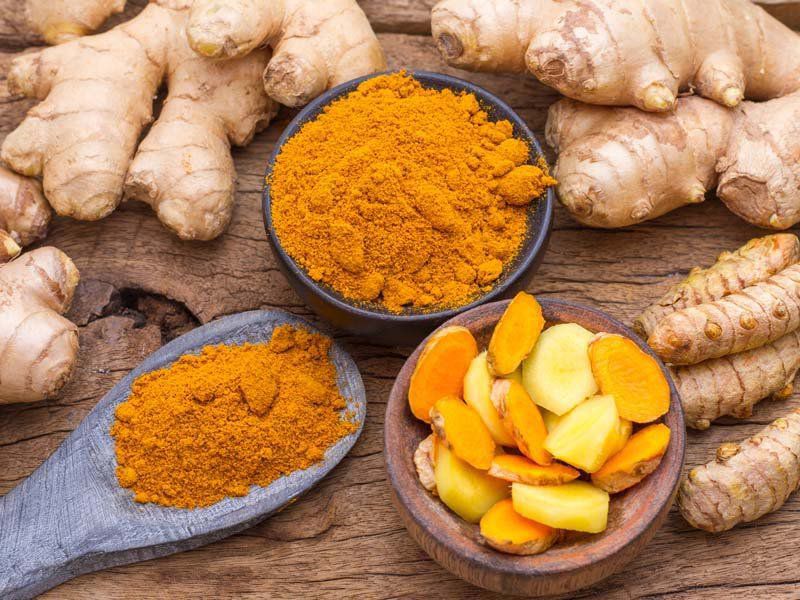
Final Thoughts
Turmeric has earned its reputation as one of the world's most widely studied and traditionally respected spices. Thanks largely to its curcumin content, regular consumption may offer support for healthy inflammation levels, antioxidant protection, digestive comfort, joint health, cardiovascular wellness, brain function, skin health, exercise recovery, and immune support.
While turmeric is not a miracle remedy, incorporating it into a balanced diet can be a simple and flavorful way to support overall well-being. As with any health-related habit, the greatest benefits are likely to come when turmeric is combined with healthy eating, regular physical activity, adequate sleep, and routine medical care.