Rice is one of the most widely consumed staple foods in the world. Whether you buy it in small bags or stock up in bulk, proper storage is essential for keeping rice fresh, flavorful, and safe to eat. Unfortunately, many households discover too late that their rice has become infested with weevils, developed mold, or spoiled due to improper storage conditions.
The good news is that preventing these problems is often easier than people think. By understanding what causes rice to deteriorate and following a few simple storage practices, you can keep rice in excellent condition for months or even years.:quality(75)/2023_10_23_638336767522362494_mot-gao-1.jpg)
Why Rice Storage Matters
Although rice appears dry and durable, it is still vulnerable to several common threats.
These include:
- Moisture
- Insects
- Heat
- Humidity
- Air exposure
- Contamination
When rice is stored improperly, its quality can decline rapidly.
Problems may include:
- Weevil infestations
- Mold growth
- Off odors
- Loss of flavor
- Reduced shelf life
Proper storage protects both the quality and safety of your food supply.
Understanding Rice Weevils
Rice weevils are among the most common pests found in stored grains.
These tiny insects can:
- Infest rice
- Lay eggs inside kernels
- Multiply quickly
- Spread to other dry foods
Many people assume insects enter rice after purchase.
However, eggs are sometimes already present in packaged rice and may hatch later under favorable conditions.
Signs of a Rice Weevil Infestation
Common indicators include:
- Small dark insects in rice
- Tiny holes in rice grains
- Powdery residue
- Crawling bugs inside containers
The earlier an infestation is detected, the easier it is to manage.
Why Mold Develops in Rice
Mold requires moisture to grow.
Although dry rice naturally contains very little water, exposure to humid conditions can increase moisture levels.
Potential causes include:
- Humid environments
- Poorly sealed containers
- Water leaks
- Condensation
- Storing rice near heat sources
Mold contamination can affect both the quality and safety of rice.
Warning Signs of Mold
Watch for:
- Musty odors
- Clumped grains
- Visible discoloration
- Damp texture
Rice showing signs of mold should generally be discarded.
Choose the Right Storage Container
One of the simplest ways to protect rice is by using an appropriate container.
Good options include:
Food-Grade Plastic Containers
Durable and lightweight.
Glass Containers
Easy to clean and resistant to odors.
Metal Storage Bins
Often used for larger quantities.
The most important feature is an airtight seal.
Airtight containers help reduce exposure to:
- Moisture
- Insects
- Air
Avoid Thin Plastic Bags
Original packaging is often adequate for short-term storage but may not provide the best long-term protection.
Thin bags can be:
- Punctured easily
- Vulnerable to pests
- Less effective against humidity
Transferring rice to sealed containers may improve storage conditions.
The Freezer Trick for Preventing Weevils
One popular method involves freezing newly purchased rice.
Many households place rice in the freezer for several days before long-term storage.
The purpose is to help eliminate:
- Potential insect eggs
- Larvae
- Hidden pests
A common approach is:
- Place rice in a freezer-safe bag.
- Freeze for 3–7 days.
- Allow the rice to return to room temperature.
- Transfer it to an airtight container.
This simple step may reduce the likelihood of future infestations.
Store Rice in a Cool, Dry Place
Temperature and humidity play major roles in food preservation.
Ideal storage conditions include:
- Cool temperatures
- Low humidity
- Limited sunlight exposure
Good locations may include:
- Pantry shelves
- Storage cabinets
- Dedicated food storage areas
Avoid storing rice near:
- Ovens
- Dishwashers
- Water heaters
- Direct sunlight
Heat and moisture accelerate deterioration.
Keep Containers Elevated
If possible, avoid storing rice directly on the floor.
Elevated storage may help protect against:
- Moisture
- Flooding
- Pest access
Simple shelving can make a significant difference.
Natural Methods People Use to Discourage Insects
Many households use traditional methods to help discourage pests.
Popular examples include:
Bay Leaves
Placed inside storage containers.
Garlic
Sometimes stored nearby because of its strong aroma.
Dried Chili Peppers
Commonly used in traditional food storage practices.
Cloves
Often added for their aromatic properties.
Scientific evidence regarding effectiveness varies, but these methods remain popular in many regions.
Avoid Mixing Old and New Rice
A common storage mistake is continuously adding fresh rice to existing supplies.
This practice may:
- Spread contamination
- Hide infestations
- Reduce freshness
Instead:
- Use older rice first.
- Clean the container.
- Refill with fresh rice.
This "first in, first out" approach supports better inventory management.
Label Your Containers
Consider recording:
- Purchase date
- Storage date
- Rice variety
Labeling helps ensure rice is used while still at peak quality.
How Long Can Rice Last?
Shelf life varies depending on the type of rice.
White Rice
When stored properly:
- Often remains usable for years
Brown Rice
Contains more natural oils.
Typically has a shorter shelf life than white rice.
Specialty Rice Varieties
Storage duration may vary depending on processing and moisture content.
Always inspect rice before use if it has been stored for extended periods.
Common Rice Storage Mistakes
Leaving Rice Unsealed
Allows moisture and pests to enter.
Storing Near Heat Sources
Can shorten shelf life.
Ignoring Humidity
High humidity encourages mold growth.
Using Dirty Containers
Residue may attract pests.
Buying More Than You Can Store Properly
Large quantities require appropriate storage conditions.
Additional Tips for Long-Term Storage
For households storing large amounts of rice:
- Rotate inventory regularly
- Inspect containers periodically
- Maintain a clean pantry
- Monitor for insects
- Check for signs of moisture
Regular inspections can help identify problems before they become serious.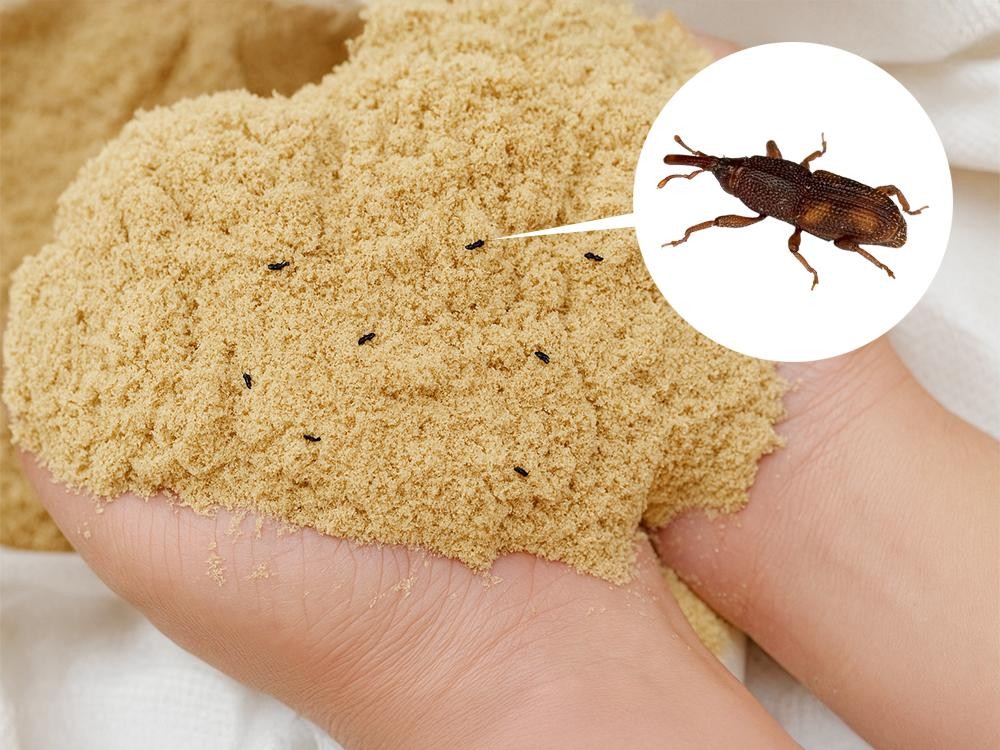
Final Thoughts
Rice is a remarkably durable food, but proper storage is essential for preventing weevils, mold, and spoilage. By using airtight containers, controlling moisture, maintaining cool storage conditions, and inspecting supplies regularly, households can significantly extend the shelf life of their rice.
Simple habits such as freezing newly purchased rice, rotating stock, and keeping storage areas clean can make a major difference. With the right approach, you can keep rice fresh, safe, and ready to use whenever you need it—while avoiding the frustration of discovering pests or spoilage in your pantry.