Early Detection of Pancreatic Cancer Is Crucial: Warning Signs You Should Never Ignore
Pancreatic cancer is often called a “silent” disease because it can develop for a long time without causing obvious symptoms. By the time warning signs appear, the cancer may already be advanced, making treatment more challenging.
Because of this, recognizing potential symptoms early is extremely important. While these signs do not automatically mean someone has pancreatic cancer, paying attention to unusual changes in your body may help lead to earlier medical evaluation and diagnosis.
Here are some warning signs doctors say should never be ignored.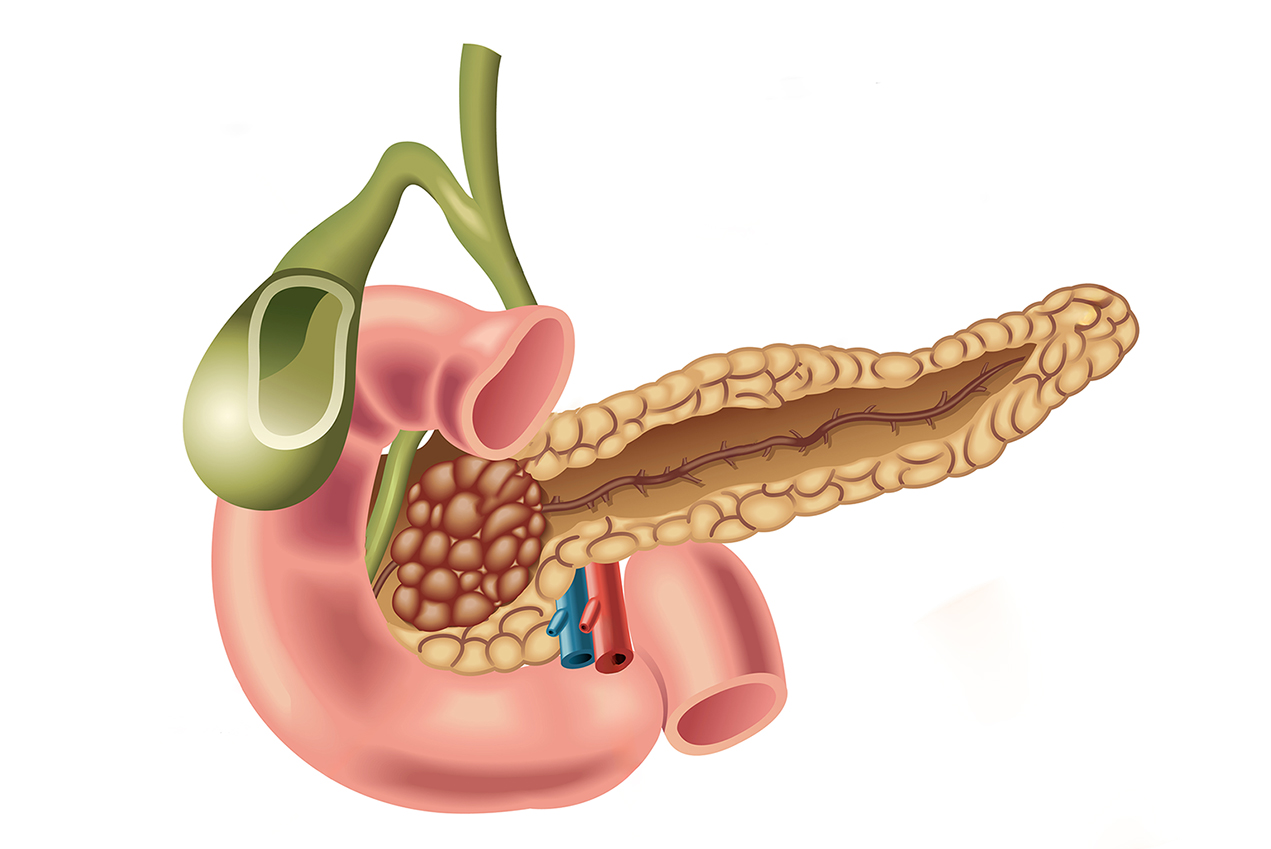
1. Yellowing of the Skin or Eyes (Jaundice)
One of the most common early signs of pancreatic cancer is jaundice, a condition that causes the skin and the whites of the eyes to appear yellow.
This can happen when a tumor blocks the bile duct, causing bilirubin to build up in the body. Jaundice may also be accompanied by dark urine, pale stools, and itchy skin.
In some cases, jaundice is one of the first noticeable clues that something is wrong.
2. Unexplained Weight Loss
Losing weight without changing your diet or exercise routine should never be ignored.
Many people with pancreatic cancer experience sudden, unintentional weight loss. This may happen because the cancer affects digestion, reduces appetite, or changes the way the body processes nutrients.
Unexpected weight loss can be linked to many medical conditions, but it always deserves attention.
3. Persistent Abdominal or Back Pain
Pain in the upper abdomen that spreads to the back is another symptom commonly associated with pancreatic cancer.
As a tumor grows, it may press against nearby organs or nerves, leading to discomfort that can become persistent over time. Some people describe the pain as dull and aching, while others experience sharper sensations.
Although back pain is common and often caused by less serious issues, ongoing pain that does not improve should be evaluated by a healthcare professional.
4. Loss of Appetite
A noticeable decrease in appetite can sometimes be an early warning sign.
Many people with pancreatic cancer report feeling full quickly, losing interest in food, or experiencing digestive discomfort after meals. Over time, this may contribute to significant weight loss and nutritional deficiencies.
5. Digestive Problems
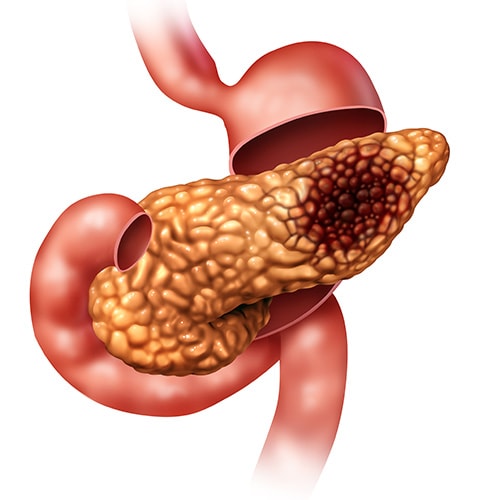
The pancreas plays an important role in digestion, producing enzymes that help break down food.
When pancreatic function becomes impaired, people may experience symptoms such as:
- Indigestion
- Nausea
- Vomiting
- Bloating
- Difficulty digesting fatty foods
- Pale, greasy, or floating stools
These digestive changes may occur because the body is no longer producing enough digestive enzymes.
6. New-Onset Diabetes or Worsening Blood Sugar Control
Researchers have found an important link between pancreatic cancer and diabetes.
In some cases, pancreatic cancer can interfere with insulin production, leading to a new diagnosis of diabetes or causing existing diabetes to become harder to manage.
Doctors sometimes pay particular attention when diabetes develops suddenly in older adults without an obvious explanation.
7. Extreme Fatigue
Persistent exhaustion that doesn't improve with rest may also be a warning sign.
Many people with pancreatic cancer report feeling unusually weak, tired, or lacking energy for weeks or months before diagnosis. While fatigue has many possible causes, unexplained exhaustion should not be dismissed.
8. Dark Urine and Pale Stools
Changes in urine and stool color can sometimes appear before jaundice becomes obvious.
When bile flow becomes blocked, urine may become darker than usual while stools may appear unusually light-colored, gray, or clay-colored.
These symptoms may signal a problem involving the liver, bile ducts, or pancreas.
9. Blood Clots
Some people develop unexplained blood clots before pancreatic cancer is discovered.
A clot may cause swelling, redness, pain, or warmth in an arm or leg. In certain cases, a blood clot may be one of the earliest signs that leads doctors to investigate an underlying condition.
Why Early Detection Matters
Pancreatic cancer remains one of the most difficult cancers to diagnose early because symptoms are often vague and easy to mistake for other conditions. Experts emphasize that paying attention to persistent or unusual symptoms can make a significant difference.
While most people who experience these symptoms will not have pancreatic cancer, seeking medical advice when symptoms persist may help identify serious health issues sooner.
When Should You See a Doctor?
Consider speaking with a healthcare professional if you experience:
- Persistent abdominal or back pain
- Unexplained weight loss
- Yellowing of the skin or eyes
- Ongoing digestive problems
- Sudden changes in blood sugar levels
- Unusual fatigue that does not improve
Prompt medical evaluation can help determine the cause and guide appropriate treatment.
Final Thoughts
Pancreatic cancer often develops quietly, which is why awareness of potential warning signs is so important. Symptoms such as jaundice, unexplained weight loss, digestive problems, abdominal pain, fatigue, and new-onset diabetes may all be clues that deserve attention.
Listening to your body and seeking medical advice when something feels unusual could play an important role in detecting health problems earlier, when treatment options may be more effective.