Breast cancer is one of the most commonly diagnosed cancers among women worldwide, although it can also occur in men. Advances in screening, awareness, and treatment have significantly improved outcomes over the years. One of the most important reasons for this progress is early detection.
Finding breast cancer in its early stages often provides more treatment options and may improve outcomes. However, many people assume that a breast lump is the only sign to watch for. In reality, breast cancer can present itself in a variety of ways, and some symptoms may be subtle or easily overlooked.
It is important to remember that many breast changes are caused by non-cancerous conditions. However, any unusual or persistent change should be evaluated by a healthcare professional.
Here are 10 potential signs of breast cancer that everyone should be aware of.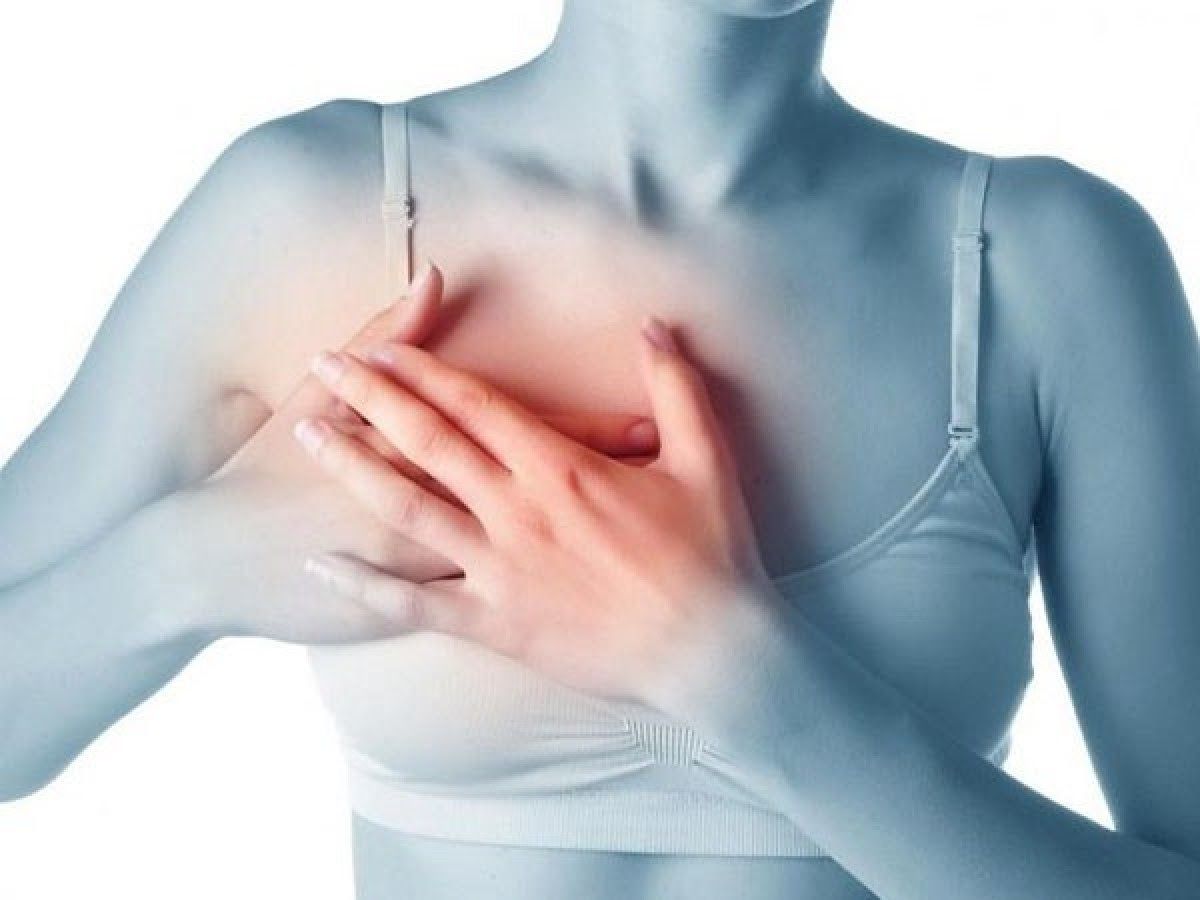
1. A New Lump in the Breast or Underarm
One of the most well-known symptoms is the appearance of a new lump.
The lump may:
- Feel hard or firm
- Have irregular edges
- Be painless
- Sometimes be tender
Not all breast lumps are cancerous, but any new lump that does not go away should be examined by a healthcare provider.
Some cancers are first detected in lymph nodes located in the underarm area, making underarm lumps an important symptom to notice.
Why Regular Self-Awareness Matters
Knowing how your breasts normally look and feel can make it easier to recognize unusual changes.
Many experts now encourage breast self-awareness rather than strict self-examination routines.
2. Changes in Breast Size or Shape
Breasts naturally vary in size and appearance.
However, sudden or unexplained changes may warrant attention.
Potential signs include:
- One breast becoming noticeably larger
- Changes in contour
- Distortion of normal shape
- Visible asymmetry that develops suddenly
These changes may occur gradually or relatively quickly.
When Should You Pay Attention?
Any persistent change that cannot be explained by normal hormonal fluctuations should be discussed with a healthcare professional.
3. Skin Dimpling or Puckering
Some breast cancers can affect the tissues beneath the skin.
This may create:
- Small dimples
- Puckering
- Indentations
The appearance is sometimes compared to the texture of an orange peel.
Skin changes can occasionally be among the earliest visible signs of an underlying problem.
What Causes This Appearance?
Changes in breast tissue may pull on surrounding structures, creating visible alterations in the skin's surface.
4. Nipple Changes
The nipple can sometimes undergo noticeable changes.
Possible symptoms include:
- Inversion of a previously outward nipple
- Flattening
- Changes in position
- Distortion of shape
A nipple that suddenly turns inward when it previously pointed outward deserves medical evaluation.
Not all nipple inversion is abnormal, particularly if it has been present for many years.
The concern arises when the change is new.
5. Unusual Nipple Discharge
Nipple discharge is not always a sign of cancer.
However, certain types may require investigation.
Particular attention should be paid to discharge that is:
- Bloody
- Clear
- Occurring without squeezing
- Present in only one breast
Many non-cancerous conditions can also cause discharge, but evaluation is important.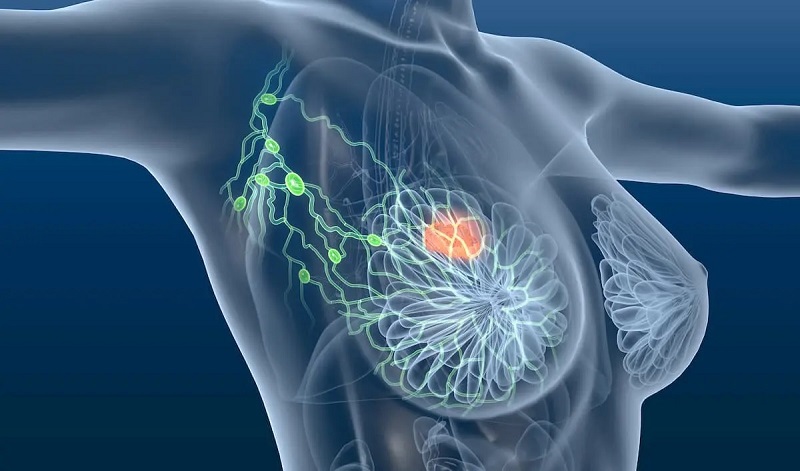
6. Persistent Breast Pain
Breast pain is common and is often unrelated to cancer.
Many women experience discomfort associated with:
- Menstrual cycles
- Hormonal changes
- Benign breast conditions
However, persistent pain localized to one area should not be ignored.
Especially if accompanied by:
- A lump
- Skin changes
- Other unusual symptoms
7. Redness or Thickening of the Skin
Some forms of breast cancer can cause inflammatory changes.
Potential signs include:
- Redness
- Swelling
- Warmth
- Thickened skin
These symptoms may resemble infection.
One rare but serious form known as inflammatory breast cancer can present with these features.
Because these symptoms can be mistaken for less serious conditions, prompt medical evaluation is important.
8. Swelling in Part or All of the Breast
Swelling may occur even when a distinct lump cannot be felt.
Possible signs include:
- Enlargement of the breast
- Heaviness
- Fullness
- Persistent swelling
This symptom may affect only a portion of the breast or the entire breast.
9. Changes in the Appearance of Breast Skin
Beyond dimpling, other skin changes may occur.
Examples include:
- Scaliness
- Flaking
- Thickening
- Persistent irritation
These changes may sometimes involve the nipple area as well.
A persistent rash that does not improve should be evaluated.
10. Enlarged Lymph Nodes
The lymphatic system plays an important role in immune function.
Breast cancer can sometimes spread to nearby lymph nodes before a breast lump becomes noticeable.
Possible symptoms include:
- Swelling under the arm
- Swelling near the collarbone
- Persistent enlarged lymph nodes
These symptoms may have many causes, but they should not be ignored.
Factors That May Influence Breast Cancer Risk
Although anyone can develop breast cancer, certain factors may increase risk.
These include:
- Increasing age
- Family history
- Genetic mutations
- Hormonal influences
- Obesity
- Physical inactivity
- Alcohol consumption
Having risk factors does not guarantee cancer will occur.
Likewise, many people diagnosed with breast cancer have no obvious risk factors.
Why Early Detection Is So Important
When breast cancer is detected earlier, treatment options may include:
- Less extensive surgery
- More targeted therapies
- Improved management strategies
This is why awareness and routine screening remain important public health tools.
Recommended Screening
Screening recommendations vary depending on:
- Age
- Family history
- Personal risk factors
Individuals should discuss appropriate screening schedules with their healthcare providers.
Common Myths About Breast Cancer
Myth: A Lump Is Always Painful
False.
Many cancerous lumps cause no pain at all.
Myth: Only Older Women Get Breast Cancer
False.
Risk increases with age, but younger individuals can also develop breast cancer.
Myth: No Family History Means No Risk
False.
Many breast cancer cases occur in people without a family history.
Myth: Breast Cancer Always Causes a Lump
False.
Some cases first present through skin changes, nipple changes, or other symptoms.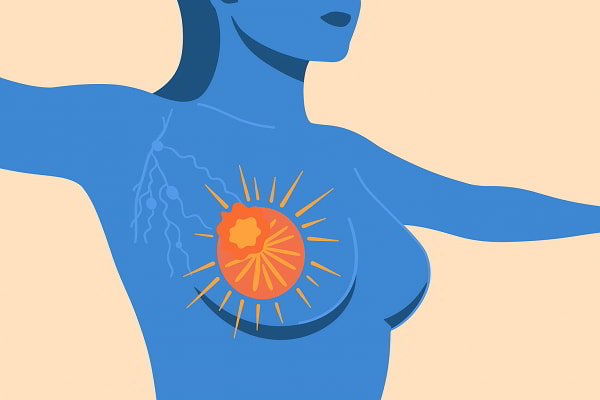
Final Thoughts
Breast cancer can present with a wide variety of symptoms, and not every case begins with a noticeable lump. Being aware of changes such as breast swelling, skin dimpling, nipple changes, unusual discharge, persistent pain, or enlarged lymph nodes can help individuals recognize when medical evaluation may be needed.
Most breast changes are not caused by cancer, but it is always better to have unusual symptoms assessed rather than ignored. Early detection remains one of the most powerful tools in breast cancer care, making awareness, routine screening, and prompt medical attention essential components of maintaining breast health.