It may seem like a small household detail, but many people have strong opinions about whether the bathroom door should be left open or closed when the room is not in use. Some prefer keeping it shut for privacy and aesthetics, while others believe leaving it open improves ventilation and helps prevent moisture buildup.
So which approach is actually better?
The answer depends on several factors, including your home's ventilation system, humidity levels, household habits, and even whether you have pets or young children. Understanding the advantages and disadvantages of each option can help you make the best choice for your situation.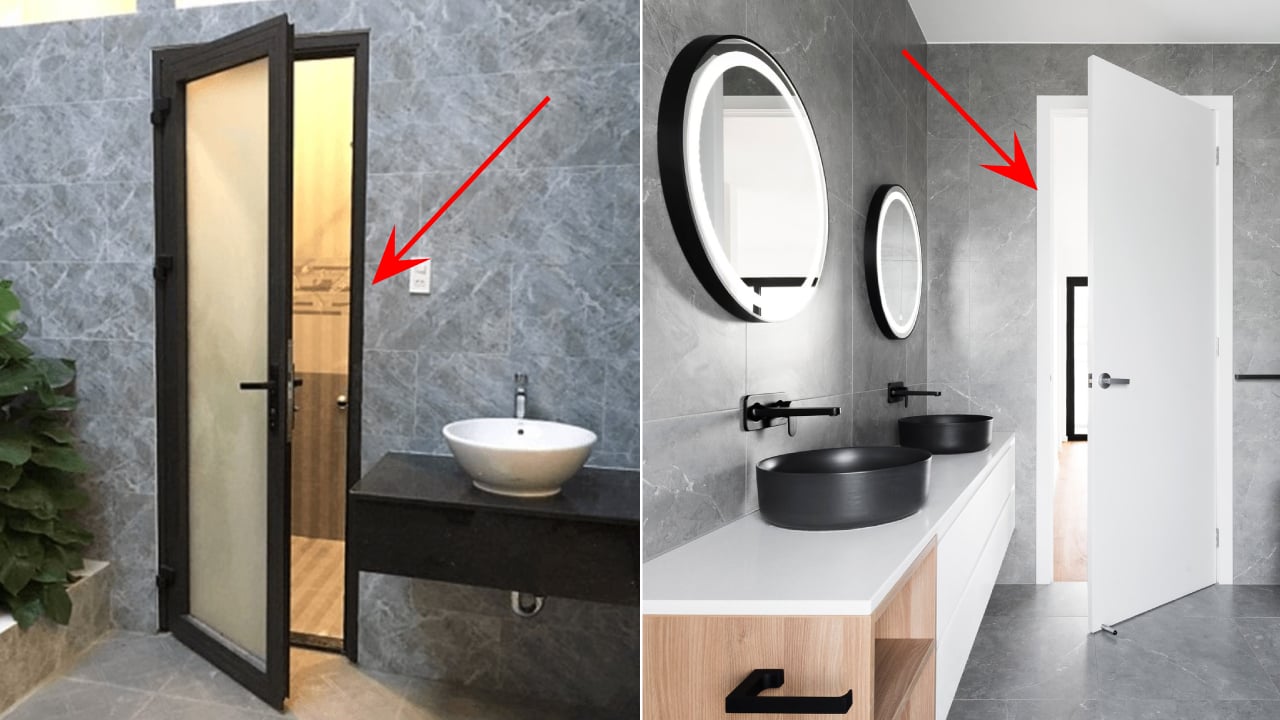
Why Bathroom Ventilation Matters
Bathrooms are among the most humid rooms in a home.
Every time someone:
- Takes a shower
- Uses hot water
- Washes hands
- Dries wet towels
moisture is released into the air.
Without proper ventilation, that moisture can accumulate and contribute to:
- Condensation
- Musty odors
- Mold growth
- Mildew formation
- Damage to paint and surfaces
This is why airflow plays such an important role in bathroom maintenance.
The Case for Leaving the Bathroom Door Open
Many experts recommend leaving the bathroom door partially or fully open after use, particularly after showers.
Improved Air Circulation
Opening the door allows moist air to escape more easily.
This can help:
- Reduce humidity
- Speed up drying
- Improve airflow
Bathrooms that lack windows especially benefit from additional ventilation.
Faster Drying of Surfaces
When air circulates freely, moisture evaporates more quickly from:
- Floors
- Walls
- Mirrors
- Shower curtains
- Towels
The less time surfaces remain damp, the lower the likelihood of mold growth.
Reduced Musty Odors
Poorly ventilated bathrooms often develop unpleasant smells.
Allowing fresh air to circulate may help minimize:
- Stale air
- Lingering odors
- Humidity-related smells
Many homeowners notice that bathrooms feel fresher when airflow is improved.
The Case for Keeping the Bathroom Door Closed
Although ventilation is important, there are also valid reasons why some people prefer keeping the bathroom door closed.
Privacy and Appearance
Many people simply prefer not to have the bathroom visible from hallways or living spaces.
A closed door can:
- Improve aesthetics
- Maintain privacy
- Reduce visual clutter
This is particularly common in smaller homes or apartments.
Preventing Odors From Spreading
If the bathroom has adequate ventilation through an exhaust fan or window, keeping the door closed may help contain odors rather than allowing them to circulate throughout the house.
Safety Concerns
Households with young children or pets may prefer keeping bathroom doors closed.
This can help prevent access to:
- Cleaning products
- Toilets
- Medications
- Electrical devices
In these situations, safety often outweighs ventilation concerns.
The Role of Exhaust Fans
Modern bathrooms often rely on exhaust fans rather than open doors alone.
An exhaust fan works by:
- Removing humid air
- Reducing condensation
- Improving indoor air quality
For maximum effectiveness, many experts recommend running the fan during and after showers.
Some suggest continuing operation for:
- 15 to 30 minutes after bathing
This helps remove lingering moisture.
What About Bathrooms Without Windows?
Bathrooms without windows require special attention.
In these spaces, humidity can become trapped more easily.
Leaving the door open after use may provide significant benefits.
Additional strategies include:
- Running an exhaust fan
- Using a dehumidifier
- Hanging towels to dry elsewhere
- Wiping down wet surfaces
These habits help reduce excess moisture.
Mold: The Hidden Problem
One of the strongest arguments for improving bathroom ventilation is mold prevention.
Mold thrives in environments that are:
- Warm
- Damp
- Poorly ventilated
Bathrooms naturally provide all three conditions.
Common locations for mold growth include:
- Tile grout
- Ceiling corners
- Shower curtains
- Window frames
- Behind cabinets
Once mold becomes established, removal can be difficult and costly.
Reducing humidity remains one of the best prevention strategies.
Signs Your Bathroom Needs Better Ventilation
Watch for these warning signs:
- Persistent condensation on mirrors
- Fogged windows long after showers
- Peeling paint
- Musty smells
- Visible mold spots
- Damp walls
If these symptoms are present, increasing airflow may help.
The Impact on Indoor Air Quality
Indoor air quality is affected by many factors.
Bathrooms can contribute to:
- Humidity levels
- Airborne particles
- Odors
Good ventilation helps maintain a healthier indoor environment.
When moisture remains trapped, it can encourage the growth of:
- Mold
- Mildew
- Bacteria
Reducing humidity helps create less favorable conditions for these organisms.
Special Considerations for Pet Owners
Many pet owners leave bathroom doors open so pets can access water or favorite resting spots.
However, this can create risks.
Pets may:
- Drink toilet water
- Access chemicals
- Chew personal care products
In households with animals, bathroom safety should be considered alongside ventilation needs.
What About Energy Efficiency?
Some homeowners worry that leaving bathroom doors open may affect heating or cooling efficiency.
In most cases, the impact is minimal.
However, during extreme weather conditions, some people prefer keeping doors closed after humidity has dissipated.
This helps maintain temperature control throughout the home.
Common Myths About Bathroom Doors
Myth: Keeping the Door Closed Always Prevents Mold
False.
Without proper ventilation, moisture can remain trapped and actually increase mold risk.
Myth: Leaving the Door Open Is Enough
Not always.
Bathrooms with heavy moisture loads may still require fans or dehumidifiers.
Myth: Mold Only Appears in Dirty Bathrooms
False.
Even very clean bathrooms can develop mold if humidity remains high.
Myth: Exhaust Fans Eliminate the Need for Any Other Ventilation
Not necessarily.
Opening the door can often enhance airflow and drying.
So, What's the Best Choice?
For most households, the ideal approach is:
- Run the exhaust fan during and after showers.
- Leave the bathroom door open for a period afterward to allow moisture to escape.
- Close the door later if preferred for privacy, safety, or appearance.
This balanced strategy combines ventilation with practicality.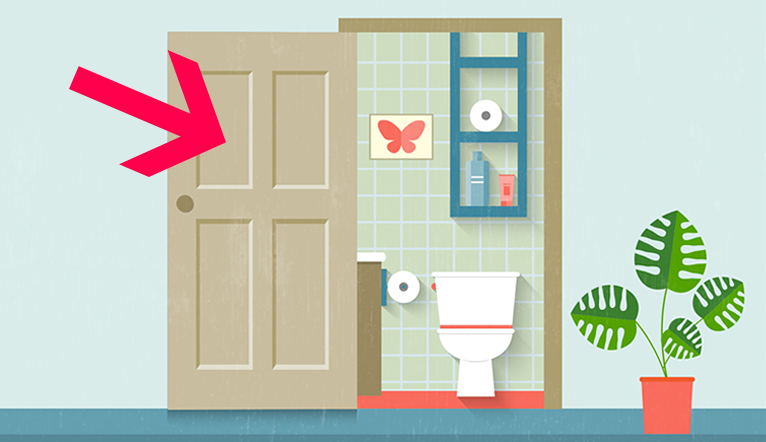
Final Thoughts
Whether the bathroom door should remain open or closed depends largely on ventilation and household needs. In many cases, leaving the door open after use can help reduce humidity, prevent mold growth, and improve air circulation. However, privacy, safety, and aesthetics may make a closed door preferable at other times.
The most important goal is not the position of the door itself, but ensuring that moisture is effectively removed from the bathroom. With proper ventilation, regular cleaning, and attention to humidity levels, you can maintain a fresher, healthier bathroom regardless of whether the door is open or closed.