Chapter 1: The Warning Signs You May Be Ignoring Every Day
Most people do not think about their lungs until something makes breathing uncomfortable. They wake up, go to work, drink coffee, walk through traffic, spend hours indoors, and return home without giving a second thought to the thousands of breaths their bodies take throughout the day. Breathing feels automatic, so it rarely receives the attention it deserves.
But the lungs are among the most hardworking organs in the human body. Every breath brings oxygen into the bloodstream, allowing the heart, brain, muscles, and other organs to function. At the same time, the lungs help remove carbon dioxide, a waste product produced by the body. When the respiratory system is exposed to harmful substances repeatedly over many years, however, the delicate tissues responsible for this process may begin to experience damage.
Lung cancer is one of the diseases that makes this damage particularly concerning. It can develop silently, and some people may not notice obvious symptoms until the disease has progressed. This is one reason why prevention, awareness, and early detection matter so much.
The frightening reality is that many everyday exposures are easy to overlook. Cigarette smoke is the most recognized risk factor, but it is not the only one. Air pollution, secondhand smoke, certain workplace chemicals, radon exposure, and other environmental factors may also contribute to lung cancer risk. A person who has never smoked can still develop lung cancer, which means protecting the lungs should not be considered a concern exclusively for smokers.
The good news is that everyday choices can make a meaningful difference in respiratory health. While no habit can guarantee that someone will never develop lung cancer, healthier routines can reduce exposure to certain harmful substances, support the body's natural functions, and improve overall well-being.
Imagine your lungs as a filter that works continuously. Unlike a household filter that can simply be replaced when it becomes dirty, your lungs must operate for decades. Every day, they encounter particles, gases, microorganisms, and environmental irritants. Some of these exposures are unavoidable, but others can be reduced through practical decisions.
For example, walking away from cigarette smoke, choosing a less polluted route when exercising outdoors, improving indoor ventilation, and paying attention to workplace safety may all help reduce unnecessary respiratory exposure.
Another important issue is the tendency to dismiss persistent symptoms. A cough that lasts for weeks, unexplained shortness of breath, chest discomfort, coughing up blood, repeated respiratory infections, or unexpected weight loss should not automatically be attributed to aging, stress, or a seasonal illness. These symptoms can have many causes, including conditions that are not cancer, but persistent or unusual changes deserve medical evaluation.
Prevention also involves understanding your personal risk. Family history, age, smoking history, occupational exposures, and previous medical conditions can influence the decisions you should make about screening and preventive care. Some individuals who meet specific risk criteria may benefit from low-dose CT screening for lung cancer. Screening is different from simply taking an X-ray when symptoms appear, and eligibility should be discussed with a healthcare professional.
The most important lesson is that lung health is not determined by a single dramatic decision. It is influenced by repeated choices that may seem small when viewed individually.
And among those choices, one habit stands above nearly every other daily action when it comes to reducing lung cancer risk. It is a habit that millions of people struggle with, often because its effects are not immediately visible.
That habit is the first one worth changing.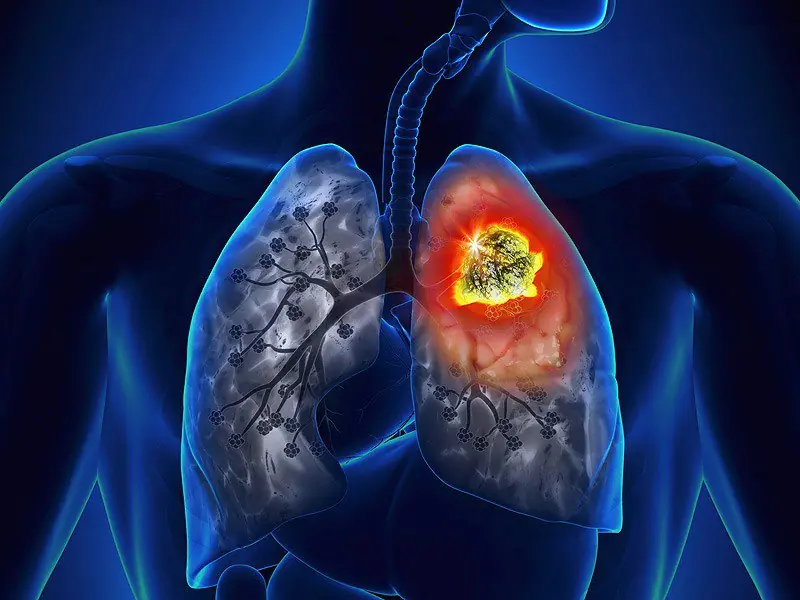
Chapter 2: Habit No. 1 — Stay Away From Tobacco Smoke and Make Quitting a Priority
If there is one daily habit that deserves the greatest attention when discussing lung cancer prevention, it is avoiding tobacco smoke.
Cigarette smoke contains thousands of chemicals, including numerous substances known to cause cancer. When smoke enters the lungs, these chemicals can damage cells and affect the DNA that controls how cells grow and divide. Over time, repeated damage can increase the likelihood that cells begin growing in an abnormal and uncontrolled way.
This process does not happen overnight. It may take years of exposure before significant changes develop, which is one reason smoking can feel deceptively harmless in the early stages. Someone may smoke for years without experiencing obvious breathing problems and assume their body is tolerating it well.
But the absence of symptoms does not mean the lungs are unaffected.