Chapter 6: Habit No. 5 — Prioritize Sleep, Know Your Symptoms, and Don't Ignore Screening
Sleep is often treated as a luxury, especially by people who work long hours, care for families, or spend evenings scrolling through their phones. But adequate sleep is an important part of maintaining overall health.
During sleep, the body performs many processes involved in recovery, regulation, and normal functioning. Consistently insufficient sleep can affect mood, concentration, metabolic health, and immune function. Although sleep alone cannot prevent lung cancer, maintaining a healthy sleep routine supports the broader lifestyle that helps protect long-term health.
A practical starting point is to establish a consistent bedtime and wake-up time. Keeping the bedroom comfortable, reducing bright screens before bed, avoiding excessive caffeine late in the day, and creating a relaxing evening routine may help improve sleep quality.
However, sleep is only one part of this final habit. The other part is knowing when to seek medical attention.
Lung cancer can be difficult to recognize early because symptoms may be subtle or absent. When symptoms do occur, they may resemble those of many other conditions. A persistent cough, coughing up blood, chest pain, shortness of breath, unexplained weight loss, hoarseness, or repeated respiratory infections should not be ignored.
Not every cough means cancer. In fact, many persistent coughs are caused by infections, allergies, asthma, reflux, or other conditions. But if a symptom lasts longer than expected, becomes progressively worse, or appears alongside other unusual changes, medical evaluation is important.
Coughing up blood requires prompt medical attention.
The same principle applies to unexplained changes in breathing. Someone who suddenly becomes breathless during activities that were previously easy should not assume the change is simply due to aging or lack of fitness. There may be a number of possible causes, and a healthcare professional can determine what evaluation is appropriate.
Screening is another important consideration.
Lung cancer screening with low-dose computed tomography, or low-dose CT, may be recommended for certain people who have a higher risk of lung cancer. Screening eligibility depends on factors such as age and smoking history, as well as current medical guidelines in the person's country or healthcare system.
Screening is intended for people who meet specific criteria and do not necessarily have symptoms. It is not the same as undergoing diagnostic testing because someone is already experiencing concerning symptoms.
For people who qualify, screening may help detect lung cancer at an earlier stage, when treatment options may be more effective. However, screening also has potential disadvantages, including false-positive findings, additional testing, radiation exposure, and anxiety. This is why the decision should be made through an informed discussion with a healthcare professional.
Family history and occupational exposure may also be relevant when discussing personal risk. If you have worked around asbestos, silica, certain industrial chemicals, or other known lung carcinogens, tell your healthcare provider. The details of your exposure may help determine whether additional evaluation is appropriate.
The most important thing is to avoid waiting for a dramatic warning sign.
Health protection is often a combination of prevention and attention. Avoiding tobacco, reducing pollution exposure, staying physically active, eating a balanced diet, maintaining healthy sleep habits, and seeking medical care when symptoms appear all contribute to a more informed approach to respiratory health.
No one can control every risk factor. Genetics, environmental conditions, and circumstances beyond personal control may influence health. But many people can still take meaningful steps to reduce avoidable risks.
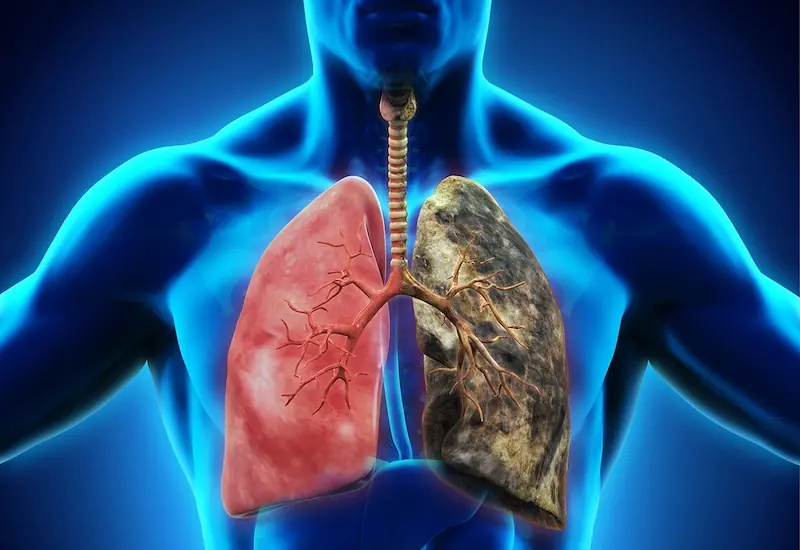
The lungs work every second of every day, quietly supporting the rest of the body. They deserve the same attention that people give to their heart, skin, weight, and appearance.
A healthier routine does not need to begin with a dramatic transformation. It can begin with one decision today: stepping away from smoke, taking a walk, improving the air inside your home, choosing a balanced meal, or making an appointment to discuss a symptom you have been ignoring.
The small habits you repeat are often the ones that shape your future.
And when it comes to lung health, the most powerful step may not be a complicated treatment or an expensive supplement. It may simply be choosing, day after day, to give your lungs a healthier environment in which to do their extraordinary work.
Your lungs cannot tell you when every harmful exposure begins but your daily choices can help protect them long before a warning sign appears.